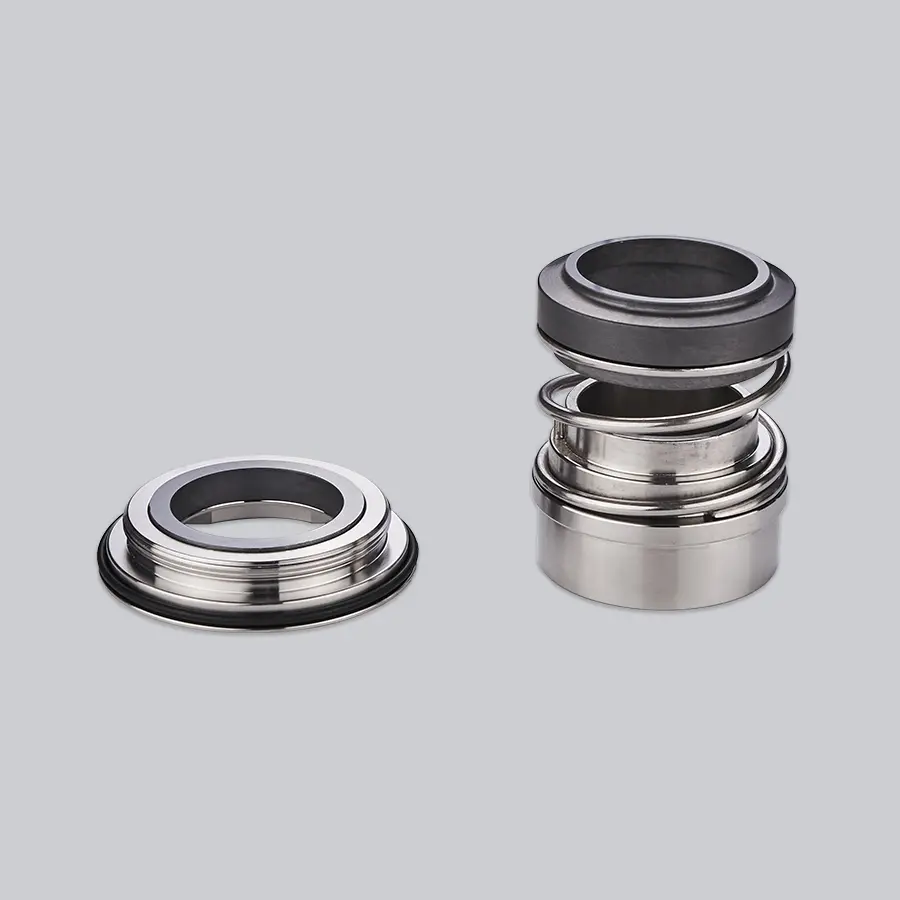
Mechanical seals are important because they stop leaks in pumps and machines that spin. Mechanical seals can leak for many reasons. Some reasons are bad installation, worn parts, not enough oil, running dry, the shaft not lined up, too tight, broken seals, and tough working conditions. Most seal failures happen because of bad installation, running dry, or the shaft not lined up. Knowing these reasons helps workers plan maintenance and use tools to watch the equipment. Victor’s skill and good mechanical seals help machines work well and lower the chance of leaks.
Key Takeaways
- Mechanical seals leak mostly because of poor installation, wearing out, running without enough liquid, picking the wrong seal, and hard work conditions.
- Regular checks by looking and using tools help find leaks early and stop bigger machine troubles.
- Putting in seals the right way with good alignment, cleaning, and oiling helps stop leaks a lot.
- Picking the best seal for the job and taking care of it on time makes machines last longer and stay safe.
- Using trusted seals like Victor’s makes seals last longer and lowers leaks in tough jobs.
Causes of Mechanical Seal Leak
Improper Installation of Mechanical Seals
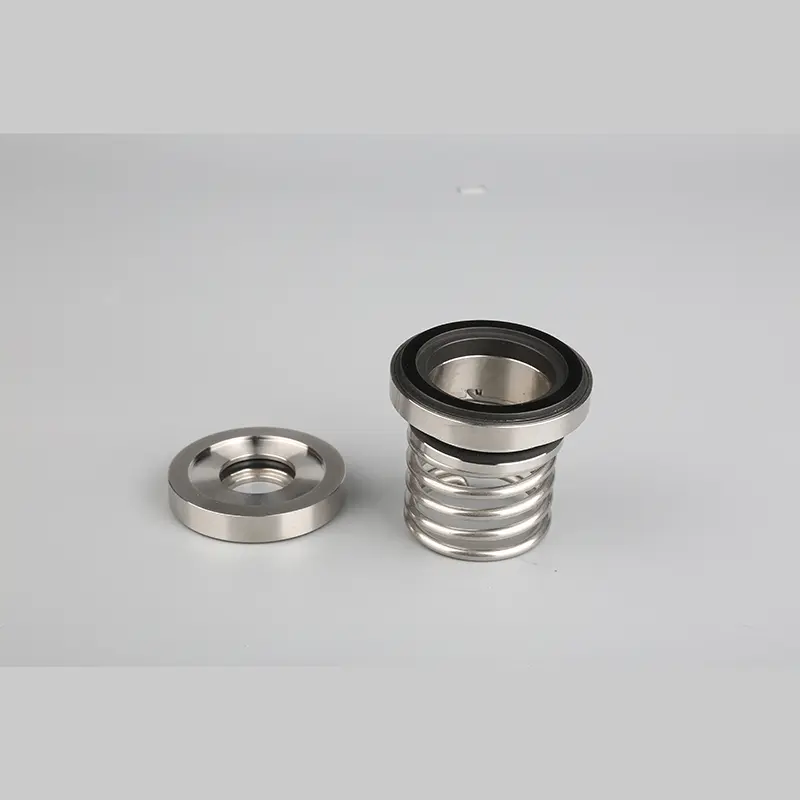
Improper installation is one of the main causes of mechanical seal leakage. Workers may not use the correct torque or misalign the seal. These errors can cause leaks shortly after machine startup. Studies have shown that careful assembly and alignment help extend the lifespan of the seal.
If the shaft moves more than 0.05 mm TIR, or if the surface is rough, leaks can happen. Handling the seal carelessly during fitting also causes leaks. Seals put in by pump makers usually last longer than those put in at the job site. Victor’s mechanical seals fit right in, so they are easier to install and less likely to be put in wrong.
Mechanical Seal Wear
Over time, mechanical seals will leak due to wear. Friction, high temperatures, cracks, and corrosion all contribute to seal wear. High temperatures, high pressures, and certain types of fluids accelerate seal wear. Studies have shown that tiny leakage channels on the sealing face are the primary cause of leakage. The table below compares new and old seals:
| Condition | Rku Value | Leakage Flow Rate (mL/h) | Remarks |
|---|---|---|---|
| New Seal | 6.5860 | Minimal leakage | Stable performance under all conditions |
| Worn Seal (3000 rpm) | 13.7611 | Unstable leakage | Leakage flow unstable below 3000 rpm |
| Worn Seal (4000 rpm, >5 bars) | N/A | Increased significantly | Transition in leakage mechanisms observed |
Heat, cracks, and rust all help cause seal problems. Checking and fixing seals often helps find problems early.
Poor Lubrication and Dry Running of Mechanical Seals
Poor lubrication and dry running often lead to seal leaks. Insufficient lubrication of the seal face increases friction and generates more heat. Metal parts are more likely to come into contact with each other and wear out quickly. Dry running can cause the seal face to burn, melt, or crack. If the temperature is too high, the seal may fail in less than a minute. Damage caused by dry running can be identified by white marks on the seal face. Victor seals are designed to withstand dry running and poor lubrication, resulting in a lower failure rate.
Incorrect Seal Selection
Picking the wrong seal can make it leak if it does not match the job. People sometimes choose seals just by size and forget about pressure, heat, or fluid type. The table below shows what affects how well a seal works:
| Factor | Description |
|---|---|
| Softness of the seal material | Measured in Shore hardness, affects compression and sealing effectiveness. |
| Compression force | Influenced by the distance between screw bosses, critical for effective sealing. |
| Flexibility/thickness of substrate | Affects how the substrate bends under force, impacting compression force. |
Victor has many types of seals, so you can pick the right one for each job and avoid leaks from using the wrong seal.
Harsh Operating Conditions
Tough working conditions make seals more likely to leak. Pumps that run too hard can shake and hurt the seal. Changes in heat, pressure, or fluid thickness stress the pump and seal. The table below shows how different jobs have tough conditions:
| Industry | Harsh Operating Condition(s) | Effect on Seal Integrity |
|---|---|---|
| Oil and Gas | High-pressure operations, exposure to sour gases (H2S) | Hydrogen embrittlement of metal bellows; explosive decompression of elastomers |
| Food and Beverage | Caustic Clean-in-Place (CIP) treatments, high temperature steam | Material degradation; risk of bacterial growth on seals |
| Chemical Processing | Handling toxic/volatile media with dual-pressurized seals | Need for complete containment; primary leakage risk mitigated by buffer fluid |
| Water and Wastewater | Abrasive slurries and suspended grit | Rapid erosive wear at primary seal interface |
| Power Generation | Extreme thermal cycling, high velocity steam | Thermal fatigue; physical distortion of rotating assemblies |
Dust and Debris
Dust and debris can scratch the surface of seals, leading to leaks. Dust can originate from the seal manufacturing process, air, normal use, or even from operators. Choosing appropriate seals, keeping them clean, and regularly inspecting them helps prevent dust-related leaks. Victor inspects each seal before shipping to ensure it is free of dust and damage.
Shaft Misalignment & Overtightening
If the shaft is not lined up or is too tight, the seal can leak. Misalignment wears the seal unevenly and lets fluid get through. Too much tightening changes the pressure on the seal faces and can make them wear out or not seal right. Even small mistakes in putting the seal in can cause misalignment. If the shaft shakes or moves too much, it can break the seal or knock parts loose. Victor’s seals fit right and help keep things lined up to stop leaks.
Identifying Mechanical Seal Leak
Visual Signs
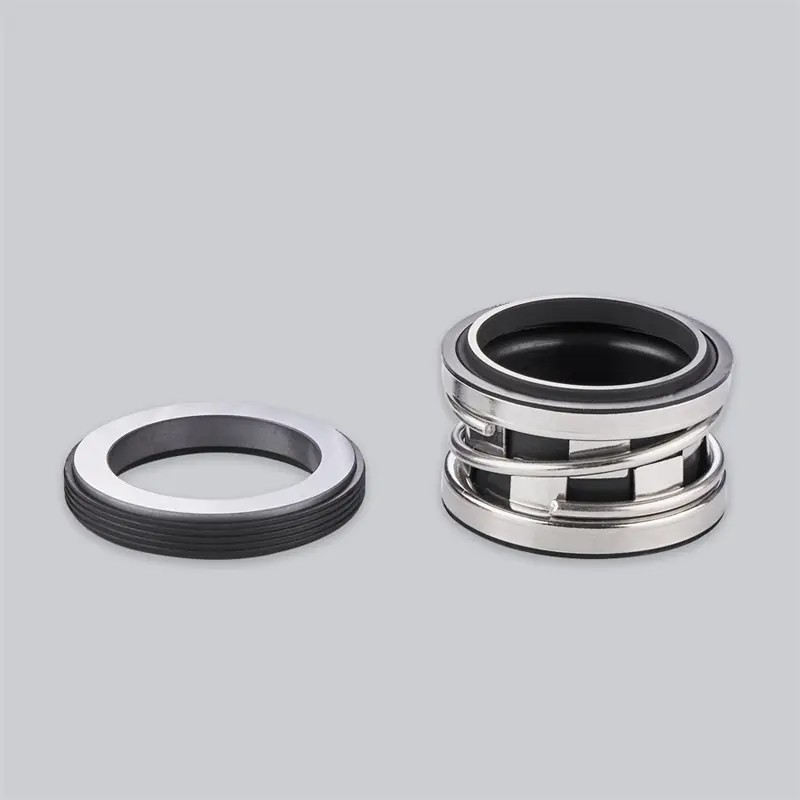
Technicians will first check for signs of leakage. They will examine the vicinity of the mechanical seal for any liquid or residue. This indicates that the mechanical seal may be leaking. Regular visual inspections help staff detect problems early. Many teams use endoscopes to inspect hard-to-reach areas. These tools can provide a clear image of the sealing area. Staff can detect mechanical seal leaks by observing the location of the seal and the condition of any residue.
Note: Regular visual checks help find leaks and other problems early. Teams should check seals during planned maintenance when machines are off. This helps fix leaks quickly and keeps machines working longer.
- Fluid or residue near the seal
- Stains or wet spots on the pump housing
- Strange buildup or corrosion around the seal area
Performance Symptoms
Performance symptoms can provide further clues about leaks. When a mechanical seal begins to leak, the machine’s operating conditions may change. Vibration will intensify, the temperature in the sealing area will rise, pressure will fluctuate, and shaft movement may become abnormal. These signs indicate the need for further inspection.
The team will use various tools to help locate the leak. Vibration analysis can identify vibration patterns that indicate seal problems. Thermal imaging can reveal hotspots that may indicate a leak. Monitoring systems can alert the team when temperatures or pressures are too high or too low. This helps the team quickly repair leaks and prevent larger problems from developing.
- More vibration while running
- Higher temperatures near the seal
- Pressure changes in the system
- Odd shaft movement
Tip: Keeping records of normal machine data helps teams notice changes fast. Using vibration and thermal checks makes finding leaks easier and quicker.
Preventing Mechanical Seal Leak
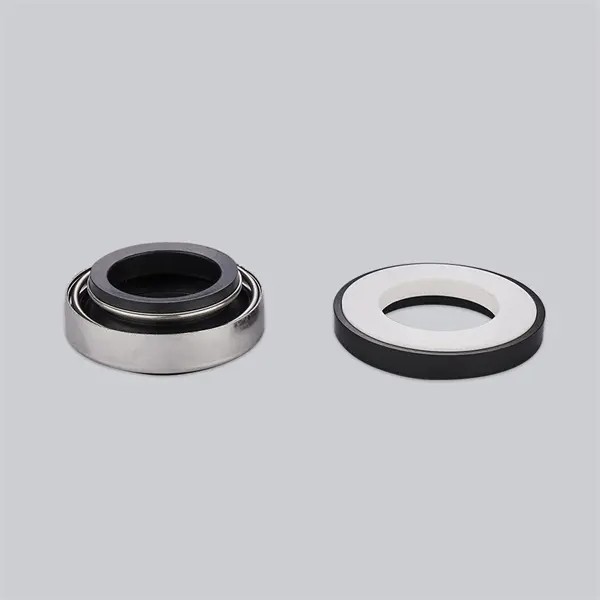
Correct Seal Selection
Picking the right seal helps stop leaks. Teams must check the fluid, temperature, and pressure in the system. The table below shows what to look at when choosing a seal:
| Criteria | Description |
|---|---|
| Process Fluid Properties | Look for corrosion, grit, or thick fluids. |
| Temperature | Make sure the seal can take the heat or cold. |
| Pressure | Pick a seal that matches the system pressure. |
| Seal Configuration | Use single seals for safe fluids, dual seals for dangerous ones. |
| Material Selection | Match seal materials to the fluid for long life. |
| Installation & Maintenance | Cartridge seals are easier to put in and care for. |
| Safety Considerations | Dual seals protect against leaks in dangerous systems. |
Victor has many types of mechanical seals for different jobs. Their direct-fit and CTB-tested seals help teams avoid mistakes and keep machines safe.
Installation Best Practices
Proper installation of seals helps prevent leaks. Workers must always follow the manufacturer’s instructions. They should clean all parts and inspect mechanical seals for damage. Using appropriate tools helps align parts and tighten bolts evenly. Lubricating the shaft protects the seals and reduces friction. The work area must be kept clean during installation. Victor’s direct-mount seals allow workers to install them more easily and quickly.
Best practices for proper installation:
- Follow each step in the guide.
- Clean parts and look for damage.
- Line up the pump and shaft.
- Use the right lubricant on the shaft.
- Tighten bolts evenly and check the torque.
Good installation stops misalignment and early wear. Training workers in these steps helps seals last longer.
Maintenance & Inspection
Checking and caring for seals keeps them working well. Teams should look for leaks, shaking, and heat near the seal. They need to watch lubrication and check for dirt or damage. Tools like vibration checks and temperature sensors help find problems early. These checks can stop a mechanical seal leak from getting worse. Victor’s CTB-tested seals work well with these checks and last longer in hard jobs.
Maintenance tips:
- Check alignment and vibration often.
- Watch temperature and pressure near the seal.
- Keep the seal area clean and oiled.
- Change seals on a set schedule.
“Seal failure is often a symptom of an underlying problem within the pump.” – Bob Goodenberger, John Crane
FAQ
What are the first steps in mechanical seal troubleshooting?
Technicians should look for leaks near the seal. They should listen for odd noises and feel if the area is hot. They also need to check recent maintenance records. These steps help start finding the problem and show what to do next.
How often should teams inspect mechanical seals?
Teams should check mechanical seals at every planned maintenance. They also need to look at seals after any changes or if the machine acts strange. Checking seals often helps find problems early and makes fixing them easier.
Can leak troubleshooting prevent major equipment failures?
Yes. Finding leaks early helps stop bigger problems. Early checks can keep machines from breaking and save time. Teams spend less money and keep machines working longer.
What tools help with seal troubleshooting?
Technicians use vibration sensors, thermal cameras, and borescopes. These tools help find leaks, hot spots, and if things are not lined up. Using these tools makes finding leaks faster and more correct.
Why choose Victor for mechanical seal troubleshooting support?
Victor gives strong seals and expert help for troubleshooting. Their seals pass hard tests and fit many pumps. Teams trust Victor for good leak help and seals that last a long time.