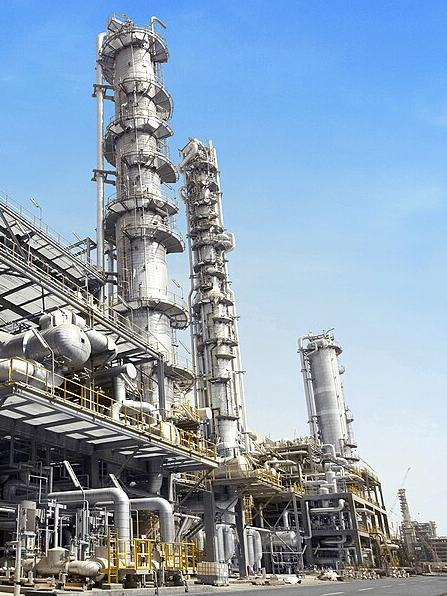
Mechanical seals prevent pump leaks, ensuring system safety. Victor is a trusted company providing mechanical seal solutions for numerous industries, including marine, chemical, and oil and gas. Pumps can experience issues such as contamination and pressure loss. Mechanical seals address these problems by improving pump reliability and reducing the incidence of environmental accidents.
Key Takeaways
- Mechanical seals stop leaks in pumps. This keeps workers and the environment safe.
- They need less care than old packing. This saves time and lowers repair costs.
- Mechanical seals keep pumps safe from bad fluids. This helps pumps last longer and work better.
- Using mechanical seals saves energy. This means lower costs and better pump performance.
The Main Reason for Using Mechanical Seals
Prevent Leakage
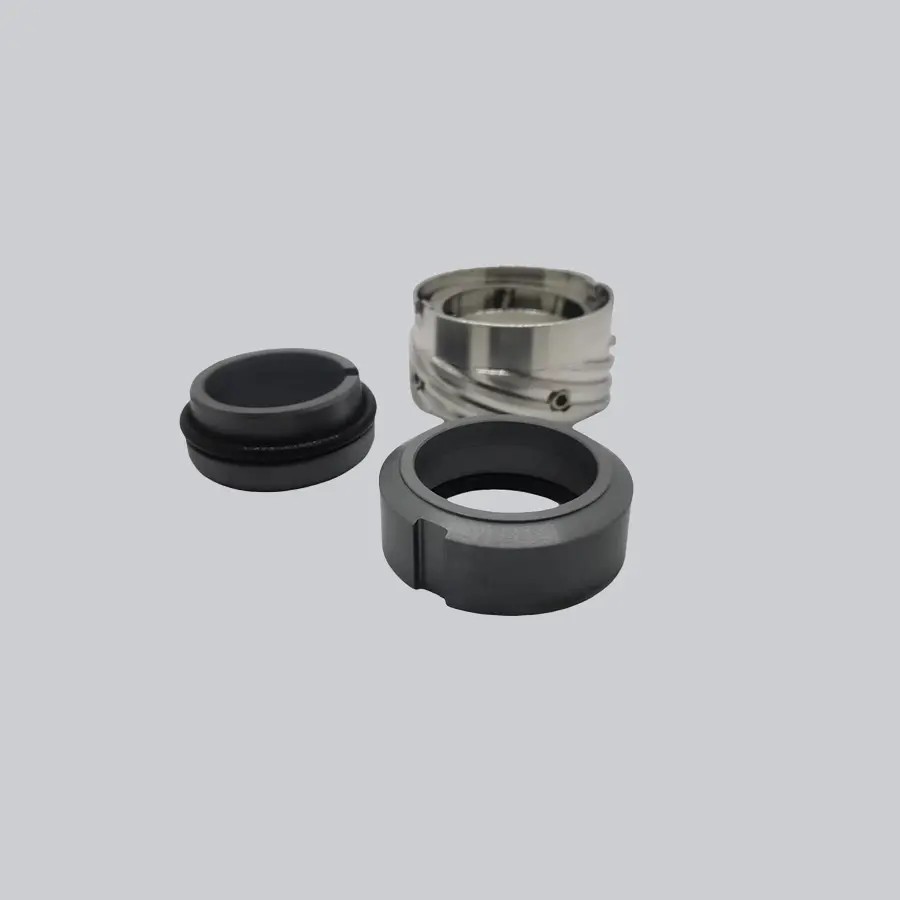
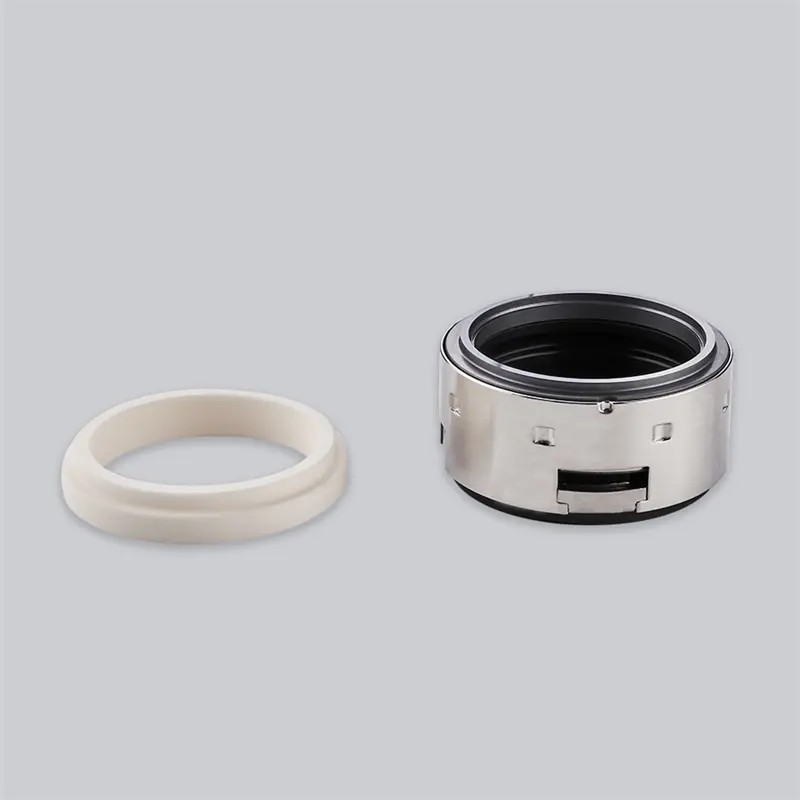
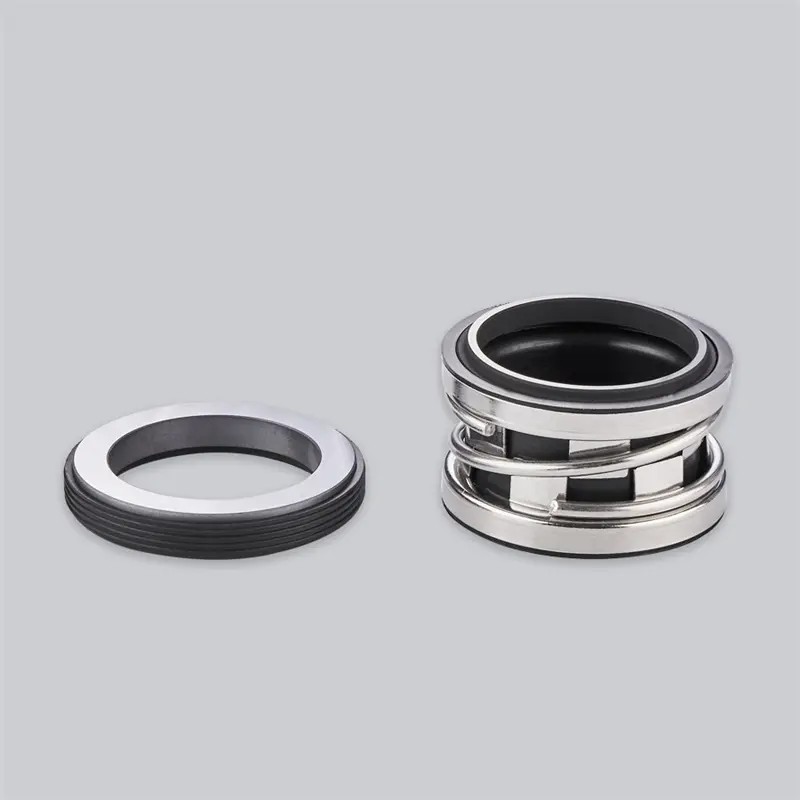
Mechanical seals are important because they stop leaks in pumps. They have two main parts. One part does not move. The other part spins with the shaft. These parts push together tightly, often with a spring. This makes a strong seal. It keeps fluids inside the pump and stops leaks.
The faces are made very smooth, so leaks are hard to see. Mechanical seals work better than old packing, which can let some fluid leak out.
Reduce Maintenance
Mechanical seals make it easier to take care of pumps. They do not need as many fixes or changes as older seals. Old packing needs to be tightened and replaced a lot. This can stop the pump from working. Mechanical seals last longer and need less work. The table below shows how much care each type needs:
| Aspect | Gland Packing | Mechanical Seals |
|---|---|---|
| Maintenance Frequency | Requires frequent adjustments | Less frequent replacements |
| Product Loss | Higher due to leakage | Minimal leakage, reducing losses |
| Water Usage | Continuous flush water needed | Small recirculation flows or closed-loop |
Checking seals often helps them last longer. If seals get too dry or lose their flush, they may need more care. Keeping seals in good shape means you do not have to stop the pump as much.
Protecting the Pump and Extending its Lifespan
Mechanical seals effectively prevent harmful liquids from contacting the internal components of a pump. In harsh environments such as chemical plants, these seals prevent harmful liquids from coming into contact with the pump, thus avoiding wear and rust. Protected pumps have a longer service life. Some companies use special seals with a service life of three years or even longer. Some seals even have a service life of up to ten years. This not only saves costs but also allows the pump to operate efficiently for extended periods.
Improve Energy Efficiency
Mechanical seals help pumps use less energy. They make a thin layer that lets parts slide easily. In one study, a paper mill used a new seal and saw the pump get much cooler. The temperature dropped from 226°F to 116°F. The heat load went down from over 14 kW to just 1.9 kW. This saved energy and made the cooling system easier to take care of. Less friction and better sealing help pumps run better and save money over time.
Benefits of Mechanical Seals
Reliability and Low Maintenance
Mechanical seals reliably help pumps prevent leaks. They are made of robust and durable materials, resistant to wear, and able to withstand strong chemical corrosion. Victor mechanical seals are suitable for a variety of harsh environments and can withstand high temperatures and hazardous fluids. Once installed, they require minimal maintenance. Due to lower water and energy consumption, there are fewer leaks and fewer maintenance needs. While aging packing requires frequent replacement, mechanical seals do not. This means the pump can run for extended periods without downtime, while also reducing maintenance time.
Victor’s mechanical seals help companies spend less money. They do this by lowering repair costs and stopping product loss.
Safety and Environmental Protection
Mechanical seals ensure worker and environmental safety. They prevent hazardous liquids from leaking from pumps, thus avoiding accidents, fires, and pollution. Between 2021 and 2024, more than 800 chemical accidents occurred in the United States. Many of these accidents could have been avoided by using high-quality seals. Mechanical seals also help companies comply with important regulations. The U.S. Clean Air Act and European Commission regulations require companies to use high-quality sealing systems. These regulations limit leakage and improve pump safety. Victor’s seals meet these regulations, helping to protect personnel safety and help companies avoid fines.
Wide Range of Industry Applications
Mechanical seals are used in many different industries. Victor gives seals to oil and gas, chemical plants, paper mills, power plants, drug makers, and water treatment places. Each industry uses mechanical seals to keep pumps safe and working well. The table below shows how different industries use them:
| Industry | Typical Application Scenarios |
|---|---|
| Oil & Gas | Equipment safety and leakage prevention |
| Chemical Processing | Handling corrosive chemicals and volatile compounds |
| Pulp & Paper | Ensuring operational efficiency in paper production |
| Power Generation | Maintaining reliability in energy production systems |
| Pharmaceuticals | Ensuring safety and compliance in drug manufacturing |
| Water & Wastewater Treatment | Preventing leaks in water treatment processes |
Victor’s mechanical seals work in many types of pumps. They can handle seawater, strong chemicals, and very hot places. Certifications like API 6A and NACE MR0175 show they are high quality. These seals help companies have less downtime and keep pumps safe around the rotating shaft.
Mechanical Seal Maintenance
Installation Best Practices
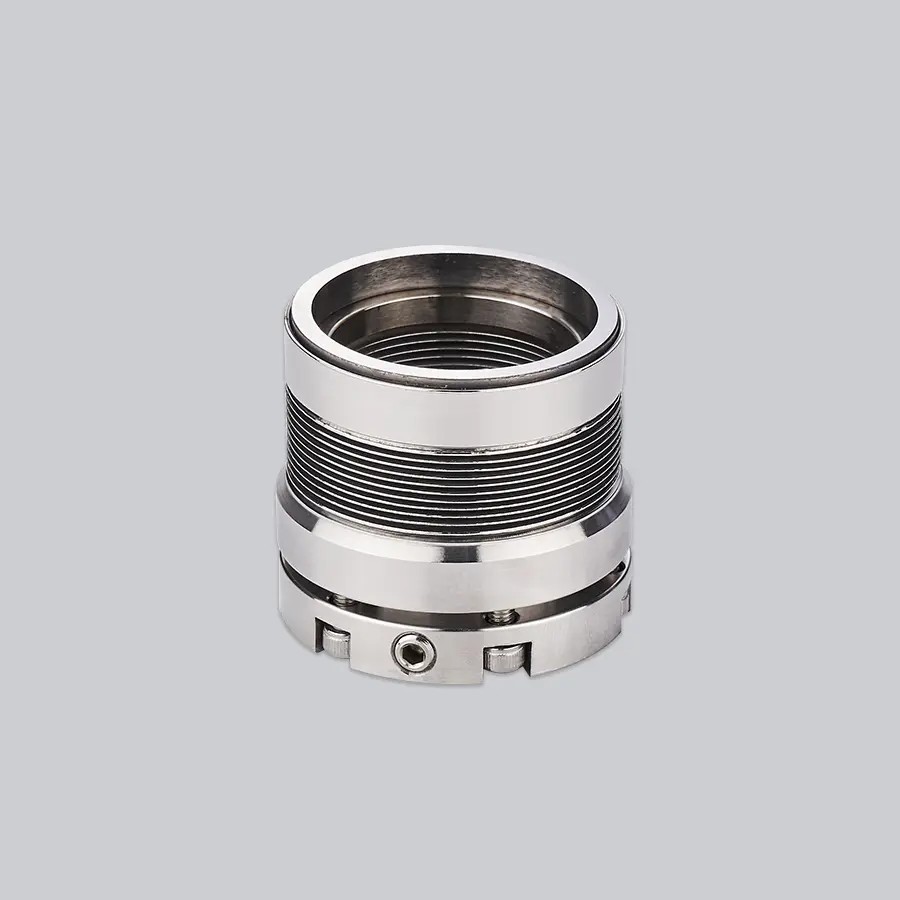
Proper installation helps extend the life of mechanical seals and improve their performance. Technicians must keep the seal faces clean, cool, and moist. They should use a properly pressurized release fluid to protect the seals from damage. Seals must be carefully assembled and correctly aligned to prevent leaks. Never allow the pump to run dry. Dry running will cause the seals to overheat and be damaged. Vibration should be controlled to keep the seals stable, which helps extend their lifespan. Always follow the manufacturer’s instructions. Victor manufactures OEM and standard seals, which helps businesses find the right seals for their pumps and shafts.
Incorrect installation can cause problems. These errors include misaligned seals, scratched seal faces, or dirt entering the seals. Even minor errors can cause premature seal failure. Handling seals carefully and installing them in the correct position helps avoid these problems.
Routine Care and Troubleshooting
Proper maintenance of seals helps them function properly. Technicians should check for leaks, wear, and vibration. Seal damage is often caused by idling, using the wrong elastomer, impure fluid, or excessive temperature. To resolve the issue, check that the seal has sufficient oil or water, ensure the elastomer is properly matched to the fluid, keep the fluid clean, and control the temperature.
Tip: Doing regular checks and fixing problems early helps the seal last longer and keeps the pump running.
FAQ
What is a mechanical seal in a pump?
A mechanical seal stops fluid from leaking out of a pump. It has two smooth surfaces. One surface stays still. The other surface spins with the shaft. These surfaces press together to make a tight seal.
How long do Victor mechanical seals usually last?
Most Victor mechanical seals last from 2 to 5 years. The exact time depends on the pump type and the fluid. It also depends on how well you take care of the seal.
Can mechanical seals handle hot or corrosive fluids?
Yes. Victor makes mechanical seals for hot, cold, or corrosive fluids. The seals use strong materials. These materials do not get damaged by chemicals or high heat.
What are signs that a mechanical seal needs replacement?
| Sign | Description |
|---|---|
| Visible leaks | Fluid shows up near the seal |
| Unusual noise | Pump makes sounds it did not before |
| Higher temperature | Pump feels hotter than normal |
Tip: Check your seal often. This helps you find problems early and keeps your pump safe.