Repeated mechanical seal leakage is one of the costliest headaches for plant operators and maintenance teams. Persistent drips, unexpected downtime, and frequent part replacements usually stem from three core issues: improper installation, unstable operating conditions, and mismatched material selection.
Key Takeaways
- It is very important to install the seal the right way. Always make sure the parts fit together, are clean, and line up. This helps stop leaks after you put in the seal.
- Watch how the seal works every day. Things like shaking, running without liquid, or not lining up can break the seal early. Checking often helps you find these problems fast.
- Seals do not last forever. Small leaks after a long time are normal. Doing regular check-ups can help seals last longer.
- Make sure the flush and cooling systems work well. If there is not enough flow, the seal can get too hot and break. Check these systems often to keep them working.
- Try using better sealing products. Victor’s cartridge seals help stop leaks and work well in hard jobs.
Leakage by Operating Stage of the Mechanical Seal
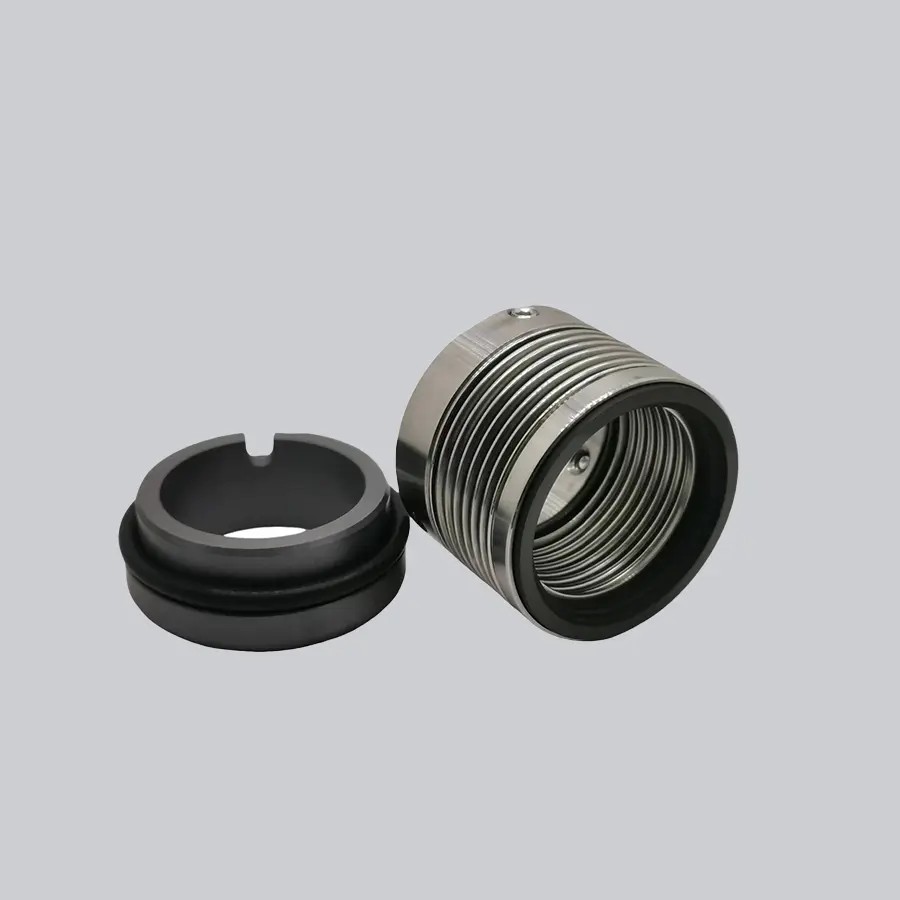
Leakage immediately after mechanical seal installation
Leaks often happen right after putting in a mechanical seal. Workers notice drips or wet spots as soon as the pump starts. This usually means something went wrong during installation. About 32% of early failures come from mistakes when installing. Dust or tiny particles can also hurt the seal. Misalignment is another big problem. These issues cause leaks before the equipment runs for long.
Common causes of immediate leakage:
- Not checking if parts fit or are damaged
- Not cleaning parts, letting dirt get inside
- Not checking if the shaft is straight
- Compressing the seal too much or too little
- Tightening bolts unevenly
- Misaligning seal faces
- Not turning the shaft by hand after installation
- Starting the pump too fast without checking for leaks
Over 70% of centrifugal pump malfunctions relate to mechanical seal issues. Standardized cleaning and precise installation eliminate most initial leaks. Victor’s cartridge seals simplify assembly and greatly reduce human error.
Leakage during initial run (hours to days)
Leaks that show up in the first hours or days often come from process or operation problems. These include vibration, dry running, or running the pump outside its best point. If the pump shakes too much, the seal wears out fast. Dry running means the pump runs without enough fluid, making heat and hurting the seal faces. Not venting the seal can trap air, stopping the seal from working right.
Changes in how the process works also matter. Thicker fluids can stop seal faces from getting enough lubrication. Corrosive fluids can break down seal parts. More particles in the fluid can scratch the seal faces.
Leakage after weeks of stable operation
If a seal runs normally for weeks then leaks suddenly, systemic changes are usually to blame: unsuitable seal models, insufficient cooling/flush flow, aging O-rings, thermal deformation of seal faces, shaft axial movement, or solid particles in flush fluid. Hidden installation errors may also surface after long-term running.
Gradual leakage after long-term service
All mechanical seals have a natural service life. Slow, gradual leaks after months or years are normal wear:
- Scratches and abrasion on sealing surfaces
- Loss of lubrication & surface smoothness
- Structural deformation from repeated movement
- Uneven friction and pressure loss
Regular maintenance and scheduled replacement maximize service life. When slow leakage occurs in long-serving seals, it indicates the end of normal lifespan—timely replacement avoids unexpected shutdowns.
Tip: Regular maintenance and picking the right seal can help seals last longer and work better.
Operational and Maintenance Errors Affecting the Mechanical Seal
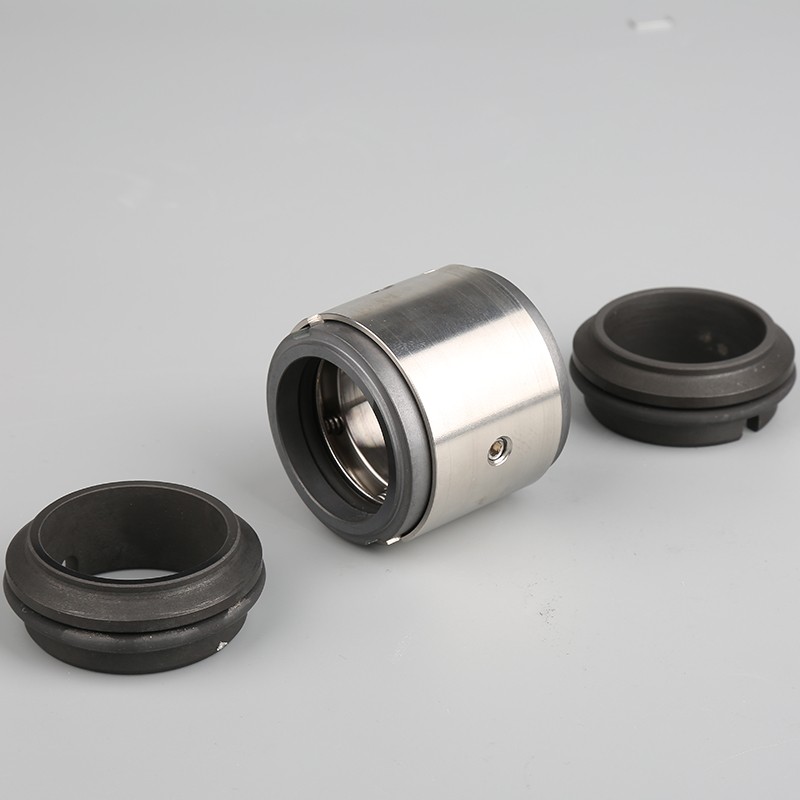
Insufficient Venting Before Startup
Trapped air in the seal chamber leads to dry running, thermal deformation, and face damage—especially critical for vertical pumps. Always vent thoroughly, rotate the shaft slowly to release air, and monitor temperature/pressure data during startup.
Frequent Start-Stop & Process Fluctuations
Repeated startup/shutdown creates drastic thermal and pressure shocks, wearing seal faces rapidly. Avoid unnecessary frequent operation; adopt stable working modes and use vibration monitoring to detect early abnormalities.
Poor Cleanliness During Repairs
Residual dust and debris during maintenance scratch precision seal faces, causing thermal cracks and persistent leakage. Always clean all parts, inspect aging elastomers, and check shaft sleeves before reassembly. Recording failure histories prevents repeated mistakes.
Auxiliary System & Environmental Factors for the Mechanical Seal
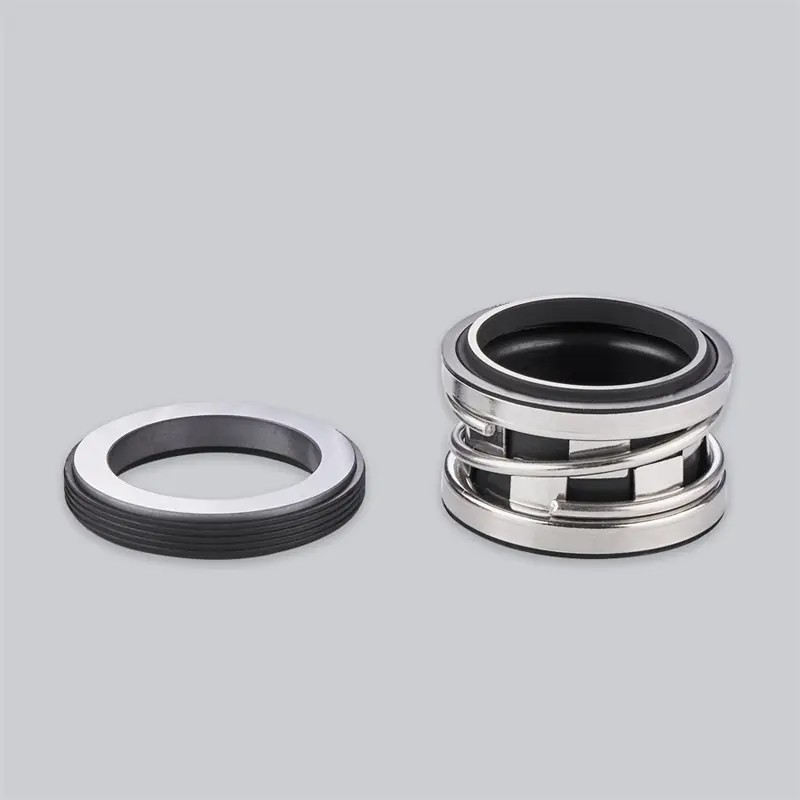
Improper flush or cooling water loss for the mechanical seal
Inadequate flush flow or failed cooling systems eliminate lubrication, causing overheating and deformation. Wrong flush plans, insufficient chamber filling, and contaminated media also accelerate failure.
Tip: Install seal pots 3–5 feet from seals and 1 foot higher; use large-bend tubing for smooth circulation. Filters and separators protect seal faces from solid particles.
Extreme temperature or pipe vibration on the mechanical seal
Very hot or cold temperatures can bend rubber and make cracks. Pipe vibration can bend shafts and make seals not line up. Both problems make seals break more often. In refineries, about 20% of seal breaks come from high heat. Vibration and cavitation also hurt seals. Workers should use coolers to control heat and simple pipes to lower vibration. Watching temperature and pressure helps keep seals healthy.
Barrier fluid leakage or pressure imbalance in the mechanical seal
Dual seal systems use barrier fluid to keep seals safe. The barrier fluid pressure must be higher than the process fluid. If the barrier fluid leaks or loses pressure, both seals can break. This can cause spills and damage equipment. Workers should use balanced mechanical seals and dual seals with barrier systems. Checking and fixing the system often keeps pressure steady and stops leaks.
Note: Rules like API 682 and ISO 21049 show how to install and care for seals. Workers should check seals before putting them in, add oil during use, and plan regular checks.
Conclusion
Mechanical seal leaks usually happen because of mistakes when installing, changes in how things work, or parts that get old. Finding problems fast and doing regular checks can stop expensive repairs and keep things working.
If leaks keep happening, experts can check the system, send help, and teach workers what to do. Victor’s strong sealing solutions help pumps stay safe and work well.
FAQ
What is the most common cause of mechanical seal leakage?
Most leaks happen because workers make mistakes when installing. They might not clean parts well. They may not line up the seal faces right. Victor says to use the guide and check all parts before starting.
How can someone tell if a mechanical seal needs replacement?
You might see drips or wet spots near the pump. Strange noises can also mean the seal is bad. If pressure or flow drops fast, the seal may need to be changed. Checking often helps find these problems early.
Can a mechanical seal leak if the pump runs dry?
Yes, it can. Dry running takes away the fluid that cools the seal faces. This makes heat and hurts the seal. Victor’s seals are strong, but all seals need fluid to work.