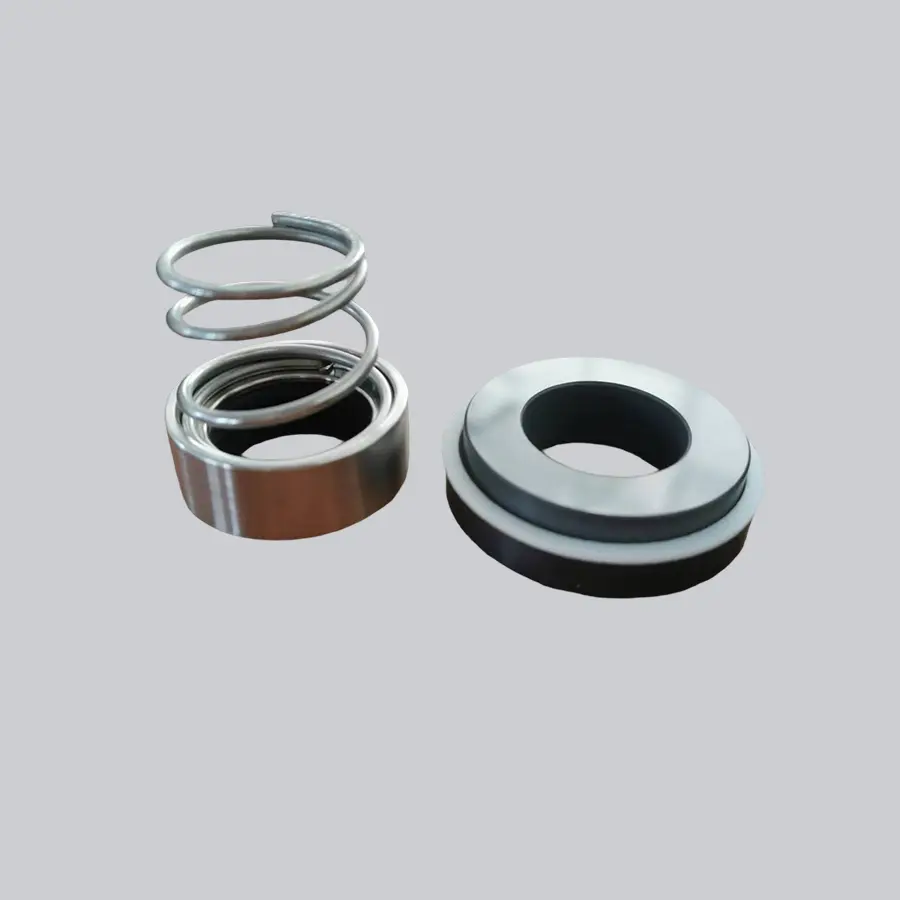
Pool pump shaft seal leaks can happen for many reasons. Some common causes are worn out seal material, running dry, shocks, vibrations, and changes in pressure. Victor gives good mechanical seals for water pump shaft seal problems. Installing the seal the right way and checking it often can stop shaft seal water pump leaks.
Key Takeaways
- Check your pool pump shaft seal often for damage like leaks or cracks. Finding problems early can stop bigger issues from happening.
- Make sure you install the seal the right way. Follow each step to stop leaks and help the pump work well.
- Test your pool water every week to keep pH and chlorine safe. This keeps the seal safe from chemicals and helps it last longer.
Causes Of Leaking Pump Shaft Seal
Seal Material Wear
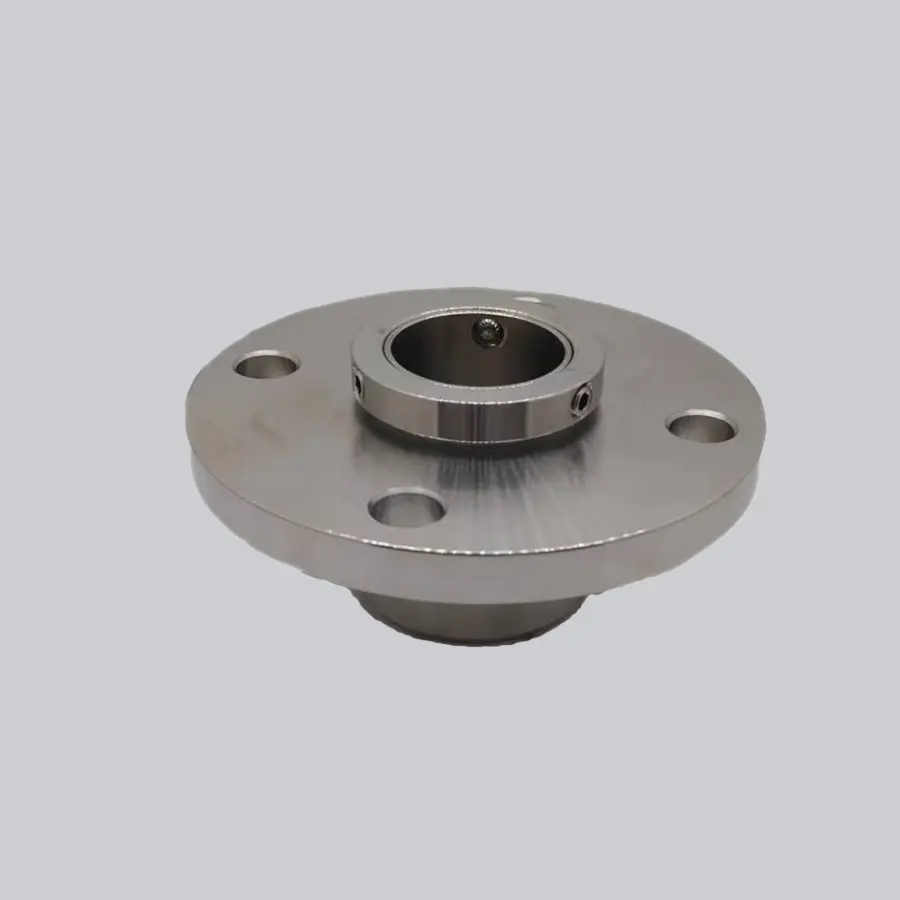
Seal material can wear out over time. This is a main reason for a pool pump shaft seal to fail. When seals get old, they cannot keep water inside. You might see leaks near the shaft seal. Pipes may get too hot. The seal may have cracks or look damaged. Most seals last about 7,500 hours, or almost three years. Pools with salt or ozone systems need new seals sooner. They may need them every one or two years. Victor’s mechanical seals use strong materials. These last longer than many other seals. Changing seals often helps stop leaks and keeps the pump working.
- Signs of seal material wear:
- Water leaking near the shaft seal
- Overheating in pump pipes
- Cracks or visible damage on the seal
Dry Running And Overheating
Dry running happens when the pump has no water. This can break the pool pump shaft seal very fast. Without water, friction goes up and hurts the seal. Overheating also wears down the seal quickly. High heat can crack or break the seal faces. If the pump runs with no water, heat builds up fast. The motor’s energy turns into heat, not water flow. This can make the fluid turn to vapor and cause dry running. Victor’s cartridge mechanical seals can handle heat changes. They help stop damage from dry running.
- Effects of dry running and overheating:
- Rapid seal deterioration
- Cracking or catastrophic failure of seal faces
- Misalignment from thermal expansion
- Vaporization of fluid causing more wear
Chemical Damage (Low pH, High Chlorine)
Pool water has chemicals like chlorine. If pH is too low or chlorine is too high, the seal can break down faster. Chemicals can weaken the seal and cause leaks. Victor’s metal bellow mechanical seals fight corrosion and chemical damage. These are good for pools with harsh water. Testing pool water often helps protect the seal from chemical harm.
Tip: Test pool water every week. Keep pH and chlorine safe. This helps the shaft seal last longer.
Warped Seal Plate Or Backplate Issues
Mechanical problems can bend plates or backplates. This can make the seal faces twist. Heat or pressure can bend these parts and cause leaks. If the shaft is not straight, it can shake and hurt the seal. This is worse at high speeds. Victor’s seals fit tightly and help stop leaks from bent parts.
- Common mechanical issues:
- Warped plates from heat or pressure
- Shaft misalignment
- Severe vibrations from coupling imbalance
Improper Installation Or Lack Of Lubrication
If you install the seal wrong, it can leak. Worn or cracked seals or O-rings let water out. Loose pipes or a cracked pump case also cause leaks. If there is no lube during install, friction goes up. This can scratch or burn the seal. Victor’s cartridge mechanical seals come ready to use. This makes installing easier and helps stop mistakes.
- Installation errors to watch for:
- Worn-out seals and O-rings
- Loose or broken plumbing connections
- Cracked pump housing
- Faulty pump lid
- Excessive vibration loosening fittings
- Effects of poor lubrication:
- Direct contact causing wear
- Scoring or abrasion on seal faces
- Heat cracks or blisters
Shocks, Vibrations, And Bearing Wear
Shocks and vibrations from the pump can hurt the shaft seal. If bearings inside the pump fail, the shaft can move wrong. This puts extra wear on the seal and causes leaks. Victor’s mechanical seals are made to handle shaking. They help stop leaks from bearing problems. Checking the pump often helps find these problems early.
Note: Listen for strange sounds or shaking from the pump. These can mean bearing trouble or seal damage.
Victor has many mechanical seals for these problems. Picking the right seal and installing it right can stop most leaks. This keeps your pool pump working well.
Diagnosing Pool Pump Shaft Seal Issues
Signs Of A Failing Shaft Seal
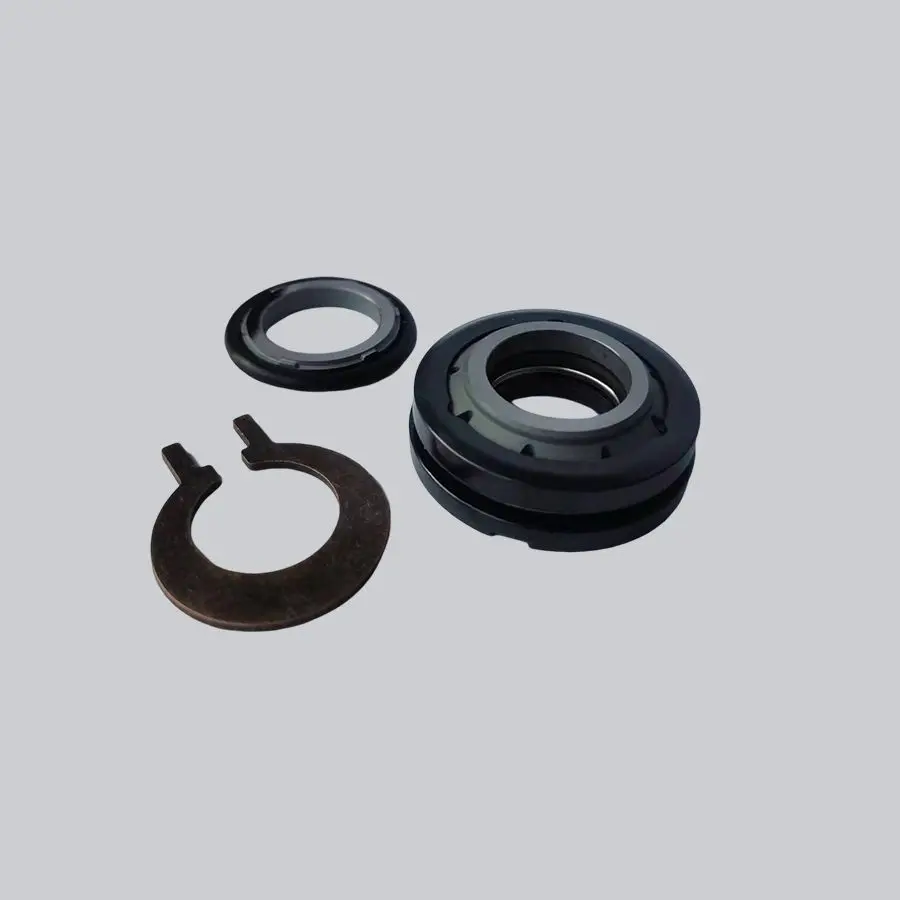
A failing shaft seal often shows clear warning signs. Water may leak around the pump. Wet spots or puddles can form under the pump. Air bubbles might appear in the return lines. The pump may overheat or work harder than usual. Corrosion can develop from constant leaks. Sometimes, the system will have trouble circulating water. Cracks in the pump housing or worn-out gaskets also point to trouble.
Tip: Listen for new noises or look for rust near the motor. These can signal pump shaft seal failure.
How To Identify The Root Cause
Finding the cause of a leaking pump shaft seal takes careful steps. Start by turning off the pump and disconnecting power. Remove the pump lid and check for cracks or worn parts. Inspect the connections between the pipes and the motor for leaks. Examine the shaft seal for wear or damage. Look at the pump housing for cracks. Check the O-rings and gaskets for signs of age or improper fit. Make sure the shaft is straight and the seal is aligned.
Common causes include:
- Failed shaft seal
- Cracked housing
- Seal damage from heat or pressure changes
Steps To Fix And Prevent Leaks
Follow these steps to fix and prevent leaks:
- Turn off the pump and disconnect power.
- Remove the pump lid and inspect all parts.
- Replace any worn or cracked seals, O-rings, or gaskets.
- Clean the shaft and seal faces before installing new parts.
- Use the correct Victor mechanical seal for your pump model.
- Reassemble the pump and check for leaks after priming.
Regular maintenance and proper installation help prevent future leaks. Victor mechanical seals use advanced materials and have a lower failure rate than many other brands. This makes them a reliable choice for pool owners.
Mechanical & Assembly Errors
Misalignment and Vibration
When pool pumps are not lined up right, problems happen. The pump and motor shafts must match up. If they do not, the seal faces wear out unevenly. This makes the seal break down faster and start to leak. Vibration can make things even worse. The seal faces can shake and wear out quickly. There are a few reasons for too much vibration:
- Imbalanced impellers can make the pump shake a lot.
- Worn bearings let the shaft move out of place.
- Loose mounting bolts do not keep the pump steady.
- Cavitation makes bubbles that hit the seal faces.
Pool owners should check for these problems often. They can listen for strange sounds or feel if the pump shakes. Victor’s mechanical seals can handle some vibration. But it is still important to keep everything lined up for the best results.
Tip: Check the pump for loose bolts and worn bearings often. Finding problems early can stop the seal from failing.
Improper Installation
If you do not install the seal the right way, it can leak. Doing each step in order helps keep water inside the pump. Pool experts suggest these steps:
- Put the seal plate on the pump and screw the impeller onto the motor shaft.
- Slide the motor back into the pump and make sure the o-ring fits tight.
- Tighten the clamp bands or bolts evenly and firmly.
- Fill the pump with water, open any closed valves, and test the pump.
Taking your time helps the Victor mechanical seal work well. Pool owners should not rush. They should check every step to make sure the seal fits and the pump works right.
System & Environmental Stress
Dry Running and Overheating
Dry running is when the pump works with no water. The shaft seal needs water to stay cool and slippery. If there is no water, friction gets worse. The seal faces get hot very fast. Too much heat can make the seal crack or bend. This can cause leaks and hurt the pump. Many pool owners see this when water is too low or air gets in.
Tip: Always look at the water level before turning on the pump. Never let the pump run without water.
Victor’s cartridge mechanical seals can handle changes in heat. These seals do not break from short times of overheating. They help keep the pump safe when things get tough.
Abrasives, Solids, and Contamination
Dirt, sand, and other small things can get inside the pump. These things can scratch the seal faces. Scratches let water leak out of the pump. Contamination can also come from leaves, algae, or tiny bits of trash. Over time, these things wear out the seal. The pump might start making grinding sounds. The shaft seal might have lines or rough spots.
Here is a simple table that shows where contamination comes from:
| Source | Effect on Seal |
|---|---|
| Sand | Scratches surfaces |
| Leaves/Algae | Clogs and wears |
| Rust Particles | Causes abrasion |
Victor’s mechanical seals use strong and smooth materials. These materials do not scratch easily and last longer in tough places. Pool owners should use a filter basket and clean it often. This keeps solids out of the pump and helps the shaft seal last longer.
A pump shaft seal can leak for a few reasons. Worn materials are one cause. Dry running is another reason. Sometimes, the seal is not installed right. Using good seals like Victor helps stop leaks. It is important to follow the right steps. Checking the seal often keeps it working well.
- Look at seals and lines for leaks.
- Change seals when you get a new motor.
- Get help from experts for fixing.
| Maintenance Benefit | Result |
|---|---|
| Checking often | Pump lasts longer |
| Finding problems early | Fewer breakdowns |
| Installing correctly | Works better |