
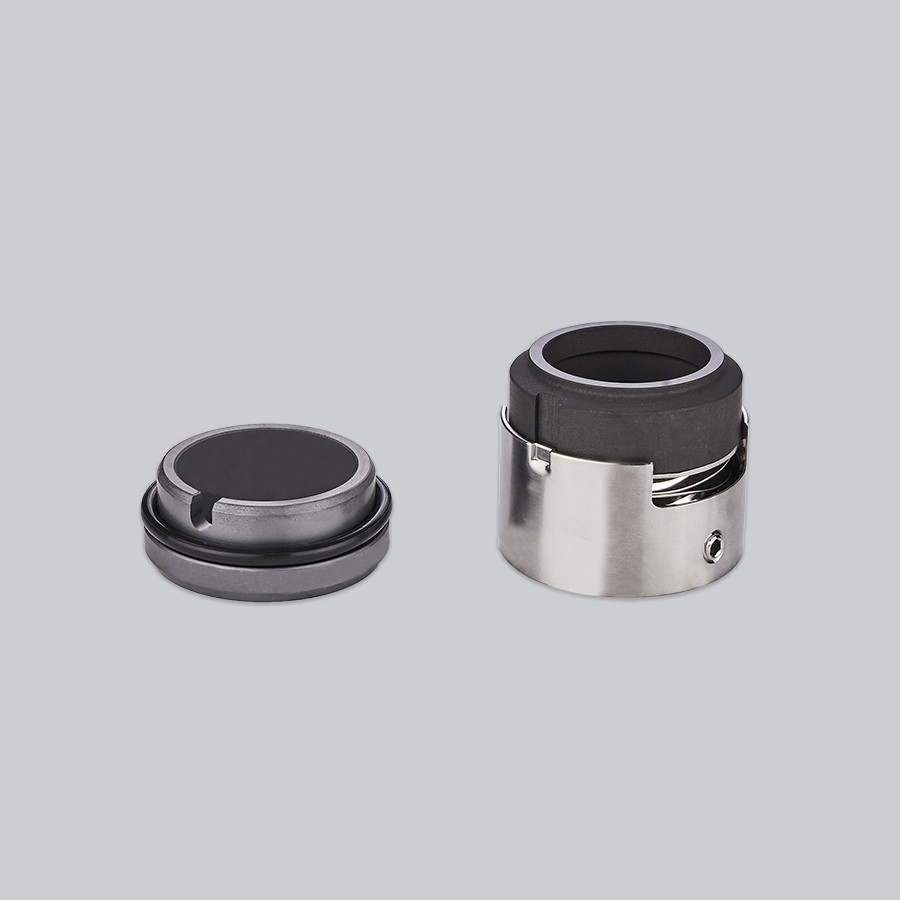
Standard elastomer bellows seals are most commonly unbalanced in their base general-purpose form, but balanced versions are widely available for higher-pressure applications. The difference lies in the seal’s balance ratio, which controls how much hydraulic pressure adds closing force to the seal faces. Unbalanced designs are simple, low-cost and ideal for low-pressure duty, while balanced seals reduce face loading, heat and wear at elevated pressures.
Key Takeaways
- Elastomer bellows seals come in both balanced and unbalanced designs; always check the datasheet balance ratio to confirm.
- Unbalanced bellows seals have a simple, low-cost construction and work best for low-pressure centrifugal pumps.
- Balanced bellows seals limit face loading at high pressures, reducing friction, heat and face wear for longer service life.
- Always match the seal to operating pressure, shaft size and fluid type, as all three factors impact real-world balance performance.
- As non-pusher seals, bellows designs eliminate O-ring fretting on worn shafts and self-align for minor misalignment, making them ideal for older pumps.
Balanced vs. Unbalanced Mechanical Seals
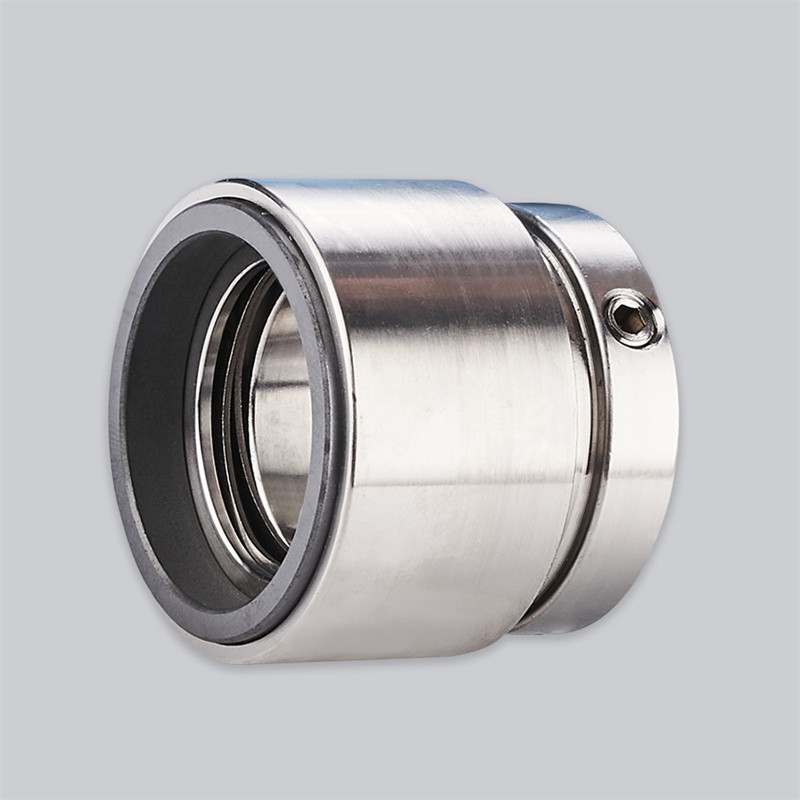
The balance ratio is the core metric that separates the two designs. It compares the effective hydraulic closing area of the seal faces to the face area exposed to full system pressure.
What Is a Balanced Seal?
A balanced mechanical seal has a balance ratio below 100%. Pressurized fluid acts on only a portion of the seal face area, so face loading increases moderately as system pressure rises. This design keeps face contact force controlled, reduces friction and heat generation, and slows face wear. Balanced seals are the standard for medium to high-pressure process pumps.
The balanced effect is achieved by adding a step on the shaft or sleeve shoulder, which shields part of the face from full fluid pressure. Exact ratios vary by shaft diameter and face width, and are confirmed via drawing review or bench testing.
What Is an Unbalanced Seal?
An unbalanced seal has a balance ratio above 100%. Full system pressure acts across the entire closing area, pressing the faces harder as pressure increases. Typical ratios sit around 1.2 (120%).
This simple design works reliably at low pressures: the extra closing force maintains face contact during startup and compensates for minor face wear. At high pressures, however, heavy face loading causes excessive heat and accelerated wear, shortening service life.
| Feature | Unbalanced Bellows Seal | Balanced Bellows Seal |
|---|---|---|
| Balance ratio | >100% (typically ~120%) | <100% |
| Pressure suitability | Low-pressure general service | Medium to high-pressure process duty |
| Face loading | Increases sharply with pressure | Stays controlled across pressure ranges |
| Heat & wear | Higher at elevated pressure | Lower, more consistent |
| Cost | Lower, simpler construction | Higher, requires stepped shaft/sleeve |
| Best for | Water pumps, light duty, residential pumps | Process pumps, high-pressure systems |
How Elastomer Bellows Geometry Impacts Balance

Elastomer bellows seals are a category of non-pusher mechanical seals, defined by their molded flexible rubber bellows component.
Core Bellows Seal Construction
The molded rubber bellows replaces both the spring and the sliding secondary O-ring found in pusher-type seals. It seals against the shaft and holds the rotating seal face in place, flexing in place rather than sliding along the shaft.
This non-pusher design offers two key advantages:
- Eliminates O-ring fretting and wear on scored or worn shafts
- Self-aligns to accommodate minor shaft misalignment and axial movement
Bellows are molded from elastomers including NBR, EPDM, FKM and HNBR, each formulated for specific fluid and temperature ranges.
Hydraulic Area & Balance Ratio
The balance ratio of a bellows seal is determined by the relationship between the bellows outer diameter and the shaft diameter, which sets the effective hydraulic closing area.
- Standard general-purpose bellows seals are unbalanced: The bellows profile creates a closing area larger than the shaft cross-section, so full fluid pressure pushes the faces together. This works well for low-pressure duty.
- Balanced bellows seals use a modified bellow profile or a stepped shaft/sleeve to shield part of the face area from full pressure, reducing closing force for higher-pressure operation.
Important: Shaft size also shifts the balance ratio for the same bellows family. Always reference the manufacturer datasheet for the exact ratio of your seal size, rather than assuming based on bellow shape alone.
How to Select the Right Bellows Seal
Choose your seal configuration based on these four core factors:
- Operating pressure: This is the primary deciding factor. Use unbalanced seals for low-pressure general service, and balanced designs for medium/high-pressure process pumps.
- Shaft diameter: Larger shafts change the effective area balance, so always confirm the ratio for your specific seal size.
- Fluid & temperature: Match the bellows elastomer and face material to your process fluid. Carbon-graphite on silicon carbide works for most water-based duties; tungsten carbide faces are preferred for abrasive slurries.
- Pump condition: For older pumps with worn or scored shafts, non-pusher bellows seals are an excellent choice, as they avoid the sliding O-ring fretting common with pusher designs.
For custom application support, Victor offers a full range of elastomer bellows seal models, with engineering teams available to match the right seal configuration to your specific pump conditions.
FAQ
How do I tell if a bellows seal is balanced or unbalanced?
Check the balance ratio on the manufacturer datasheet. A value below 100% indicates a balanced design; above 100% means unbalanced. Shaft size changes the ratio, so never guess based on bellows shape alone.
Do balanced bellows seals cost more?
Yes, balanced designs typically cost more due to the additional machining required for the stepped shaft or modified bellows profile. For high-pressure service, the longer face life and reduced downtime usually justify the premium.
Can an unbalanced seal run at high pressure?
It can operate temporarily, but face loading, heat and wear all increase sharply with pressure. For continuous high-pressure duty, a balanced seal is the safer choice for reliable long service life.
What face and elastomer materials work for common fluids?
Carbon graphite against silicon carbide works for most water-based applications. Tungsten carbide faces are used for abrasive slurries. For elastomers: NBR for water and oils, EPDM for hot water and steam, and FKM for most chemical services.
When should I choose a non-pusher bellows seal?
Choose a non-pusher bellows seal for pumps with worn or scored shafts, since the bellows flexes in place instead of sliding along the shaft. They also self-align to handle minor misalignment, making them a popular choice for older, well-used equipment.