You walk out to your pool one morning and spot a puddle of water under the pump. A closer look reveals water dripping steadily from the motor shaft. That small leak isn’t just a nuisance—it can destroy your $500+ pump motor if left unrepaired.
The good news is that replacing a pool pump seal is one of the most affordable pool repairs. Most homeowners pay $100–$250 total for professional service, or just $15–$35 if they do it themselves. In this guide, we’ll break down exactly what affects the cost, whether DIY is right for you, and how to save money on this essential repair.
Key Takeaways
- Professional pool pump seal replacement costs $100–$250 total (parts + labor); prices reach $300 in high-cost urban areas
- DIY replacement costs just $15–$35 and requires only basic household tools
- Replace your seal every 2 years (or 7,500 hours of use) to prevent costly motor damage
- High-quality seals from Victor last 30% longer and cost 10% less than competitors
- Always disconnect power at the circuit breaker before working on your pool pump
Average Cost to Replace a Pool Pump Seal
Typical Price Range (Parts + Labor)
Across the United States, the average cost to replace a pool pump seal falls between $100 and $250. This includes the price of the seal and 1–2 hours of professional labor. Most pool service companies charge a $80–$140 service call fee that covers small repairs like seal replacement.
Pro Tip: Get quotes from 2–3 local pool companies. Prices can vary by 50% or more between providers, even in the same area.
Cost Breakdown: Parts vs. Labor
Labor makes up 70–80% of the total cost for this repair. The seal itself is surprisingly affordable:
| Item | Cost Range |
|---|---|
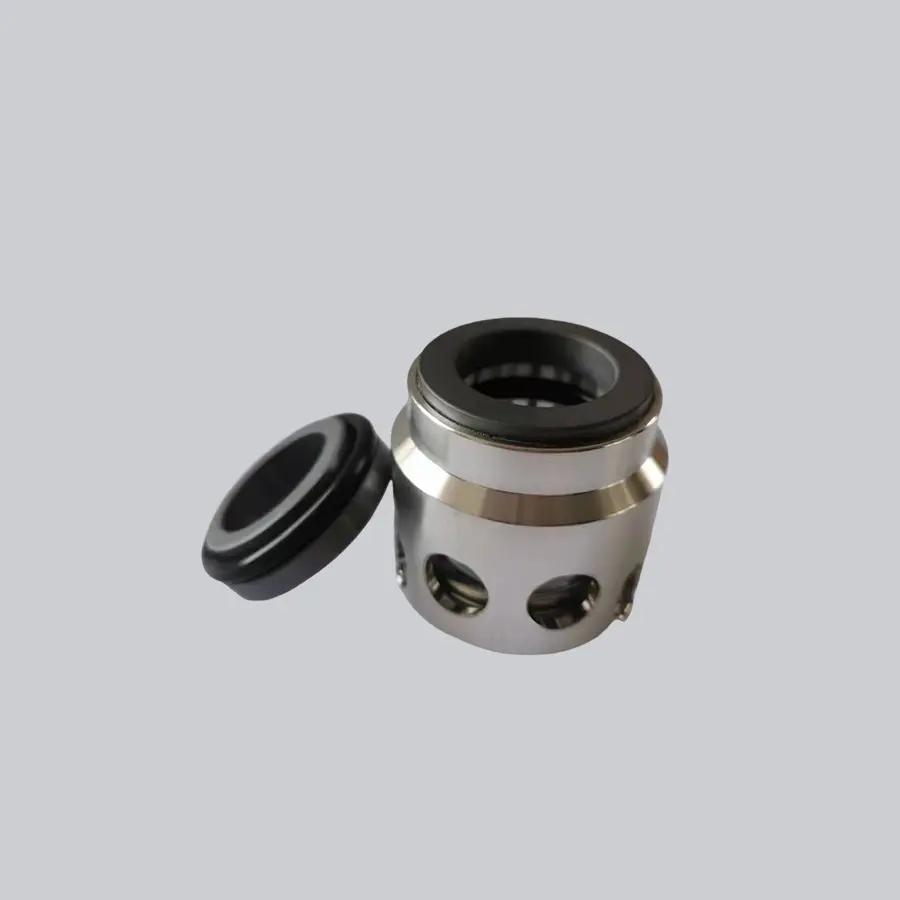
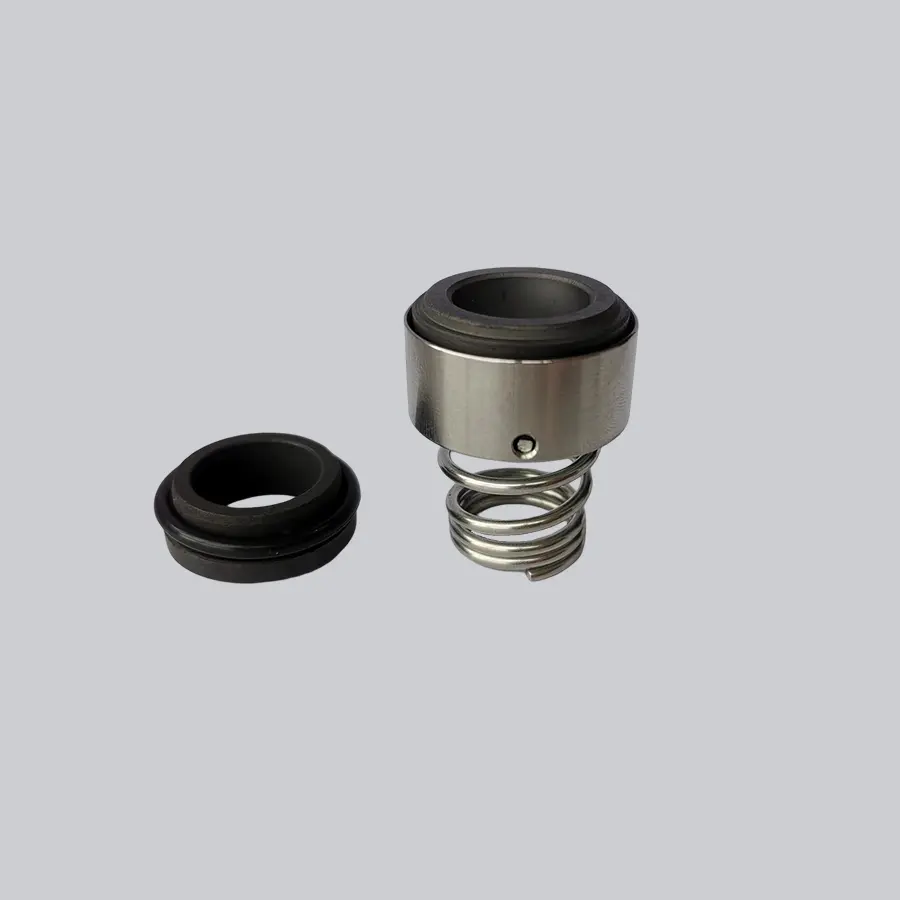
| Standard Pool Pump Shaft Seal | $15–$35 |
| Professional Labor (1–2 hours) | $80–$140 |
| Total Average Cost | $100–$250 |
What Affects Pool Pump Seal Replacement Cost?
Pump Type and Seal Quality
- Standard single-speed pumps: Use common, low-cost seals ($15–$25)
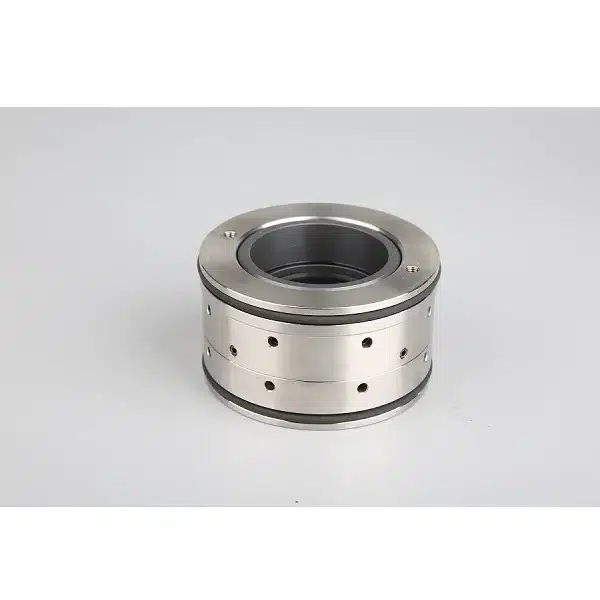
- Variable-speed and high-performance pumps: Require specialized seals ($25–$39)
- Older pumps: May have discontinued parts that are harder to find and more expensive
High-quality seals are always worth the extra investment. Cheap generic seals often fail in 6–12 months, while Victor seals typically last 2–3 years.
Labor Rates and Location
- Rural areas: $80–$100 per hour
- Suburban areas: $100–$120 per hour
- Major cities: $120–$140 per hour
Areas with more pool service companies tend to have lower prices due to increased competition.
Additional Repairs or Hidden Costs
A leaking seal often leads to secondary damage if ignored:
- Motor damage: $300–$800 for a new motor
- Rusted impeller: $50–$150 replacement
- Electrical issues: $100–$200 to repair
Replacing the seal at the first sign of a leak can save you hundreds of dollars in future repairs.
DIY vs Professional Replacement: Which Is Better?
DIY Replacement
Cost: $15–$35 (parts only)
Tools needed: Screwdrivers, pliers, adjustable wrench, seal puller (optional)
Replacing a pool pump seal is a straightforward project for most homeowners with basic DIY skills. Victor mechanical seals come with step-by-step instructions and are designed for easy installation.
Critical Safety Warning: Always disconnect the power to the pool pump at the circuit breaker before starting any repair work. Never work on a plugged-in pool pump—this can cause fatal electric shock.
Professional Replacement
Cost: $100–$250 total
Benefits: Expert workmanship, warranty on parts and labor, and detection of hidden problems
Hire a professional if:
- You are not comfortable working with electrical equipment
- The pump is old or has other issues
- The leak has been present for a long time
How to Save Money on Pool Pump Seal Replacement
Buy Quality Parts Directly
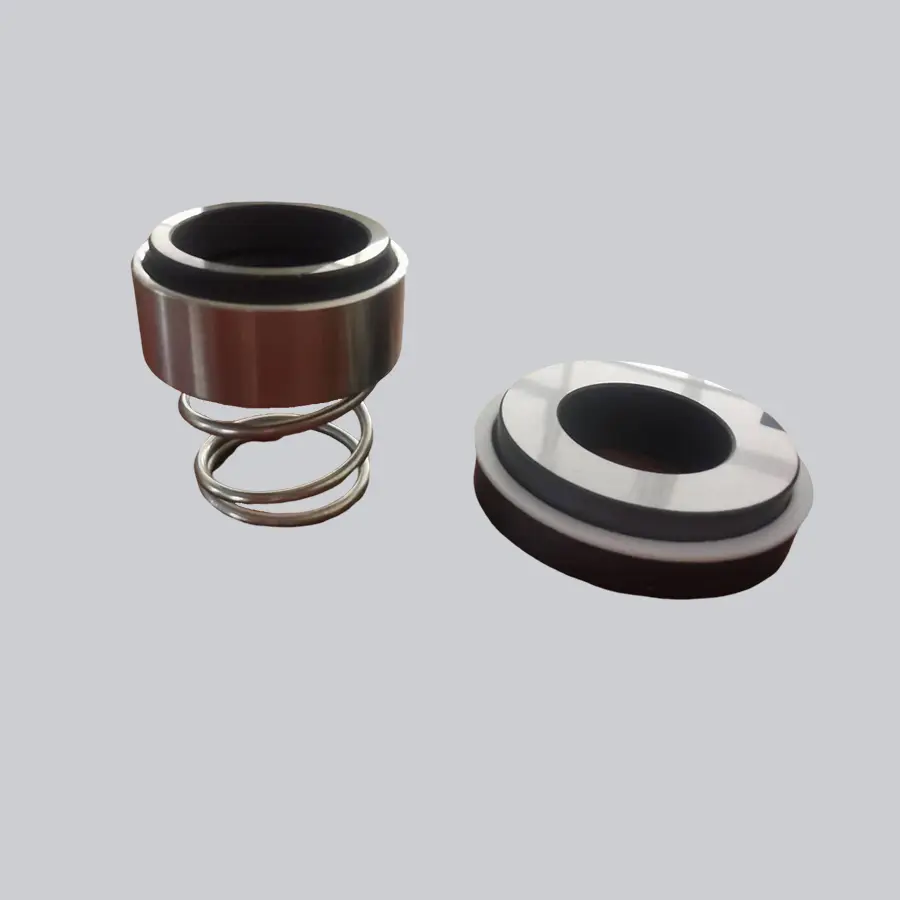
Purchasing a replacement seal directly from reputable Seal manufacturers or trusted online retailers can help you avoid the markup often added by pool service companies. Many OEM and aftermarket seal kits are widely available on platforms like Amazon and PoolSupply4Less, often at more competitive prices.
When buying, focus on compatibility, material quality, and product reviews rather than just price. Choosing a well-made seal that matches your pump model can reduce the risk of early failure and help you avoid repeat replacement costs.
Do It Yourself
You can save 70–80% by replacing the seal yourself. Most jobs take less than 2 hours, and there are plenty of step-by-step video tutorials online to guide you.
Prevent Pool Pump Seal Failure
Extend the lifespan of your pool pump seal and reduce the risk of unexpected failures with proper maintenance. Regular inspection and good operating habits can prevent leaks, reduce wear, and avoid costly repairs.
- Check for leaks regularly: Inspect the pump area weekly for drips or moisture around the seal. Early detection helps prevent major damage.
- Never run the pump dry: Operating without water causes rapid overheating and can destroy the seal within minutes.
- Maintain balanced pool chemistry: Improper pH or high chlorine levels can corrode seal materials and shorten lifespan.
- Clean pump baskets and filters: Blockages increase pressure and strain on the seal, leading to premature wear.
- Replace seals proactively: Even without visible leaks, replacing the seal every 1–2 years helps prevent sudden failure in high-use systems.
Conclusion
Replacing a pool pump seal is an affordable repair that can save you hundreds of dollars in costly motor damage. For most homeowners, DIY replacement is the best option, costing just $15–$35 and requiring only basic tools.
If you’re not comfortable doing it yourself, expect to pay $100–$250 for professional service. No matter which option you choose, always use a high-quality seal from a trusted brand like Victor. Their durable construction and competitive pricing make them the best value for pool owners.
FAQ
How often should someone replace a pool pump seal?
Most experts recommend replacing your pool pump seal every 2 years, or after about 7,500 hours of use. If you notice a leak before then, replace it immediately.
What signs show a pool pump seal needs replacement?
The most common signs are water leaking from the motor shaft, unusual noises from the pump, or rust around the motor housing.
Can a homeowner replace a pool pump seal without special tools?
Yes. Most people can replace a pool pump seal using basic household tools like screwdrivers and pliers. Victor seals come with clear instructions to make the process easy.
Does using a high-quality seal make a difference?
Absolutely. High-quality seals from Victor last 30% longer than generic seals, resist chlorine damage better, and provide a more reliable leak-proof seal.
Can I still use my pool if the pump seal is leaking?
No. A leaking seal allows water to enter the motor, which can cause electrical shorts, motor failure, and even electric shock. Turn off the pump immediately and replace the seal before using your pool again.