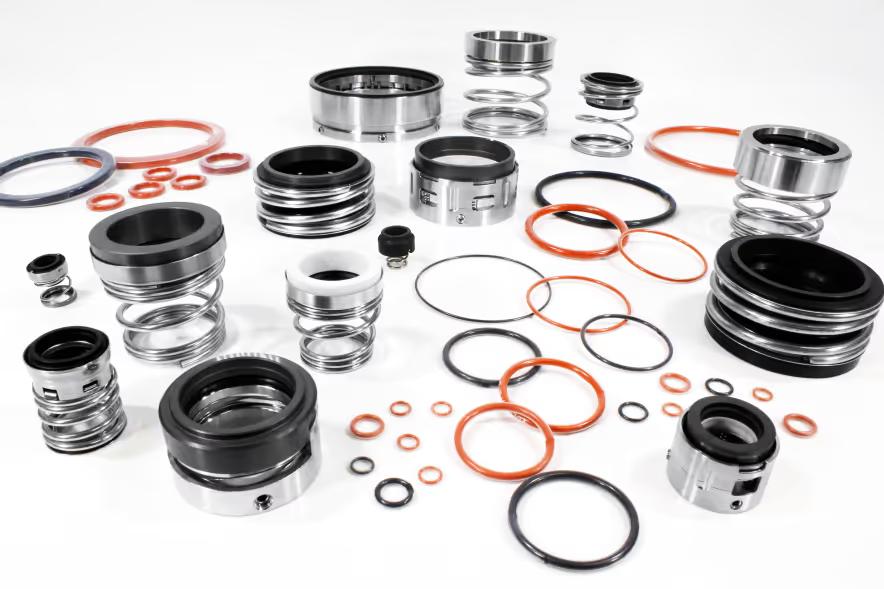
Mechanical seal failure is a leading cause of unplanned pump downtime, process fluid leakage, and workplace safety hazards across industrial facilities. Selecting a reliable mechanical seal manufacturer goes far beyond sourcing a replacement part — it directly impacts equipment reliability, maintenance costs, and operational safety. A qualified partner delivers application-engineered seals that minimize leakage, resist wear, extend service intervals, and reduce the risk of costly equipment breakdowns. Professional installation guidance and material expertise from the manufacturer further ensure long-term sealing performance and reduce on-site operational risks.
Key Takeaways
- Start by defining your exact operating conditions — including pressure, temperature, shaft speed, and fluid media properties — to narrow down suitable seal solutions.
- Prioritize material compatibility with your process fluid to prevent corrosion, abrasion, and premature seal failure.
- Evaluate manufacturers across product capabilities, quality assurance systems, in-house engineering support, and supply chain reliability.
- Assess total lifetime value, not just upfront price. High-quality seals reduce maintenance costs and cut unplanned downtime over their service life.
- Build a long-term partnership with a trusted manufacturer for consistent supply, technical support, and optimized equipment uptime.
Define Your Mechanical Seal Requirements First
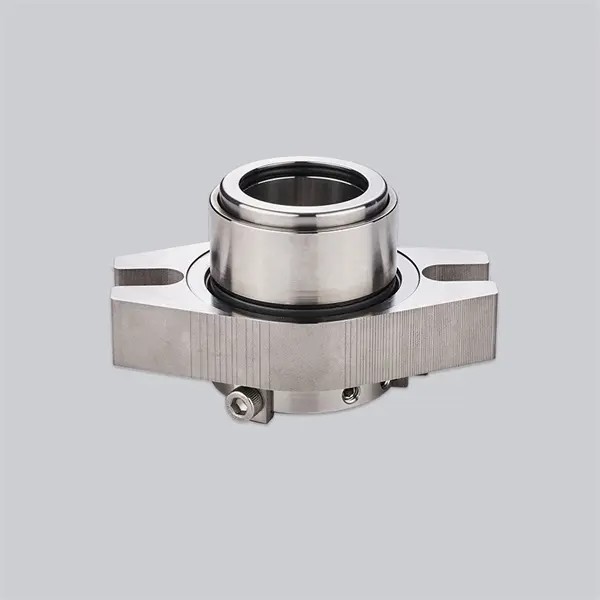
Before evaluating any manufacturer, you must first map out your system’s specific operational parameters. Every pump and rotating machine operates under unique conditions, handles different process fluids, and has distinct reliability targets. Clarifying these needs upfront ensures you select a seal that delivers optimal performance and maximum service life.
Operating Conditions: Temperature and Pressure Ratings
Mechanical seals must be engineered to withstand your system’s continuous operating pressure and temperature ranges, including transient spikes.
- Pressure: High operating pressure exerts extreme force on seal faces, requiring robust face designs and reinforced housing. Using a low-pressure-rated seal in a high-pressure system will cause rapid face wear and catastrophic leakage.
- Temperature: Excessive heat degrades elastomers, distorts metal components, and reduces lubrication between seal faces, leading to face cracking, elastomer softening, and premature failure.
Always match the seal’s pressure and temperature ratings to your actual operating parameters, including peak transient conditions.
Media Compatibility: Match Seal Materials to Process Fluids
The process fluid in contact with seal components is the most critical factor in material selection. Aggressive chemicals, abrasive slurries, viscous oils, and hazardous media all require specific material formulations to resist degradation.
Common fluid types that impact seal performance include:
- Corrosive chemical solutions
- Abrasive slurries and solids-laden fluids
- Heavy oils and hydrocarbons
- Hazardous or toxic process media
- Water and aqueous solutions
- Environmental stressors like moisture, UV exposure, and ozone
Material incompatibility leads to chemical attack, erosion, and sudden seal failure. The table below outlines common seal materials and their typical applications:
| Material Type | Key Properties | Primary Applications |
|---|---|---|
| Carbon-Graphite | Broad fluid compatibility, low friction coefficient | General-purpose industrial sealing |
| Silicon Carbide | Extreme hardness, excellent wear and chemical resistance | Abrasive slurry, wastewater, and heavy-duty chemical service |
| Tungsten Carbide | High mechanical strength, superior impact resistance | High-stress, high-pressure, and solids-laden operations |
| Alumina Ceramic | Cost-effective, good general chemical resistance | Mild chemical processing and general industrial service |
| FKM (Viton®) | Broad chemical resistance, service up to 204°C (400°F) | Oils, hydrocarbon processing, and general chemical service |
| AFLAS® (TFE/P) | Excellent base and amine resistance, service up to 232°C (450°F) | Steam and high-temperature water systems |
| EPDM | Superior water resistance, compatible with mild chemicals | Water treatment and mild chemical applications |
| FFKM (Kalrez®) | Extreme heat and chemical resistance, service up to 327°C (620°F) | Aggressive chemical and high-temperature process media |
Reputable manufacturers maintain extensive material portfolios to support marine, chemical, mining, oil and gas, and water treatment applications.
Reliability and Maintenance Expectations
Seal reliability directly impacts your total cost of ownership. Premium application-matched mechanical seals typically deliver 36 to 60 months of continuous service under rated conditions, reducing maintenance labor and replacement part costs.
Also consider the maintenance complexity of the seal design:
- Cartridge seals: Pre-assembled and factory-calibrated for quick, error-free installation. They reduce installation damage risk and require less on-site maintenance expertise.
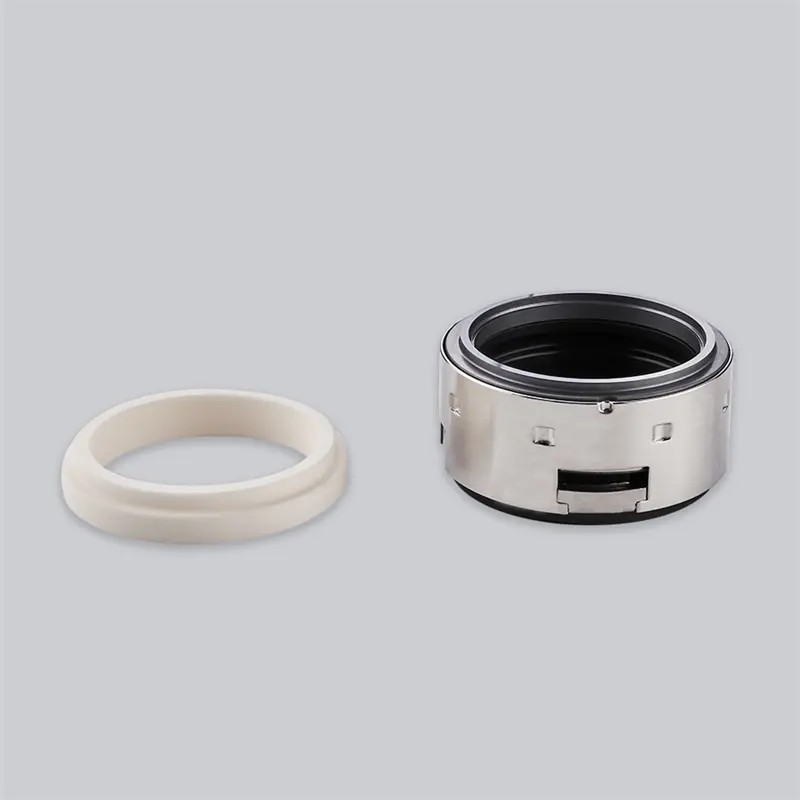
- Component seals: Assembled on-site, offering lower upfront cost but requiring higher installation precision and more frequent maintenance attention.
Understanding common seal failure modes helps your team implement preventive measures, extend equipment life, and improve site safety. Proper shaft alignment is also critical — even a high-quality seal will fail well before its rated service life if installed on a misaligned or vibrating pump.
Core Criteria for Evaluating Mechanical Seal Manufacturers
Once you have clear requirements, evaluate potential manufacturers against these core criteria to identify a capable, reliable long-term partner.
Product Capabilities and Application Expertise
A competent manufacturer does not just sell off-the-shelf parts — they provide application-engineered sealing solutions. They assess your equipment’s operating speed, pressure profile, and fluid properties to recommend the optimal seal type and material combination.
Experienced manufacturers specialize in challenging applications, including marine propulsion, mining slurry handling, and aggressive chemical processing. Their seals are designed to resist abrasive media, high pressure, and corrosive chemicals — conditions that cause standard off-the-shelf seals to fail prematurely.
Look for a manufacturer that:
- Has deep expertise in your specific industry and application type
- Validates seal compatibility with your exact process fluid composition
- Accounts for system pressure, shaft speed, and temperature dynamics in their recommendations
- Offers full seal system solutions, not just standalone components
Quality Assurance
Rigorous quality control is non-negotiable for mechanical seal reliability. Trusted manufacturers implement structured quality management systems across the entire production cycle:
- Robust design validation and raw material qualification
- Precision manufacturing with tight dimensional tolerances
- Performance testing under simulated operating conditions
- Non-destructive testing to detect hidden internal defects
- Full material traceability and batch documentation
- Qualified supplier management for raw material sourcing
- Standardized installation guidance to ensure correct on-site fitting
Strong quality assurance translates to longer seal life, compliance with industry regulations, and fewer unplanned field failures.
Engineering Support
Beyond product supply, top manufacturers provide end-to-end engineering support to help you select, install, and maintain seals correctly.
For unique equipment or harsh operating environments, experienced partners can develop custom mechanical seal designs tailored to your exact requirements. In-house engineering teams also offer seal selection guidance, on-site installation training, and troubleshooting support for seal performance issues.
| Advantage | Description |
|---|---|
| Custom Engineering | Application-specific seal designs optimized for your operating conditions |
| Technical Resources | Clear installation guides and dimensional drawings to simplify maintenance |
In-house engineering support ensures your seals are properly sized and configured, maximizing both performance and service life.
Supply Reliability and Delivery Consistency
Supply chain reliability directly impacts your maintenance planning and downtime risk. A dependable manufacturer maintains stable material sourcing, holds strategic finished goods inventory, and delivers orders on schedule to support your preventive maintenance cycles.
Look for partners that offer transparent lead times, consistent product quality across batches, and flexible order sizing to match both routine maintenance and emergency replacement needs.
Making the Final Manufacturer Selection
Choosing the best mechanical seal manufacturer requires a holistic assessment, not a price-only decision. A lower upfront cost often leads to higher long-term expenses from frequent failures, unplanned downtime, and repeated maintenance.
Compare Total Lifetime Value, Not Just Upfront Price
Many procurement teams focus only on initial purchase price, but the true cost of a mechanical seal includes maintenance labor, downtime losses, and replacement frequency over its service life.
| Aspect | Total Value Assessment | Price-Only Comparison |
|---|---|---|
| Core Focus | Long-term operational costs and performance reliability | Initial purchase price only |
| Key Considerations | Maintenance expenses, failure rates, downtime costs | Upfront unit cost |
| Long-Term Outcome | Optimal total cost of ownership and consistent uptime | Often leads to higher long-term operational costs |
A seal engineered for your specific application prevents leakage, reduces repair frequency, and delivers significant cost savings over time. Score each manufacturer on technical expertise, pricing competitiveness, and customization flexibility to make an objective comparison.
Evaluate Technical Support and Warranty Coverage
Responsive technical support is critical before and after purchase. Leading manufacturers provide on-site assessments, dimensional drawings, and troubleshooting assistance to resolve issues quickly and minimize downtime.
Top-tier manufacturers offer:
- On-site application assessments to define your exact requirements
- Detailed engineering drawings to verify proper seal fit
- ISO 9001-certified manufacturing and testing processes
- Pre-assembled seal kits for straightforward on-site installation
- Comprehensive product warranty coverage
A strong warranty signals the manufacturer’s confidence in their product quality and long-term durability.
Build a Long-Term Supply Partnership
Establishing a long-term partnership with a seal manufacturer delivers consistent supply, priority support, and continuous performance improvement over time. Open communication and transparent service build trust and align both parties around your operational goals.
| Key Partnership Factor | Description |
|---|---|
| Responsive Service | Fast turnaround and reliable shipping to minimize project delays |
| Consistent Quality | ISO 9001:2015 certified processes for durable, repeatable seal performance |
| Added Value | Ongoing engineering support and post-sales technical assistance |
| Operational Integrity | Transparent communication and fair business practices |
When evaluating partners, request customer references, verify industry certifications, review available support services, and test their response speed to technical inquiries.
Final Tip: Prioritize overall value, technical support, and partnership potential over the lowest bid. This approach reduces leakage, cuts maintenance costs, and sustains reliable equipment performance over years of operation.
FAQ
What industries rely on mechanical seals?
Mechanical seals are critical components across marine, mining, chemical processing, oil and gas, water treatment, and power generation industries. They prevent process fluid leakage, protect rotating equipment, and maintain operational safety in each sector.
How do manufacturers ensure mechanical seal quality?
Reputable manufacturers implement rigorous quality control across design, manufacturing, and testing stages. This includes material qualification, precision machining, performance validation under simulated operating conditions, and full batch traceability.
Can manufacturers provide custom mechanical seals for unique applications?
Yes. Experienced manufacturers offer custom mechanical seal engineering for specialized equipment and challenging operating environments. In-house engineering teams design application-specific seals to address unique machine dimensions, extreme conditions, and unusual process media.
What are the most common materials used in industrial mechanical seals?
High-performance mechanical seals use a range of face and elastomer materials, including carbon-graphite, silicon carbide, tungsten carbide, and advanced elastomer formulations like FKM, EPDM, and FFKM. Materials are selected based on their resistance to chemical attack, thermal degradation, and mechanical wear for the target application.
How do I calculate the total cost of ownership for mechanical seals?
Total cost of ownership includes the upfront purchase price plus installation labor, routine maintenance costs, replacement frequency, and estimated downtime losses from seal failure over the product’s service life. High-quality, application-matched seals almost always deliver a lower total cost of ownership than low-cost alternatives.