
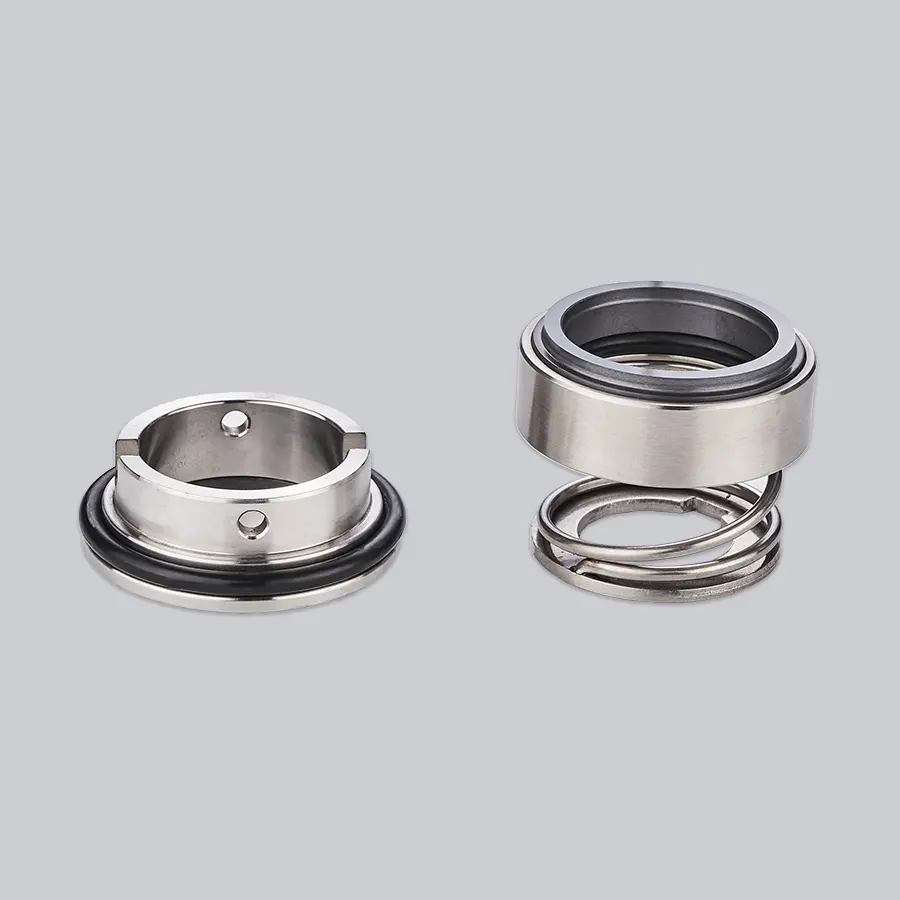
No, people should not touch a mechanical seal with bare hands. If you touch the seal, it can get dirty or damaged. This can cause leaks or make the seal work badly. Victor’s products have clear instructions for handling. These instructions help stop these problems. Safety and cleanliness are very important when using any seal.
Key Takeaways
- Do not touch mechanical seals with your bare hands. This helps stop damage and leaks.
- Always read and follow the instructions from the manufacturer. This keeps you safe and makes sure seals work well.
- Wear gloves and use clean tools when you work with seals. This keeps seals clean and stops contamination.
- Check and maintain seals often. This helps you find leaks early and makes seals last longer.
- Teach workers how to handle seals the right way. This lowers mistakes and makes equipment work better.
Mechanical Seal: Is It Safe to Touch?
Risks of Touching
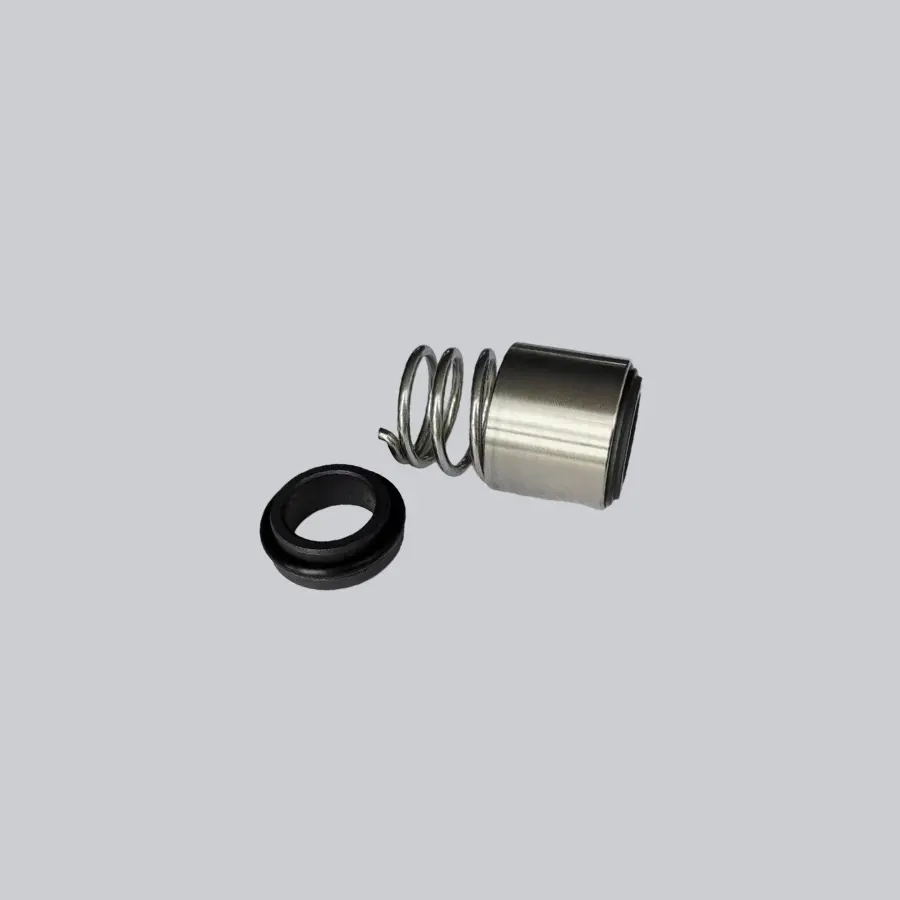
Touching a mechanical seal with bare hands is not safe. Most manufacturers, including Victor, give clear instructions about handling. They ask users to avoid direct contact with the seal faces. The oils and dirt from skin can cause permanent damage. Even a small amount of oil or grease can ruin the precision surface. Many seals have delicate components that scratch or contaminate easily.
Tip: Always check the product instructions before handling any mechanical seal. Following the guidelines helps keep the seal in good condition.
Here are some risks of touching a mechanical seal with bare hands:
- Skin oils can damage the polished faces of the seal.
- Dirt or grease can stick to the seal and cause leaks.
- Delicate parts may get scratched or chipped.
- The seal may not perform properly after being touched.
Importance of Cleanliness
Cleanliness is critical when handling a mechanical seal. Dust, dirt, and small particles accelerate wear and shorten service life. A clean seal performs better and reliably prevents fluid leakage. Lubrication also plays a big role. It creates a thin film between the sliding faces, reducing friction and cooling the seal. If dirt or oil from hands contaminates the seal, it breaks this protective film, leading to increased wear and early failure.
Mechanical seal manufacturers provide official handling guidance and training to ensure proper use. Companies like Victor focus on service and customer satisfaction, helping users get the best performance from every mechanical seal.
Note: Never assume a seal is safe to touch just because it looks clean. Always use gloves or clean tools when handling a seal.
Consequences of Touching a Mechanical Seal
Surface Damage
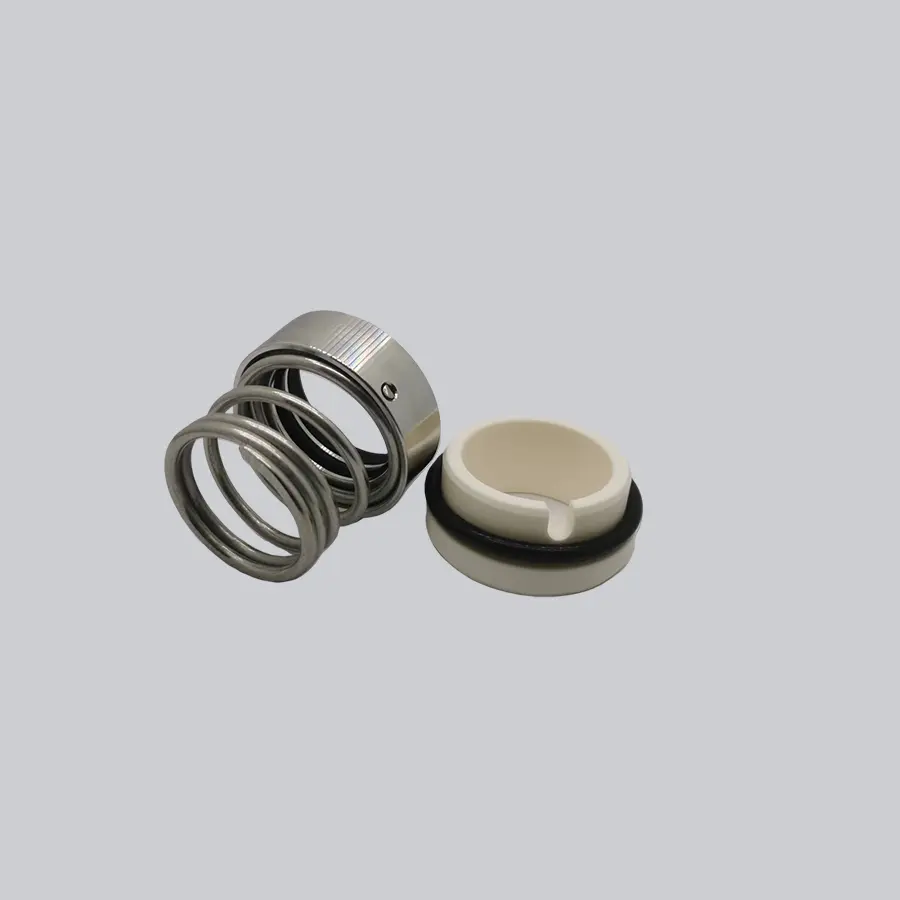
Touching a mechanical seal without protection easily damages its surface. The polished faces are extremely sensitive. Even small amounts of dirt or oil from fingers can scratch or contaminate the surface, leading to early leaks or failure. Common types of surface damage include:
- Cracks or chips on the seal face
- Elastomer parts swelling, shrinking, softening, becoming brittle, or losing additives
- Scratched seal faces from dirt during installation
| Identification Features | Description |
|---|---|
| Cuts | Visible cuts on the seal’s surface |
| Gouges | Deep marks indicating severe damage |
| Abrasion Marks | Worn spots on the surface |
Improper installation or uneven bolt tightening also damages seals. Always follow the manufacturer’s rules to avoid these problems.
Reduced Performance
A damaged seal cannot perform as designed. In industrial settings, single mechanical seals typically leak 10–50 milliliters per hour. For critical applications, leakage must be far lower. Touching or misinstalling a seal increases leakage, harming equipment and reducing efficiency.
Poor handling, such as insufficient lubrication, is a leading cause of seal failure. When seals fail, leakage worsens and equipment performance drops. Root-cause analysis often traces failures back to improper handling.
Safety Hazards
A damaged mechanical seal creates serious safety risks. Seals are designed to stop leaks; a failed seal can cause sudden, costly spills that endanger workers. Leaked fluids may contaminate water or chemicals, threatening people and the environment. Understanding failure causes prevents incidents and keeps operations safe.
Tip: Always handle seals carefully and follow manufacturer instructions. This protects workers and keeps machinery running reliably.
When Can You Touch a Mechanical Seal?
Maintenance Exceptions
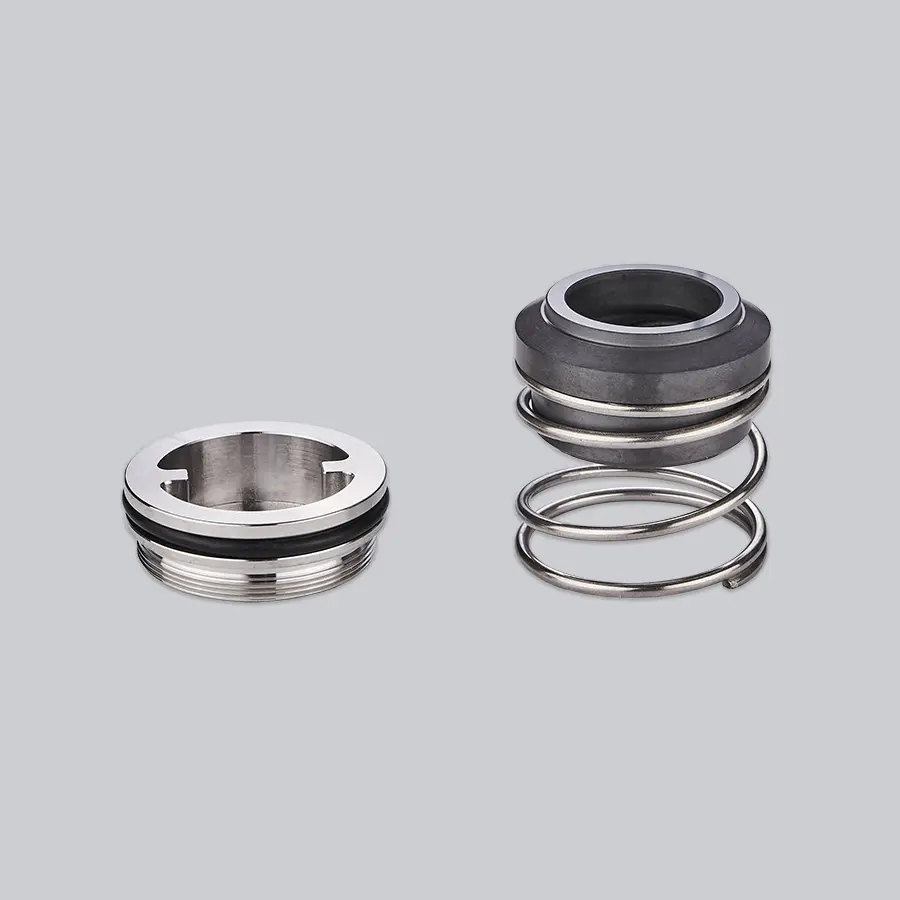
Workers may need to handle seals during maintenance, but this requires extreme care. Most guidelines only allow contact in specific situations, such as installation or inspection. Strict protocols must be followed to keep seals clean and undamaged.
| Maintenance Scenario | Precautions |
|---|---|
| Touching the seal face | Do NOT touch the seal face with dirty fingers |
| Installation of stationary seal face | Use a soft pressing tool or plastic sleeve; do NOT hammer directly |
| General installation rule | Never touch the seal faces with bare hands to avoid contamination from skin oils |
Limited exceptions apply in simple conditions:
- Workers can skip barrier fluids if the fluid is clean and safe
- Clean water may cool and lubricate the seal without a barrier fluid
These exceptions support safe handling in basic applications.
Precautions to Take
Seals must be protected from dirt and damage at all times. Workers should wear gloves and use clean tools. Good cleaning practices extend seal life. Many facilities use CIP (clean in place) and SIP (steam in place) to eliminate germs and maintain cleanliness.
Other best practices:
- Choose seals with smooth surfaces to prevent germ growth
- Use external seals washable with clean fluids
- Ensure seals are designed for easy cleaning
Workers should never touch seal faces with bare hands. Always review manufacturer instructions before maintenance. Careful handling keeps seals strong and functional.
Safe Handling Tips for Mechanical Seals
Use of Gloves and Clean Tools
Workers must always wear gloves and use clean tools when handling mechanical seals. Gloves block skin oils and dirt from contaminating seal faces. Clean tools prevent scratches and internal debris buildup, extending seal life and reducing leakage risk. Gloves also protect hands from sharp edges and harsh chemicals during installation.
Tip: Victor’s mechanical seals are easy to install, but proper steps are still required for reliable performance.
Best practices:
- Always put on clean gloves before touching any part of the seal
- Only use lint-free cloths or tissue paper to wipe seal faces
- Clean tools before each installation to avoid contamination
Step-by-Step Handling Guide
Clear instructions prevent damage and ensure proper performance. Victor recommends these steps for every seal installation:
- Turn off the pump and drain all fluids
- Gather required tools: flathead screwdriver, torque wrench, new seal, and lubricant
- Use a lint-free cloth to clean the O-ring groove and O-ring, removing old grease, dust, and debris
- Inspect the groove under bright light to confirm cleanliness
- Gently pull the O-ring through clean fingers or a lint-free cloth to remove dirt
- Wash dirty O-rings with fresh water and dry with a lint-free towel
- Assemble seal parts correctly per manufacturer instructions
- Test the pump for leaks and smooth operation after installation
Note: Training ensures workers follow proper installation rules, reducing errors and maintaining seal performance.
Proper handling and adherence to instructions prevent leaks and extend mechanical seal life. Victor prioritizes quality and easy installation, making operations safer and more effective for all users.
Conclusion
Never touch a mechanical seal with bare hands—its precision-engineered faces are extremely sensitive to skin oils, dirt, and scratches, which can cause permanent damage, increased leakage, and premature failure. These issues not only raise maintenance costs but also create safety hazards for workers and environmental contamination risks.
Following proper handling protocols is non-negotiable: always wear clean gloves, use lint-free tools, and strictly adhere to manufacturer instructions. Victor mechanical seals come with clear, step-by-step handling guidelines and pre-assembled designs that minimize installation errors and contamination risks. By prioritizing cleanliness, mechanical seal maintenance best practices, and choosing reliable sealing solutions, you can extend seal service life by 30–50%, reduce unplanned downtime, and ensure safe, efficient long-term pump operation.
FAQ
What causes seal support failure in mechanical seals?
Seal support failure occurs due to insufficient cooling or lubrication, dirt contamination, improper cleaning, or low-quality fluids. Regular system inspections help prevent failure in pumps and machinery.
How can someone prevent mechanical seal support failure?
Follow manufacturer guidelines, use clean fluids, monitor for leaks, keep systems free of debris, and provide regular worker training to lower failure risk.
What are the signs of mechanical seal support failure?
Common signs include leaks, unusual noise, elevated heat near the seal, machine vibration, or pressure loss. Quick action prevents larger damage.
Does improper mechanical seal installation cause seal support failure?
Yes. Skipping steps, using dirty tools, or incorrect fitting often leads to seal support failure. Careful installation avoids these issues.
Why is it important to address seal support failure quickly?
Unresolved failure damages pumps, causes dangerous leaks, and can shut down machinery. Fast repairs protect workers, the environment, and operational continuity.