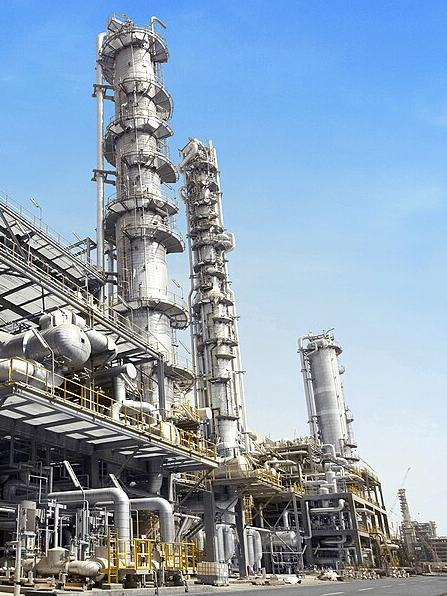
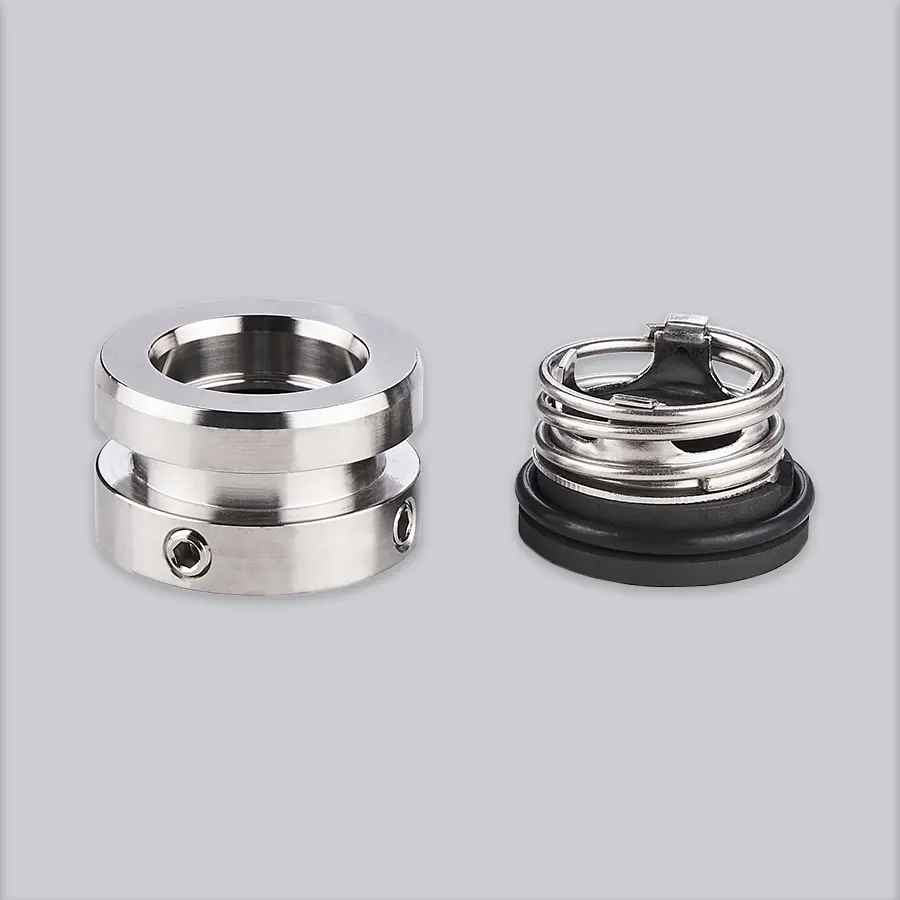
Marine mechanical seals are critical leakage-prevention components used in pumps, propeller shafts, thrusters, and other rotating equipment on ships and offshore vessels. They seal the gap around rotating shafts to prevent seawater, fuel oil, hydraulic oil, and other process fluids from leaking while protecting internal components from external contamination.
Marine seals operate under demanding conditions, including constant vibration, pressure fluctuations, seawater corrosion, and continuous shaft rotation. Their performance directly affects equipment reliability, environmental compliance, and maintenance costs. Understanding how marine mechanical seals work, where they are used, and what affects their service life is essential for selecting and maintaining the right sealing solution.
Key Takeaways
- Marine mechanical seals prevent fluid leakage and protect rotating equipment from corrosive seawater and debris.
- A microscopic liquid film between the seal faces provides lubrication, preventing dry friction and wear.
- Seals are used across core ship systems including cooling water, fuel transfer, ballast water and cargo pumps.
- Proper installation, shaft alignment and clean assembly prevent premature wear and reduce costly repair downtime.
What Is a Marine Mechanical Seal?
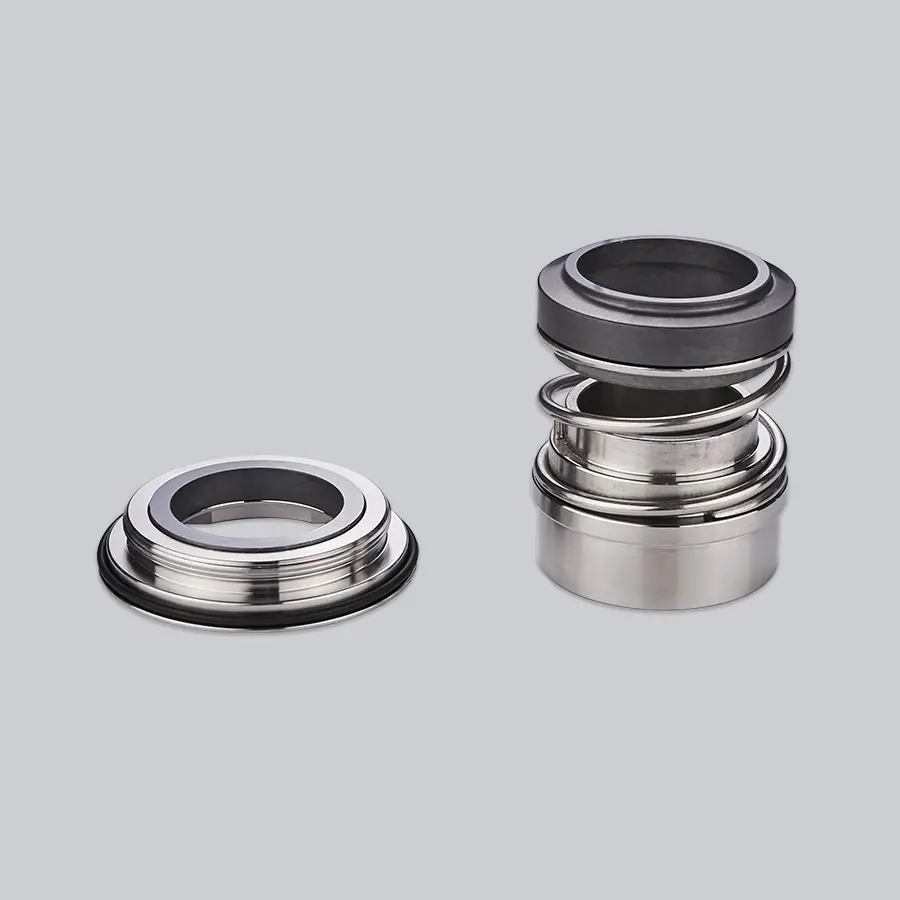
A marine mechanical seal is a shaft sealing device installed in ship pumps and rotating machinery to stop fluid leakage along the rotating shaft. Compared to traditional gland packing, modern end-face mechanical seals achieve near-zero leakage to the atmosphere, and do not require continuous leakage for lubrication, making them more efficient and environmentally compliant.
Marine seals are engineered to withstand the unique challenges of shipboard operation: constant hull vibration, fluctuating pressure, corrosive saltwater, and wide temperature swings.
How Marine Mechanical Seals Work
Working Principle
The seal relies on two precision-lapped flat faces to form the primary leakage barrier:
- One rotary face rotates with the shaft.
- One stationary face is fixed to the pump housing.
Springs and fluid pressure push the two faces tightly together to close the leakage path. A microscopic liquid film (approximately 1 micron thick) forms between the faces, providing hydrodynamic lubrication to prevent dry contact, reduce friction and heat buildup, and extend service life.
Pressure & Lubrication at the Seal Interface
Proper lubrication of the seal faces is the single most important factor for reliable operation. In clean, cool service conditions, the process fluid itself provides sufficient lubrication and cooling. For high-temperature or contaminated fluids, dedicated flush and cooling systems are required.
For high-pressure applications, dual mechanical seal systems use barrier fluid supplied at a pressure higher than the process fluid. This positive pressure differential prevents process fluid from reaching the seal faces, and lubricates both the process-side and atmosphere-side seal faces. Monitoring barrier fluid pressure provides early warning of seal face deterioration.
Standardized support plans such as API Plan 11 (internal flush), API Plan 21/23 (cooled flush) and API Plan 54 (pressurized barrier fluid) are widely used in marine systems to maintain proper seal face lubrication and cooling.
Where Are Marine Mechanical Seals Used?
Marine mechanical seals are used in critical fluid-handling and propulsion systems where pumps and rotating shafts must operate reliably in seawater, fuel, lubricating oil, and other marine fluids.
Marine Pump Systems

- Cooling water pumps: Circulate seawater or fresh water to cool main engines, auxiliary engines, and other onboard equipment. Mechanical seals help prevent coolant leakage around the rotating pump shaft.
- Fuel oil transfer pumps: Transfer fuel oil to storage tanks, treatment systems, or engines. Seals require materials compatible with fuel oils and the operating temperature.
- Cargo pumps: Transfer liquid cargo between onboard tanks and shore facilities. Mechanical seals must be matched to the cargo type, pressure, and temperature.
- Ballast water pumps: Move seawater into and out of ballast tanks to maintain vessel stability. Corrosion-resistant seal materials are important because of continuous seawater exposure.
- Emergency fire pumps: Supply seawater for firefighting systems. Reliable mechanical seals help ensure the pump remains ready for immediate operation when needed.
Propulsion & Thruster Systems
- Stern tube and propeller shaft seals: Seal the rotating propeller shaft where it passes through the hull, helping prevent seawater ingress and lubricating oil leakage.
- Bow and stern thruster seals: Seal rotating shafts in thruster systems operating underwater. They must withstand seawater exposure, pressure changes, vibration, and continuous operation while minimizing the risk of oil leakage.
How to Extend Marine Mechanical Seal Life
Premature seal failure is almost always caused by installation error, poor lubrication or misalignment, not material defect. Follow these best practices to maximize service life:
- Ensure precise shaft alignment: Excessive shaft runout causes uneven face wear and leakage. Always align the pump and motor before installing a new seal.
- Clean all components thoroughly: Even small particles of dirt or metal debris can scratch seal faces and cause rapid failure.
- Use the correct flush plan: Verify that flush and cooling systems are properly sized and operational to maintain face lubrication and temperature control.
- Operate within design limits: Avoid operation outside the rated pressure, temperature and speed range of the seal.
- Inspect barrier fluid regularly: For dual seal systems, monitor barrier fluid pressure and level to detect early seal deterioration.
FAQ
What ship systems use mechanical seals?
Mechanical seals are installed in nearly all rotating fluid equipment on ships, including cooling water pumps, fuel transfer pumps, ballast water systems, cargo pumps, emergency fire pumps, and stern tube / thruster shaft assemblies.
Why is installation accuracy so important for mechanical seals?
Precise installation and shaft alignment ensure even contact pressure across the full seal face. Misalignment, dirty components or incorrect spring compression cause uneven wear, face damage and premature leakage. Proper installation is the single biggest factor in long seal service life.
What are the benefits of cartridge mechanical seals for marine use?
Cartridge seals arrive fully pre-assembled and factory-calibrated, eliminating manual measurement and alignment errors during installation. They drastically reduce repair downtime and lower the risk of startup failures, making them ideal for critical shipboard equipment.
Why are hard face materials needed for marine service?
Marine seals operate under high pressure, constant vibration and corrosive saltwater conditions. Hard materials like silicon carbide and tungsten carbide resist wear, corrosion and impact far better than softer materials, ensuring reliable sealing and longer service life in harsh ocean environments.
What causes mechanical seals to fail prematurely?
The most common causes of early failure are shaft misalignment, contaminated fluid scratching seal faces, insufficient lubrication or cooling, operation outside design limits, and incorrect installation. Most premature failures are preventable with proper installation and maintenance practices.
Final Thoughts
Marine mechanical seals are small but critical components that have an outsized impact on vessel uptime, environmental compliance and operating costs. Understanding how they work, how to select the right materials, and how to maintain them properly helps crews prevent unexpected failures, reduce repair costs, and meet regulatory requirements.