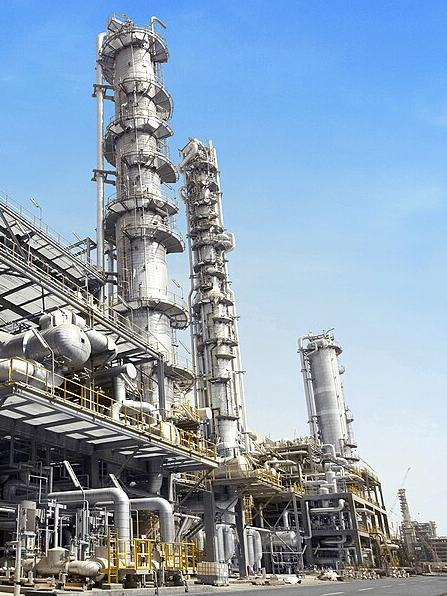
The water industry relies on continuous, high-volume pumping to move water through intake, filtration, chemical dosing, sludge handling and clean-water distribution. With process water often carrying sand, silt, treatment chemicals and biological matter, water pumps face constant abrasion, corrosion and leakage risks. As traditional packing seals fail to meet modern efficiency and leakage-control standards, properly specified mechanical seals have become essential for reliable, compliant and low-cost plant operation.
Stopping seal leakage requires early detection, root-cause diagnosis and correct seal selection plus installation. Victor supplies high-performance mechanical seal solutions engineered to maximize pump reliability and reduce operating costs. With 27 years of expertise, advanced CNC machining and strict quality control, Victor seals deliver exceptional durability in abrasive and chemically aggressive water service environments, serving as precision-engineered alternatives to major global brands.
Key Takeaways
- Early leak detection through routine visual inspection and pressure testing prevents unplanned downtime and secondary pump damage.
- Abrasive particles, chemical corrosion and poor installation are the top three causes of premature seal failure in water industry pumps.
- Selecting the right seal type — elastomer bellow or cartridge-style — matched to your water chemistry and pump type reduces leakage risk significantly.
- Correct installation and alignment are just as critical as seal quality for long-term leak-free performance.
- Proactive maintenance and proper seal material selection lower total maintenance costs and extend pump service life.
Common Causes of Mechanical Seal Leakage in Water Pumps
Normal Wear and Aging
Mechanical seals operate under constant pressure, rotation and friction inside water pumps. Over thousands of operating hours, seal faces wear down gradually, losing their tight, flat contact and allowing seepage. Excessive vibration and shaft misalignment accelerate wear dramatically. While all seals will eventually wear out with age, regular maintenance can extend service life considerably.
Installation & Alignment Errors
Improper installation is one of the most common causes of early seal failure. Common mistakes include:
- Misaligned seal faces or shaft runout
- Over-tightened or uneven spring loading
- Damaged seal faces during handling
- Missing or incorrectly fitted gaskets and O-rings
Even small alignment errors create uneven wear on seal faces, leading to accelerated leakage and premature failure.
Process Fluid & Operating Condition Issues
Water industry pumps operate in particularly harsh conditions that shorten seal life:
- Abrasive solids: Sand, silt and sludge particles scratch and wear seal faces, destroying the flat surface required for leak-free operation.
- Chemical corrosion: Disinfectants, coagulants and pH-adjusting chemicals attack seal materials and elastomers, causing degradation and leakage.
- Cavitation: Air bubbles forming and collapsing inside the pump erode seal faces and create unstable operating conditions.
- Thermal shock: Rapid temperature changes from cold water surges can crack brittle seal face materials.
Tip: Flush the seal chamber and filter intake water to remove abrasive solids. This is the single most effective step to extend seal life in raw water and sludge service.
How to Identify Seal Leakage Early
Common Leak Symptoms
Catch seal degradation early by watching for these signs:
- Visible dripping or seepage at the pump shaft seal area
- Increased pump vibration or unusual grinding/whining noise from the seal housing
- Falling pump efficiency or rising power consumption
- Puddles or process fluid buildup around the pump base
Inspection & Diagnosis Methods
- Visual inspection: Check the seal weep hole and shaft area for steady dripping or mineral deposits from dried leakage.
- Pressure test: Conduct a static pressure test on the pump casing to locate small, hard-to-see leaks.
- Vibration monitoring: Track rising vibration levels, which often indicate misalignment or uneven seal wear before visible leakage appears.
Effective Solutions to Stop and Prevent Seal Leakage
Temporary Emergency Mitigation
For minor leaks during active operation, these short-term measures can buy time until scheduled maintenance:
- Adjust the seal flush flow rate to cool and lubricate the faces properly.
- Tighten gland bolts evenly to restore face contact pressure (only for adjustable seal designs).
- Reduce pump operating pressure temporarily to slow leakage.
Important: These are only temporary fixes. Continued operation with a leaking seal will damage the shaft and pump housing, leading to more expensive repairs. Always plan for full seal replacement at the earliest scheduled shutdown.
Permanent Repair Procedure
Follow this standard workflow for full seal replacement and leak-free restoration:
- Isolate the pump, drain process fluid and relieve all system pressure.
- Remove drive couplings, pulleys and the pump cover to access the seal assembly.
- Extract the old mechanical seal, gasket and O-rings. Inspect the shaft sleeve for scoring or corrosion.
- Thoroughly clean the seal chamber and shaft; replace any damaged sleeves or bushings.
- Install the new mechanical seal following the manufacturer’s alignment and lubrication instructions.
- Reassemble the pump, refill the system and perform a leak test at operating pressure.
- Run a trial operation and monitor for leakage, vibration and abnormal noise.
Choose the Right Seal Type for Water Service
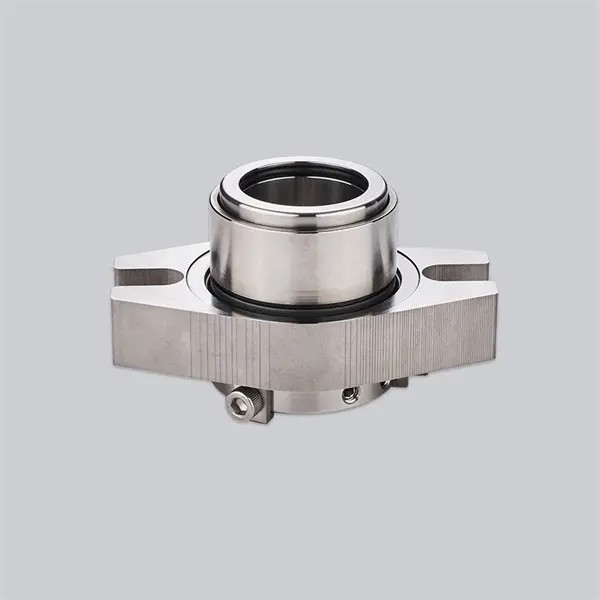
Selecting a seal matched to your application eliminates most recurring leakage problems. Two types are most widely used in the water industry:
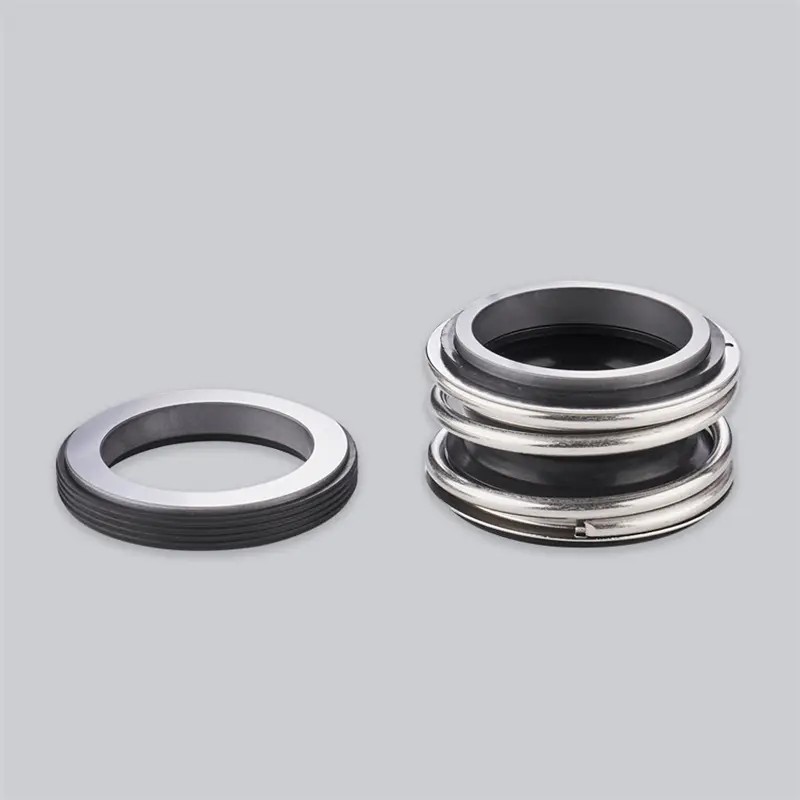
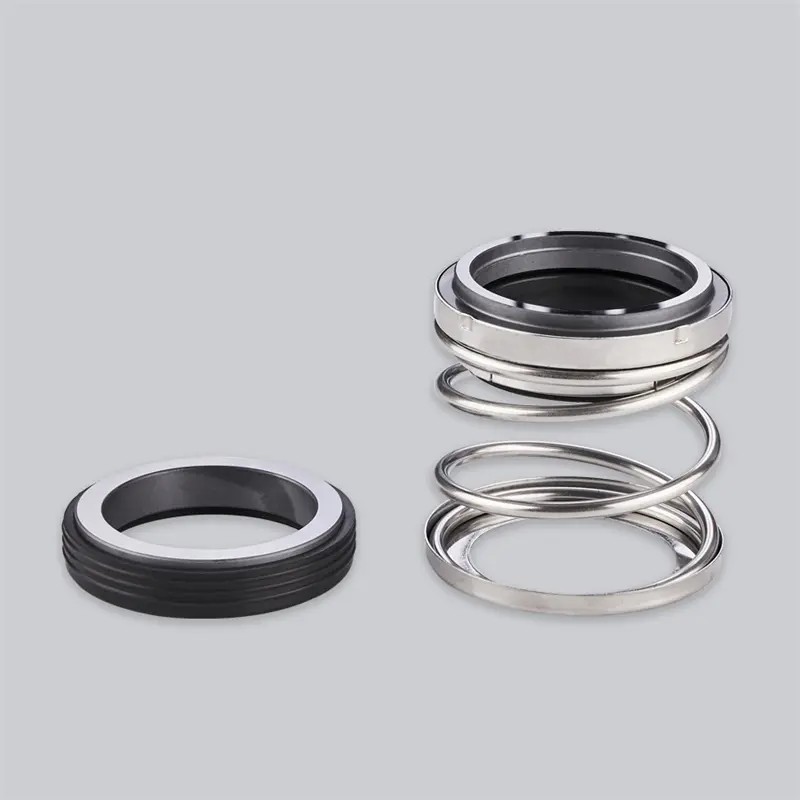
- Elastomer Bellow Mechanical Seal Ideal for chemically treated or slightly contaminated water. The flexible bellows design compensates for minor shaft misalignment and offers excellent compatibility with a wide range of water treatment chemicals. It works well for general water transfer and low-to-medium pressure service.
- Cartridge Mechanical Seal Pre-assembled, self-contained design that simplifies installation and reduces human error. Suitable for intake pumps, distribution pumps, dosing pumps and high-pressure treatment pumps. Cartridge seals ensure consistent face alignment and are faster to install, cutting maintenance downtime.
Conclusion
Mechanical seal leakage is one of the most common causes of pump downtime in the water industry, but it can be effectively controlled with early detection, proper seal selection and correct installation practices. By matching seal type and material to your specific water chemistry and operating conditions, you can drastically reduce leakage, extend pump life and lower long-term maintenance costs.
For reliable, high-performance sealing solutions across intake, treatment, sludge and distribution pumps, Victor’s 27 years of water industry expertise, precision manufacturing and large inventory deliver dependable, cost-effective seal performance that meets modern regulatory and efficiency standards.
FAQ
Why do mechanical seals fail so often in water industry pumps?
Water pumps frequently handle abrasive solids, treatment chemicals and variable flow conditions that accelerate seal face wear and corrosion. Poor installation and lack of seal flush maintenance also contribute to shorter service life.
What types of mechanical seals are used in water treatment pumps?
Elastomer bellow seals are the most common for general water and chemical dosing service, while cartridge mechanical seals are preferred for high-pressure and critical service where installation accuracy and fast maintenance are priorities.
How do you reduce seal leakage in abrasive slurry and sludge pumps?
Use hard-faced seal materials such as silicon carbide, install a clean seal flush system, and add filtration to remove solids from the seal chamber. Regular inspection and cleaning also help prevent premature abrasive wear.
Can Victor mechanical seals replace major international pump brand seals?
Yes. Victor designs its seals to match OEM dimensions and performance specifications, making them suitable for direct replacement on most leading pump brands used in water intake, treatment and distribution systems.
How often should water pump mechanical seals be inspected?
Monthly visual inspection is recommended for most water service pumps. For high-pressure or abrasive sludge pumps, inspect every 2–4 weeks. Early detection of seepage allows planned maintenance and avoids unexpected failures.