
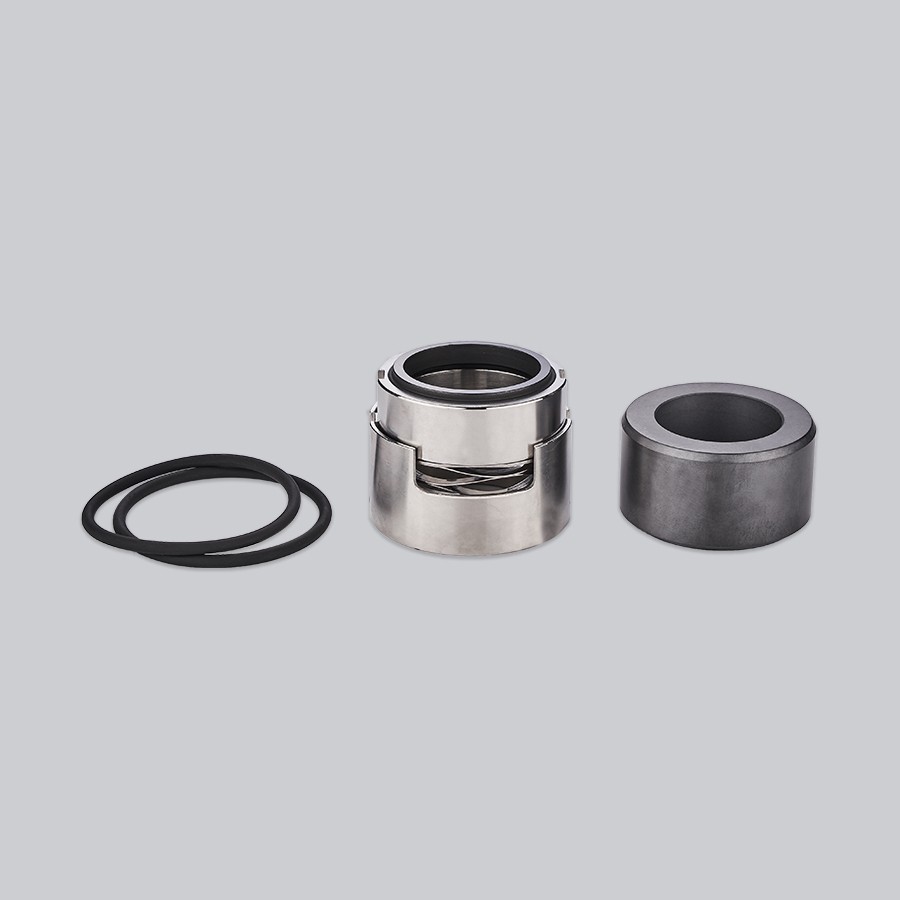
Accurate measurement is the foundation of a successful mechanical seal replacement. Many premature seal failures are caused by installation misalignment and incorrect dimensional matching rather than product defects. Taking precise measurements of the shaft, seal chamber and key seal components ensures proper fit, reduces unplanned downtime and helps lower long-term maintenance costs.
Key Takeaways
- Accurate measurement of the shaft, seal chamber and seal components is essential for selecting the correct mechanical seal replacement.
- Use precision tools such as digital calipers, micrometers and depth gauges to ensure reliable measurements.
- Check key dimensions including shaft diameter, chamber bore and depth, seal face size, spring length and working length before ordering a new seal.
- Inspect components for wear, damage and alignment issues, as small measurement errors can cause leakage and premature seal failure.
- Record all measurements, photos and operating conditions, and confirm specifications with a trusted mechanical seal manufacturer before replacement.
Tools Needed to Measure a Mechanical Seal
Required Measuring Tools
Use calibrated precision tools to ensure accurate, repeatable readings:
- Digital calipers: For quick general measurements of shaft diameter, seal face OD/ID and seat dimensions.
- Outside micrometer: For higher-precision readings of shaft diameter and seal face thickness.
- Depth gauge: To measure seal chamber depth and working length of the seal assembly.
Cleaning & Personal Protective Equipment
- Thoroughly clean the shaft, seal chamber and all seal components with a soft brush and mild cleaner. Dirt, scale and product residue will skew measurement results.
- Wear safety glasses, nitrile gloves and protective clothing to avoid cuts from sharp seal edges and exposure to residual process fluids.
Identify Key Mechanical Seal Components Before Measuring
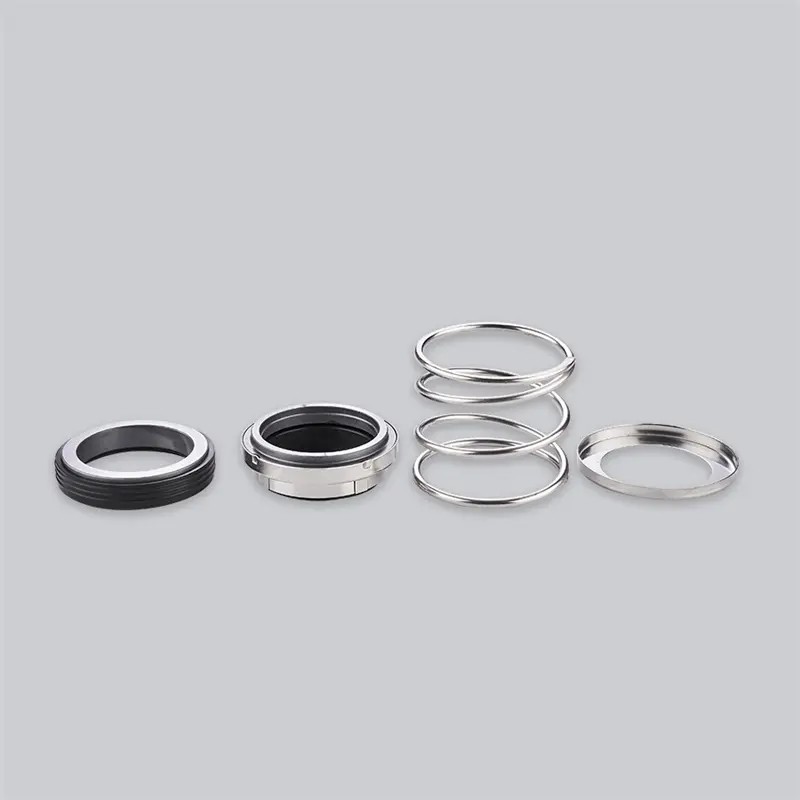
Before taking readings, confirm all core seal and pump components to know exactly what to measure:
- Shaft / shaft sleeve: The rotating part where the seal assembly mounts.
- Seal faces (rotating + stationary): The two precision-lapped mating surfaces that form the primary seal.
- Spring & retainer: Provides closing force to keep seal faces in contact.
- Seal chamber (stuffing box): The cavity in the pump housing where the seal installs.
- Secondary seals: O-rings, gaskets and elastomers that form static seals between components.
How to Measure a Mechanical Seal Step by Step
Step 1: Measure Shaft / Shaft Sleeve Outer Diameter
- Measure the outer diameter of the shaft (or shaft sleeve) at the exact position where the seal will sit.
- Take measurements at 3 points around the circumference to check for wear and verify roundness. Record the smallest diameter if the shaft is worn.
- Check for shaft runout (bending) with a dial indicator. Excessive runout will cause immediate seal failure, even with a perfectly sized seal.
Step 2: Measure Seal Chamber Bore & Depth
- Measure the inner diameter of the seal chamber bore at multiple points to confirm roundness.
- Use a depth gauge to measure the depth of the seal chamber from the gland mounting face to the back wall.
- These two dimensions determine whether the seal will fit physically and have correct working compression.
Step 3: Measure Seal Face Dimensions
- Rotating seal head: Measure the inside diameter of the seal bore with a caliper. Use a micrometer to check face width and thickness.
- Stationary seat: Measure the outside diameter and total thickness. Inspect the face for scratches, chips and wear.
- Check face flatness where possible. Even minor surface damage will cause leakage.
Step 4: Measure Spring & Assembly Working Length
- Measure the free length of the seal spring, and the wire diameter if replacing individual springs.
- Measure the full assembled working length of the seal to confirm it matches the available chamber depth. Incorrect working length will cause either over-compression or insufficient face load.
Step 5: Document All Information
- Record all dimensions clearly on a datasheet, including shaft OD, chamber bore and depth, seal face sizes, and spring length.
- Take clear photos of each component, and look for any original manufacturer part numbers or material markings on the seal.
- Share all measurements and photos with your seal supplier to confirm the correct replacement part.
Common Measurement Mistakes to Avoid
Even small measurement errors can lead to immediate seal failure. Watch for these most common mistakes:
| Measurement Mistake | Consequence | Resulting Failure Mode |
|---|---|---|
| Measuring worn shaft OD instead of original size | Seal ordered to match worn shaft; fails when shaft is resleeved | Seal bore does not fit new shaft/sleeve; leaks |
| Only measuring one seat diameter (no roundness check) | Oval or damaged seat is reused or reordered | Seal face rocks; cannot maintain contact; leaks shortly after install |
| Skipping seal chamber depth measurement | Seal working length does not fit available space | Gland bottoms out; spring over-compressed or faces cannot seat; immediate failure |
| Not checking shaft runout before ordering | New seal installed on bent shaft or bad bearings | Seal fails in days or weeks; often incorrectly blamed on seal quality |
| Tilting caliper inside the bore | Reads larger than actual size; oversized seal ordered | Seal bore too large; O-ring cannot seal; leaks on startup |
| Ignoring seal chamber bore damage | New seal O-ring sits in a scored or out-of-round bore | Leakage around stationary seat; mistaken as seal defect |
Pro Tip: Always double-check critical dimensions, and take readings at multiple points around circular parts. This catches ovality and wear that single-point measurements will miss.
Selecting the Correct Replacement Seal
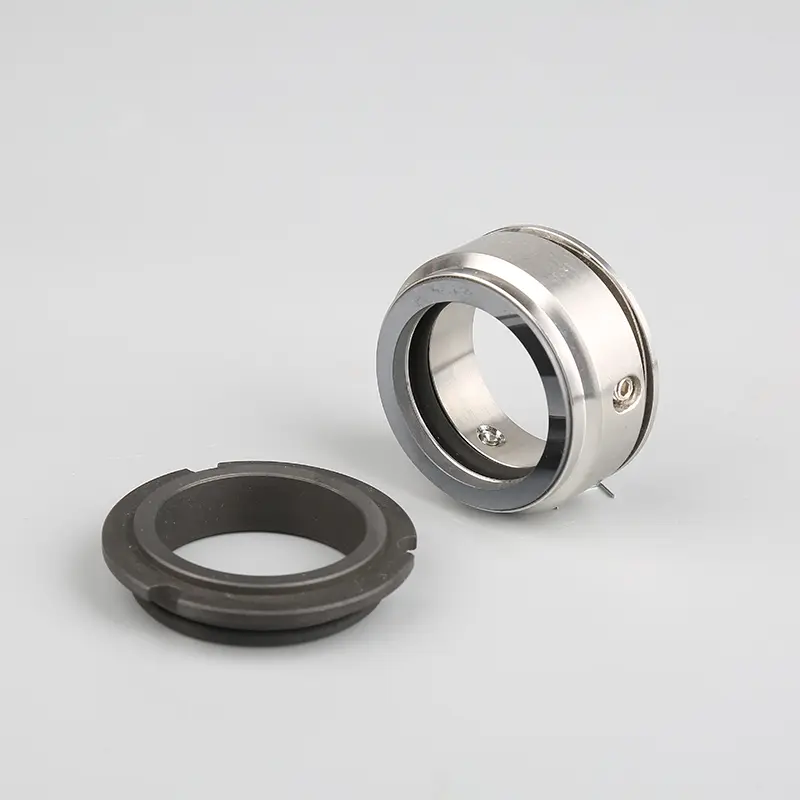
Once you have all dimensions, match them to a suitable replacement seal. Always confirm these additional application details with your supplier:
- Process fluid name and concentration
- Operating temperature and pressure range
- Fluid viscosity and solids content
- Equipment type and operating speed
Reputable seal manufacturers like Victor offer a full range of standard and custom mechanical seals compliant with API-682 and ISO 21049 standards, fitting most OEM pump models.
FAQ
What is the most important measurement for a mechanical seal?
Shaft diameter is the most fundamental measurement, as it determines the core fit of the seal. Seal chamber bore and depth are equally critical to ensure the assembly fits and operates with correct compression.
How do you size a mechanical seal if there is no part number?
Disassemble the seal, measure all critical dimensions (shaft OD, chamber bore/depth, seal face sizes, working length), and share the measurements plus application details with your seal supplier to identify a compatible replacement.
Can you measure a mechanical seal while it’s still installed?
You can measure shaft diameter and chamber bore on an installed pump, but full seal dimensions require disassembly. Never attempt to measure face dimensions or working length without removing the seal from the pump.
What tools do I need to measure a pump mechanical seal?
A digital caliper, outside micrometer and depth gauge are sufficient for most standard measurements. A dial indicator is also recommended to check for shaft runout.
Why do mechanical seal measurements need to be so precise?
Mechanical seals rely on micron-level flat face contact for leak-free operation. Even a 0.1mm dimensional error can cause incorrect compression, misalignment or poor O-ring sealing, leading to early failure.
Conclusion
Proper measurement is a simple but critical step that prevents the majority of mechanical seal installation failures. By following a structured procedure, using calibrated tools and checking for wear and roundness, maintenance teams can ensure a perfect fit, extend seal service life and reduce unplanned pump downtime.