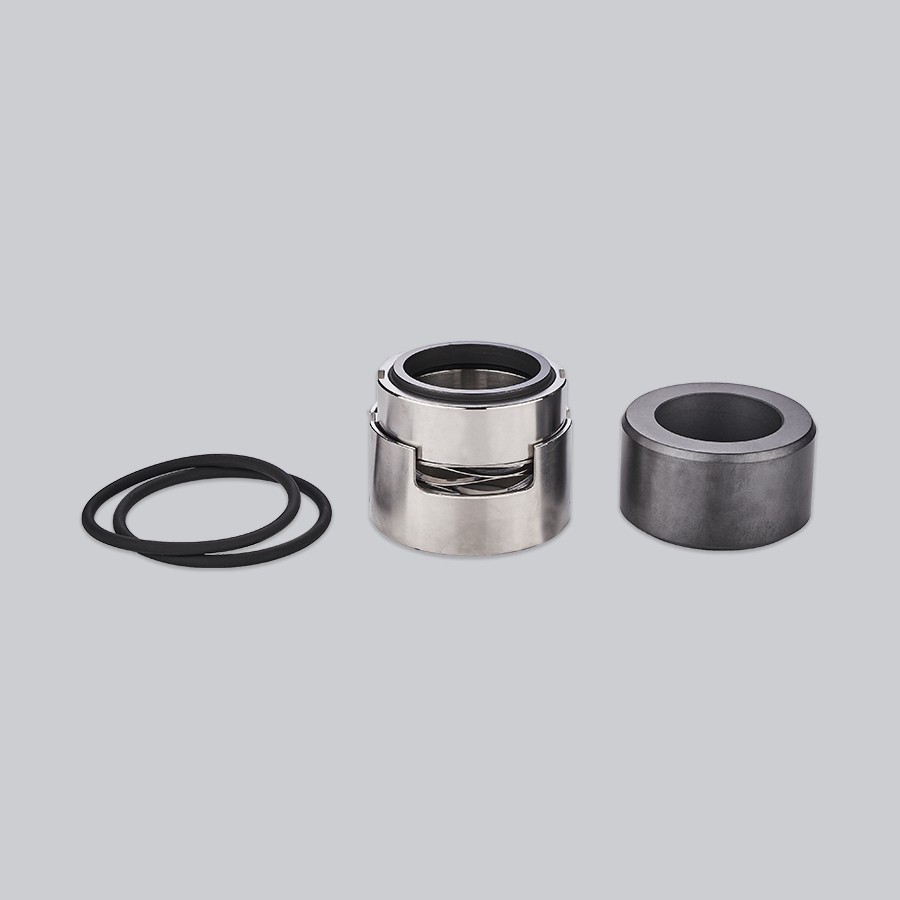
Mechanical seals are widely considered the industry standard for most industrial pumping applications. However, they also come with important limitations that engineers and plant managers must evaluate before making a selection. While mechanical seals provide superior sealing performance compared to traditional alternatives, their complex design, higher initial cost, and sensitivity to operating conditions can present significant operational challenges.
The following sections explore the main disadvantages of mechanical seals, how they affect system performance, and practical ways to reduce risks and improve reliability.
Key Takeaways
- Mechanical seals have higher upfront costs than packing seals due to complex manufacturing and specialized materials
- Skilled installation is critical—misalignment is the #1 cause of premature seal failure
- Regular maintenance is required to prevent costly repairs and unplanned downtime
- Mechanical seals are highly sensitive to shaft misalignment and vibration
- Proper material selection is essential to avoid chemical attack and extend service life
- While more expensive initially, mechanical seals often have lower total cost of ownership over time
High Initial Cost
Manufacturing and Material Costs
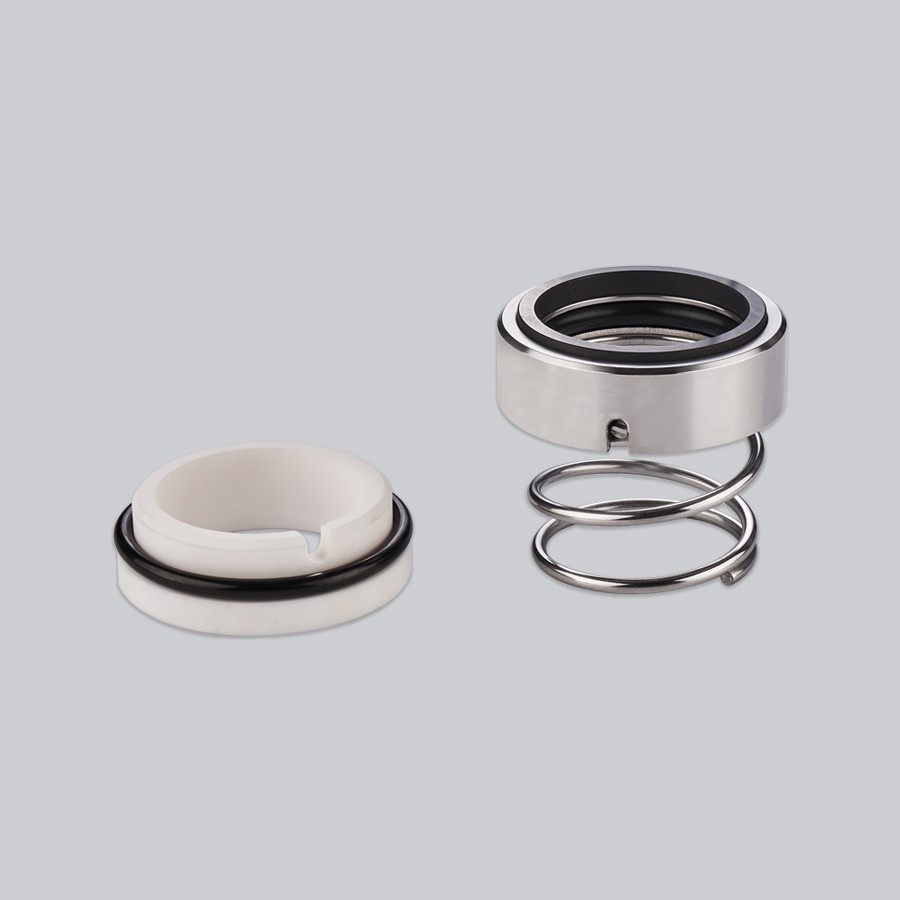
Mechanical seals require precision engineering and high-performance materials, resulting in significantly higher upfront costs than traditional packing seals. Premium materials like silicon carbide, tungsten carbide, and specialty elastomers are necessary to withstand harsh industrial conditions, but they add substantially to the price. Each material has its advantages and disadvantages.
| Material | Advantages | Disadvantages |
|---|---|---|
| Silicon Carbide | Very hard, excellent wear and corrosion resistance | Expensive, brittle and prone to impact damage |
| Tungsten Carbide | Tough, durable under high stress | Susceptible to corrosion in acidic environments |
| Carbon | Self-lubricating, good chemical resistance | Brittle, not suitable for abrasive conditions |
Complex designs like double mechanical seals or cartridge seals cost even more due to additional components and assembly labor. However, these advanced designs often provide better reliability and longer service life in demanding applications.
Total Cost of Ownership Comparison
While mechanical seals cost more upfront, they typically deliver lower total cost of ownership over 5+ years:
| Aspect | Mechanical Seal | Packing Seal |
|---|---|---|
| Initial Cost | Higher | Lower |
| Sealing Efficiency | Near-zero leakage | Allows small continuous leaks |
| Maintenance Frequency | Low | High |
| Average Lifespan | 2–5 years | 3–6 months |
| Energy Consumption | Lower | Higher (due to friction) |
| Environmental Impact | Minimal waste | More frequent replacement waste |
According to industry data, mechanical seals reduce maintenance costs by 30–50% and eliminate product loss from leakage, making them more economical for continuous operation.
Installation and Maintenance Complexity
Skilled Labor Requirements
Mechanical seals require precise installation by trained technicians. Even minor errors during assembly can lead to immediate leakage or premature failure. Critical installation factors include:
- Perfect shaft alignment (within 0.002 inches TIR)
- Proper gland face flatness and surface finish
- Correct spring compression
- Secondary seal integrity
Victor cartridge seals are designed to simplify installation. They come pre-assembled and pre-aligned from the factory, eliminating most common installation errors and reducing labor time by 50% or more.
Cost and Downtime Impact of Improper Installation
Improper installation is one of the leading causes of early mechanical seal failure, accounting for as much as 70% of issues in some cases. These failures often lead to unplanned downtime, which can result in significant production losses. In high-demand industries such as oil and gas, a single pump failure can exceed $100,000 in downtime and repair costs.
| Factor | Mechanical Seal Impact |
|---|---|
| Installation complexity | Requires precise and controlled installation procedures |
| Maintenance frequency | Less frequent but requires skilled technicians |
| Risk of leaks | Significantly increases if installation is incorrect |
| Downtime impact | Longer shutdowns due to complex replacement process |
Sensitivity to Misalignment and Vibration
Impact of Misalignment and Vibration
Mechanical seals rely on perfectly flat, parallel seal faces to maintain a leak-tight seal. Even small amounts of shaft misalignment or vibration can cause uneven wear, heat buildup, and seal failure.
The table below shows the effects of misalignment and vibration on mechanical seals:
| Effect | Description |
|---|---|
| Reduced Seal Performance | Seal faces cannot maintain proper contact, leading to leaks |
| Accelerated Component Degradation | Misalignment can reduce seal life by up to 70% |
| Decreased Efficiency | Increased friction and vibration waste energy |
Pumps operating above 1750 rpm are particularly susceptible to vibration-related seal damage. Rapid changes in operating conditions, such as start-stop cycles or pressure spikes, can also shock the seal faces and cause permanent damage.
Surface Finish and Installation Precision Requirements
Mechanical seals require extremely smooth, flat surfaces to function properly:
- Gland face flatness: Within 0.002 inches per inch of diameter
- Surface finish: 63–125 microinches Ra for standard applications; 16–32 microinches Ra for critical services
Common installation errors and their consequences:
| Error Type | Symptoms | Consequences |
|---|---|---|
| Cocked Assembly | Seal installed at an angle | Uneven pressure, rapid wear, vibration, and leakage |
| Incomplete Seating | Gap between seal and shoulder | Incorrect spring force, misalignment, and immediate leaks |
| Damaged Secondary Seal | Visible damage during installation | Catastrophic seal failure and product loss |
Wear, Leakage, and Service Life Issues in Mechanical Seals
Impact of Harsh Operating Conditions
Mechanical seals are highly sensitive to operating conditions and can degrade rapidly under extreme environments:
- High temperatures accelerate elastomer degradation and can lead to seal face distortion
- Abrasive particles in process fluids cause surface scratching and increase wear rates
- Dry running results in rapid overheating and can destroy seal faces within seconds
- Cavitation generates pressure fluctuations that erode seal components over time
| Operating Condition | Effect on Mechanical Seals |
|---|---|
| Elevated fluid temperature | Elastomer degradation, seal face distortion, increased leakage |
| Contaminated process fluids | Seal face damage, accelerated wear, and leakage |
| Off-design pump operation | Increased vibration, loss of lubrication film, seal face damage |
| Dry running | Rapid overheating, seal face failure, immediate shutdown |
Replacement Frequency and Downtime
Mechanical seal failures contribute significantly to operational losses, with industry estimates suggesting over $128 million annually in unplanned downtime and repair costs across global process industries.
Although mechanical seals typically last longer than traditional packing seals, replacement is more complex. It often requires complete pump disassembly, skilled labor, and extended downtime.
Wear and leakage are usually the result of multiple contributing factors, including design, installation, operation, and maintenance practices. The table below outlines common failure causes and their consequences:
| Failure Category | Common Causes | Resulting Issue |
|---|---|---|
| Design Errors | Incorrect material or specification selection | Cracking, leakage, deformation |
| Installation Errors | Misalignment, contamination during assembly | Vibration, uneven wear, premature failure |
| Operational Errors | Dry running, cavitation, pressure spikes | Overheating, seal face damage |
| Maintenance Errors | Inadequate inspection, improper cleaning | Abrasion, cracking, increased leakage |
Troubleshooting and Repair Challenges
Difficult Fault Diagnosis
Diagnosing mechanical seal failures can be complex, as many different issues produce similar symptoms. Technicians must use specialized tools and expertise to identify the root cause:
- Thermal imaging to detect hot spots
- Vibration analysis to identify misalignment
- Visual inspection of seal faces for wear patterns
- Analysis of process fluid for contamination
Common seal failure modes and their causes:
| Failure Mode | Appearance | Root Cause |
|---|---|---|
| Heat Checking | Radial cracks on seal faces | Inadequate lubrication or cooling |
| Grooving | Wear tracks on seal faces | Abrasive particles in process fluid |
| Coking | Black carbon deposits on seal faces | Excessive heat or contaminated flush |
| Chemical Attack | Pitting or corrosion of seal faces | Incompatible material selection |
| Blistering | Raised spots on seal faces | Thermal shock or fluid absorption |
Limited On-Site Repair Options
Most mechanical seal repairs cannot be performed effectively on-site. Complex designs require specialized tools, clean environments, and trained technicians. Simple component seals may be repairable in the field, but cartridge seals and double seals typically require factory refurbishment.
Compatibility and Design Constraints
Fluid and Material Compatibility Issues
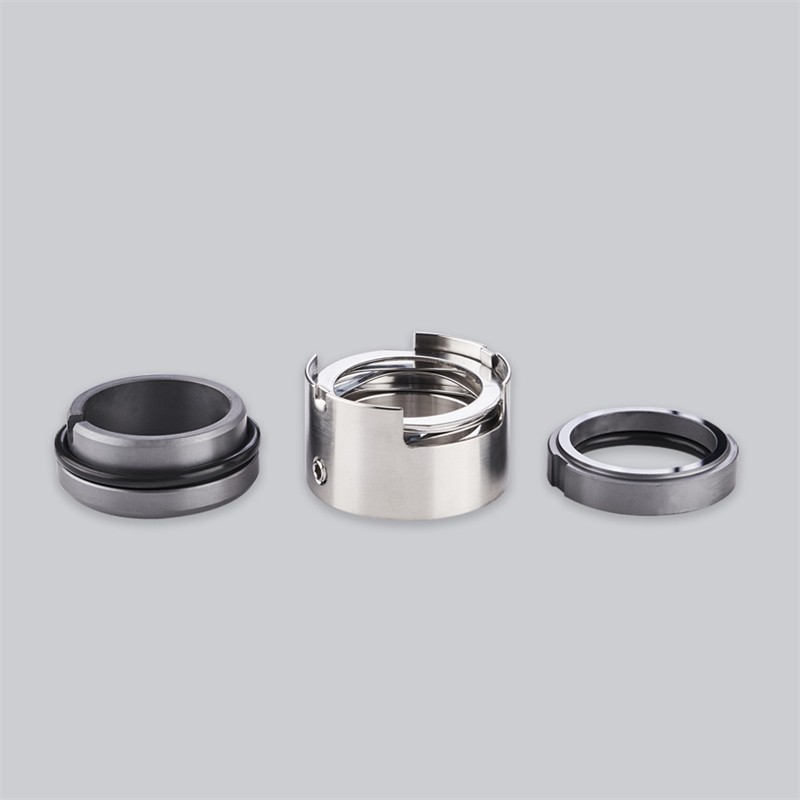
Mechanical seals must be carefully matched to the process fluid. Incompatible materials can lead to rapid degradation and catastrophic failure:
| Elastomer | Incompatible Fluids | Effects | Recommendation |
|---|---|---|---|
| EPDM | Petroleum fuels, long-chain hydrocarbons | Swelling, loss of stiffness, leakage | Use NBR/HNBR, FKM, or FFKM |
| FKM/Viton® | High-pH (alkaline) fluids | Compression set, surface cracking | Use EPDM for alkaline media |
| FKM/Viton® | Acetates, acrylates | Swelling, softening, early leakage | Use PTFE or FFKM |
Space and Equipment Design Limitations
Mechanical seals require adequate space in the seal chamber for proper operation. Older equipment may have limited clearance, making it difficult or impossible to install modern mechanical seals without modifications. Additional space may also be required for flush lines, cooling systems, or barrier fluid systems.
Conclusion
Mechanical seals come with several inherent disadvantages, including higher upfront costs, complex installation requirements, and sensitivity to operating conditions. However, these challenges can be effectively minimized through proper material selection, precise installation, and consistent maintenance practices.
For most industrial applications, the advantages of mechanical seals—such as superior sealing performance, extended service life, and reduced environmental impact—generally outweigh these limitations. By selecting high-quality seals from reputable manufacturers like Victor and following proven installation and maintenance practices, operators can maximize reliability, extend service life, and reduce unplanned downtime.
FAQ
What is the main reason people choose mechanical seals despite their disadvantages?
Mechanical seals provide near-zero leakage, which is critical for safety, environmental compliance, and cost control. They also reduce energy consumption and require less frequent maintenance than packing seals.
Are mechanical seals worth the higher upfront cost?
For most continuous industrial applications, yes. While mechanical seals cost 2–3 times more initially, they last 5–10 times longer than packing seals and eliminate product loss from leakage. Over the equipment’s lifespan, they almost always have a lower total cost of ownership.
Can mechanical seals work with any type of fluid?
No. Mechanical seals must be specifically engineered for the process fluid. Abrasive slurries, strong acids, and high-temperature fluids require specialized materials and designs. Always consult with a seal expert to ensure proper material selection.
How often should mechanical seals be inspected?
Mechanical seals should be inspected every 3–6 months as part of a regular preventive maintenance program. Critical applications may require more frequent monitoring. Early detection of issues can prevent catastrophic failures and costly downtime.
Are mechanical seals hard to install?
Traditional component seals require highly skilled technicians for proper installation. However, cartridge seals—like those offered by Victor—come pre-assembled and pre-aligned, making installation fast and error-free even for less experienced personnel.