A mechanical seal is a critical shaft sealing device used in rotating pumps to prevent liquid or gas from leaking along the pump shaft. By creating a reliable seal between the rotating shaft and the stationary pump housing, it keeps process fluids contained, improves pump efficiency, and helps protect equipment from contamination and premature wear. High-quality mechanical seals from experienced mechanical seal manufacturers, such as Victor, are engineered to provide reliable sealing performance and long service life in demanding industrial applications.
Key Takeaways
- Mechanical seals prevent fluid leakage where the pump shaft passes through the housing, improving pump efficiency and reliability.
- They use precision sealing faces, springs, and secondary seals to create a durable, low-leakage sealing system.
- Compared with traditional gland packing, mechanical seals greatly reduce leakage, maintenance needs, and product loss.
- Different seal materials are selected to withstand specific operating conditions, including water, chemicals, food products, and abrasive fluids.
- Mechanical seals are widely used in industrial, water treatment, chemical, food processing, mining, and power generation pumps to improve safety, equipment life, and operational performance.
How Pump Mechanical Seals Work
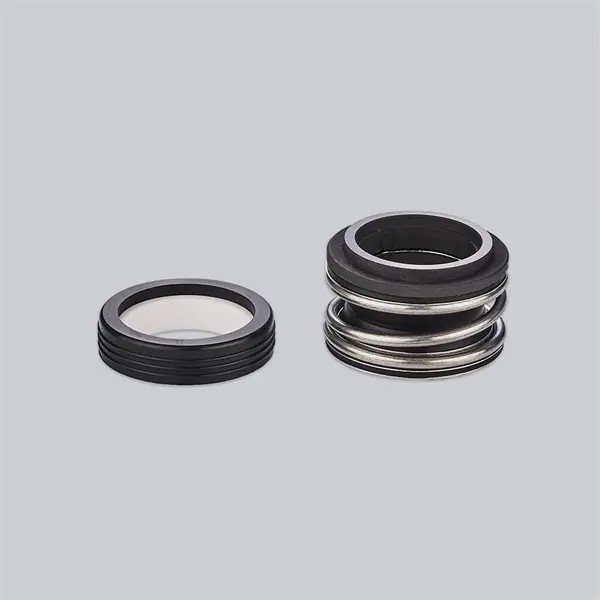
Mechanical seals are mounted at the point where the drive shaft passes through the pump housing, and are the primary solution for controlling shaft-end leakage.
Key Components
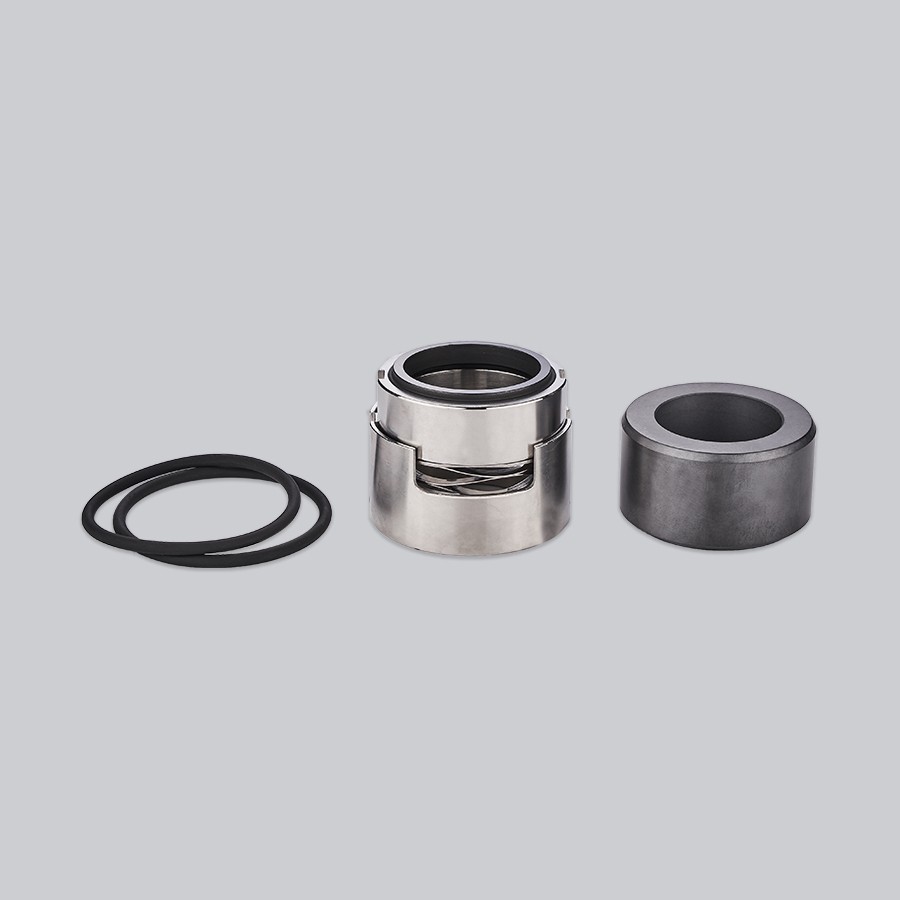
A mechanical seal consists of several core components, each serving a specific sealing function:
| Component | Description | Common Materials |
|---|---|---|
| Primary ring | Rotating sealing face that controls leakage, attached to the shaft | Carbon, Silicon Carbide, Tungsten Carbide |
| Mating ring | Stationary face with an ultra-smooth surface, fixed to the pump housing | Carbon, Silicon Carbide, Tungsten Carbide |
| Springs | Maintain consistent face contact when there is no system pressure | Stainless Steel, High-strength Alloy |
| Secondary seals | Block leakage around the primary and mating rings | Elastomers (Viton, EPDM) |
The primary ring rotates with the pump shaft, while the mating ring remains stationary inside the pump cavity. Spring force and fluid pressure push the two faces together to form a tight sealing barrier.
Victor selects application-specific materials for each component: carbon works well for water-based fluids; silicon carbide and tungsten carbide offer superior wear and corrosion resistance for heavy-duty applications and longer service life.
Sealing Principle
Mechanical seals operate on the principle of face-to-face contact sealing. The rotating and stationary faces are held tightly together by spring force and system pressure. A thin film of process fluid forms between the two faces to lubricate and cool the sealing surfaces, while also blocking fluid from escaping.
This design produces only minimal leakage — measured in milliliters per day — which is up to 90% lower than traditional gland packing. This keeps the work area clean, safe and free of process fluid buildup.
Tip: Regular inspection and correct installation maximize seal service life and performance.
Mechanical seals are available in standard off-the-shelf designs and custom configurations for specialized applications. Victor also provides OEM mechanical seal solutions, helping customers customize seal designs, materials, and dimensions for specific operating conditions.
Why Mechanical Seals Are Used in Pumps
Leak Prevention
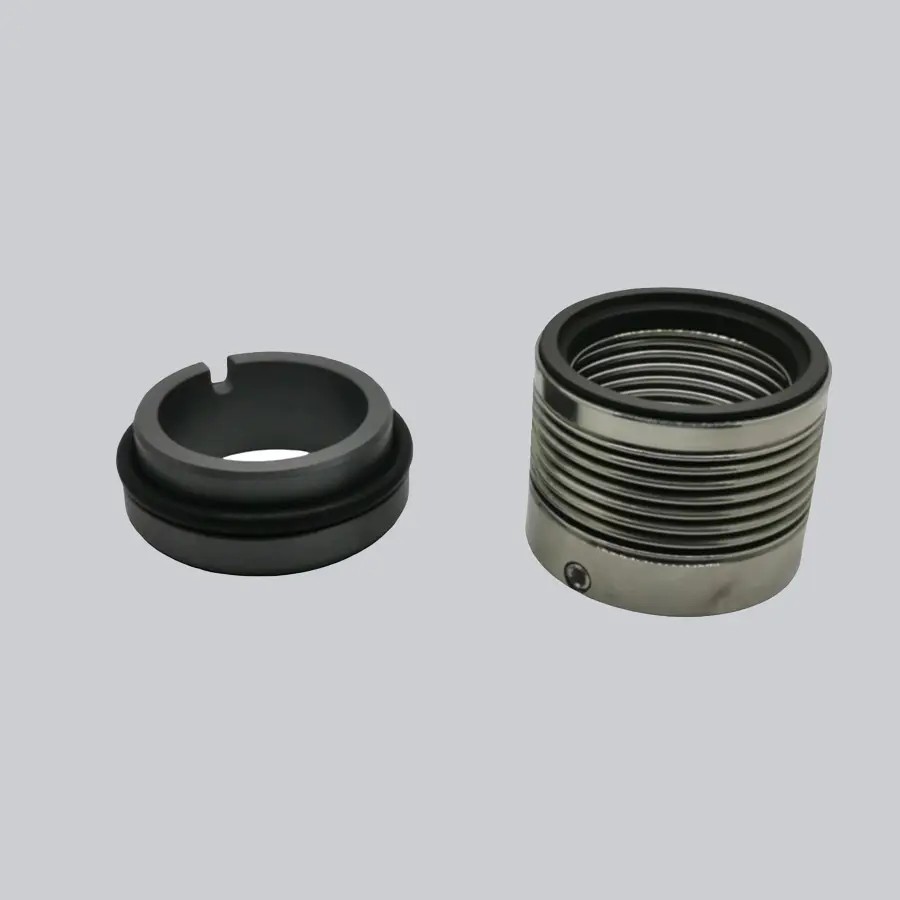
Superior leak control is the primary reason mechanical seals are used in pumps. Unlike traditional gland packing, which requires continuous dripping for lubrication and cooling, mechanical seals use precision-lapped sealing faces and a thin fluid film to minimize leakage while maintaining reliable operation.
High-quality mechanical seals are manufactured with wear-resistant materials and precision engineering to deliver long service life and consistent sealing performance, while meeting recognized international quality and safety standards:
| Application Area | Certification/Standard |
|---|---|
| Pharmaceutical & Food | FDA, USP Class VI |
| Oil and Gas | API 682 |
Across chemical and marine applications, seals help facilities comply with regulations such as MARPOL and IMO, preventing ocean and air pollution from fluid leaks. They also reduce the risk of water contamination and food product adulteration.
Note: Selecting the right seal ensures safe pump operation and helps companies meet workplace safety and environmental compliance requirements.
Improved Reliability
Mechanical seals deliver greater pump reliability and longer service life than packing. They maintain a tight seal even at high shaft speeds, and handle heat and friction better than soft packing materials. This means fewer pump repairs and longer equipment service life.
Key reliability benefits include:
- Lower risk of leaks and product contamination for safer operation
- Proven performance in harsh settings such as oil fields and chemical plants
- Longer service intervals than packing, reducing maintenance labor
- Lower total cost of ownership through reduced product waste and repair expenses
Mechanical seals are trusted across oil and gas, water treatment, HVAC, petrochemical, food processing, chemical, mining and power generation industries. Some operations also use sensor monitoring to track seal condition and address issues before they cause failure.
Tip: Reliable seals mean less downtime and fewer emergency repairs, reducing costs and improving workplace safety.
Where Pump Mechanical Seals Are Used
Industrial Process Pumps
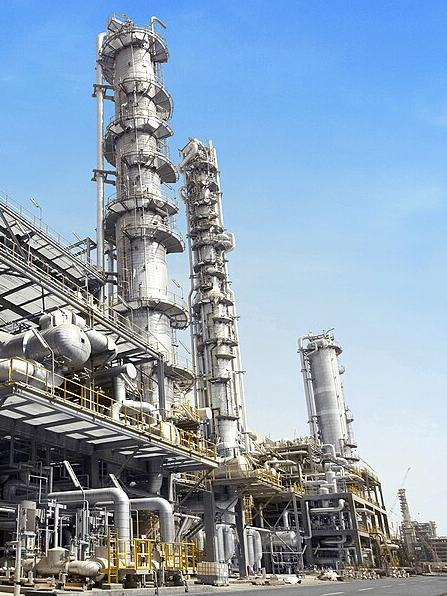
Mechanical seals are widely used in industrial process pumps that handle corrosive chemicals, slurries, oils, solvents, and other demanding process fluids. These pumps often operate under high pressure, elevated temperatures, and continuous-duty conditions, making reliable sealing essential to prevent leaks, protect equipment, and maintain production efficiency.
Common applications include chemical processing, petrochemical plants, mining operations, pulp and paper production, and power generation. In these environments, properly selected mechanical seals help reduce product loss, improve workplace safety, and minimize unplanned downtime.
Tip: Operating pumps within their rated conditions and avoiding dry running can significantly extend mechanical seal service life.
Water, Chemical, and Food Processing Pumps
Mechanical seals are equally important in water treatment, chemical processing, and food and beverage pumps, where preventing contamination and maintaining fluid purity are critical. They provide reliable sealing while meeting the hygiene, corrosion resistance, and durability requirements of different industries.
Depending on the application, mechanical seals may use different materials to withstand varying fluids and operating conditions:
- Carbon, ceramic, silicon carbide, or tungsten carbide seal faces for excellent wear resistance
- Application-specific O-rings and elastomers for chemical compatibility
- Stainless steel metal components for corrosion resistance and long service life
- Precision springs and drive components to maintain stable sealing pressure
Manufacturers such as Victor offer mechanical seals designed for demanding water, chemical, and food processing applications, using durable materials and precision manufacturing to deliver reliable long-term sealing performance.
Note: With proper installation and operating conditions, pump mechanical seals typically provide 1–5 years of service, depending on the seal design, operating environment, and maintenance practices.
FAQ
What does a mechanical seal do in a pump?
A mechanical seal prevents liquid or gas from leaking out at the point where the pump shaft passes through the housing. It supports safe pump operation and keeps the work area clean and free of process fluid.
How long does a mechanical seal last?
Most mechanical seals last between 1 and 5 years. Actual service life depends on pump type, fluid properties, operating conditions and the quality of ongoing maintenance.
Can Victor mechanical seals handle chemicals?
Yes. Victor designs seals to resist aggressive chemicals, using high-performance materials such as silicon carbide and Viton. These seals perform reliably in chemical plants and other harsh industrial environments.
How can workers tell if a mechanical seal is failing?
Common warning signs include increased visible leakage, unusual noise from the pump seal end, or higher pump housing temperatures. Regular inspection helps spot problems early before they cause major downtime.
Why choose Victor mechanical seals?
With over 27 years of manufacturing experience, Victor produces high-quality seals that pass strict performance tests including thermal cycling (CTB) testing. They use premium materials and deliver reliable, long-lasting performance across a wide range of industries and operating conditions.