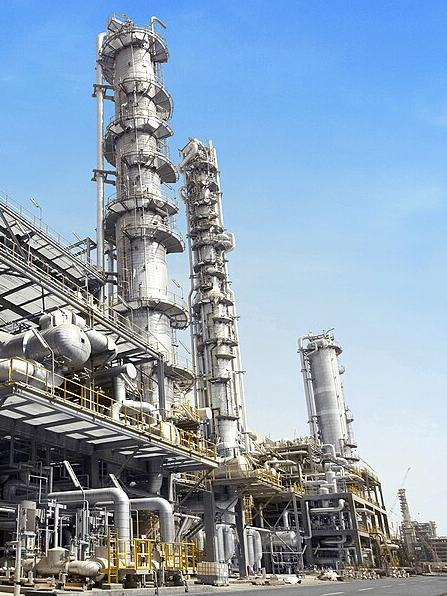
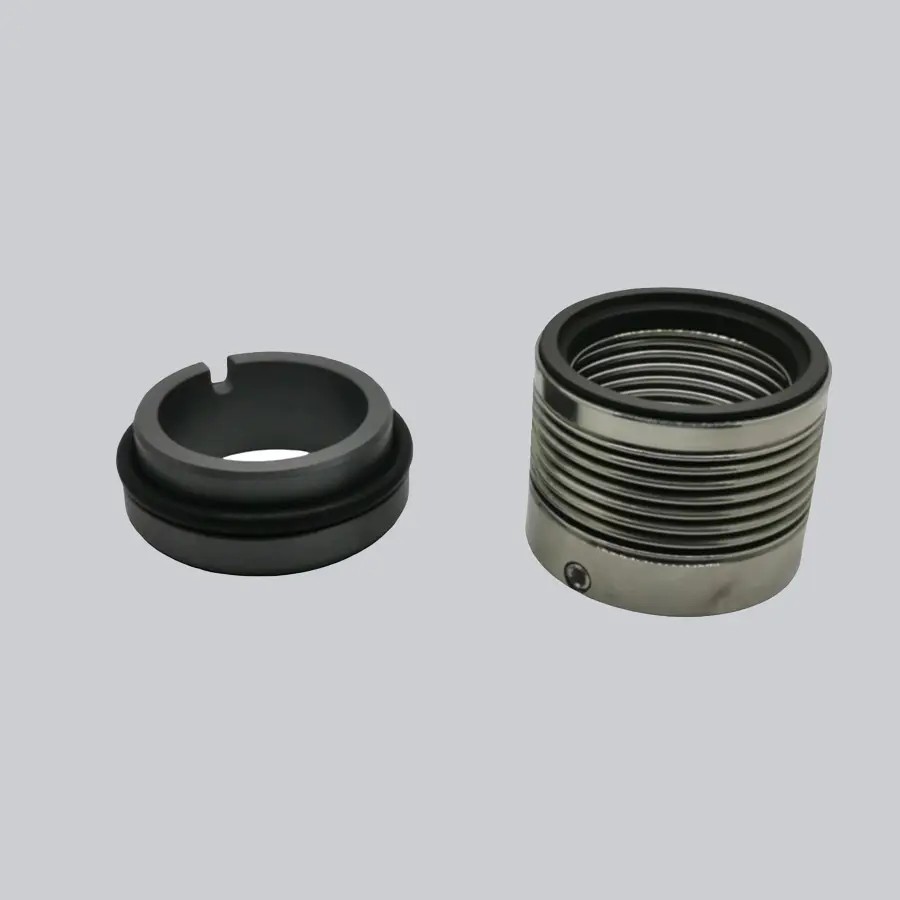
PTFE bellows seals and metal bellows seals are the top recommendations for corrosive fluid applications. PTFE bellows offer superior chemical resistance, while metal bellows excel in extreme temperature conditions.
Choosing the right mechanical seal for corrosive fluids is critical to prevent leaks, protect equipment and ensure worker safety. Victor offers a complete range of corrosion-resistant mechanical seals engineered to handle the harshest industrial environments.
Key Takeaways
- PTFE bellows seals provide excellent chemical resistance to acids, alkalis and solvents
- Metal bellows seals are ideal for extreme temperatures (-40°C to +400°C) and high-pressure applications
- Cartridge seals reduce installation errors and improve safety in hazardous environments
- Always match seal materials to the specific fluid chemistry and operating conditions
- Regular inspection and maintenance extend seal life and prevent costly downtime
Recommended Mechanical Seals for Corrosive Fluids
PTFE Bellows Seals
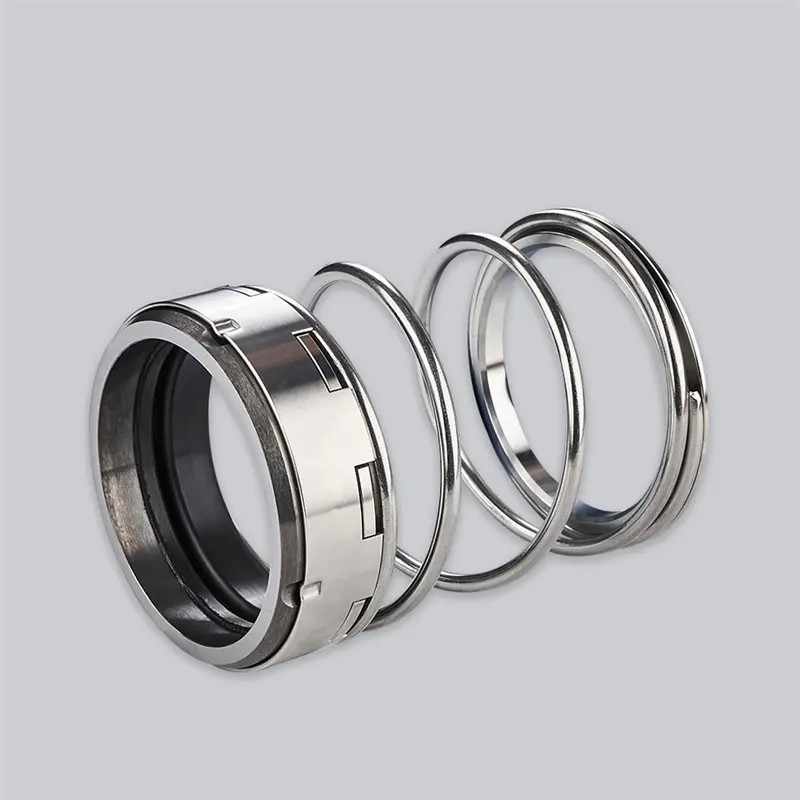
PTFE bellows seals are the most widely used seals for corrosive fluid service. They feature a one-piece PTFE bellows that eliminates the need for dynamic O-rings and metal springs, which are common points of corrosion failure.
Key Advantages:
- Excellent chemical resistance to almost all acids, alkalis and solvents
- No dynamic O-rings to wear or degrade
- Self-cleaning design prevents clogging
- Absorbs shaft misalignment and vibration
- No springs to corrode or fatigue
Limitations:
- Temperature range: -20°C to +200°C (pure PTFE); up to 260°C (filled PTFE)
- Lower pressure rating compared to metal bellows
- Less rigid than metal designs
Best For: Chemical processing, wastewater treatment, chlorine handling, pharmaceutical production
Metal Bellows Seals
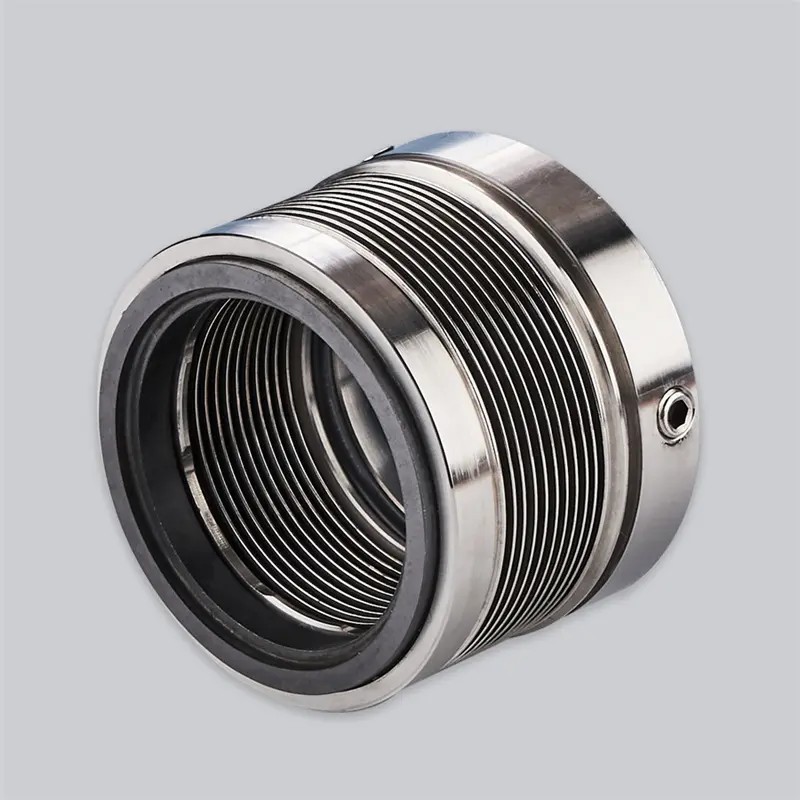
Metal bellows seals are used for corrosive applications that require high temperature or high pressure capability. They are manufactured from corrosion-resistant alloys such as Hastelloy and Inconel.
Key Advantages:
- Wide temperature range: -40°C to +400°C
- High pressure capability
- Excellent corrosion resistance
- No dynamic O-rings
- Suitable for high-speed applications
Common Alloys:
- Hastelloy C: Standard for API 682 applications; excellent all-around corrosion resistance
- Inconel 718: Best for high temperature and high pressure conditions
- Alloy 20: Excellent resistance to sulfuric acid and other strong acids
Best For: High-temperature chemical processing, oil and gas refining, power generation
Cartridge Seals
Cartridge seals are pre-assembled units that include the seal faces, sleeve and gland. They are the safest and easiest option for corrosive fluid applications.
Key Advantages:
- Eliminates installation errors
- Reduces maintenance time
- Improves worker safety
- Can be configured as double seals for hazardous fluids
- Consistent performance
Best For: Toxic, flammable or explosive fluids; high-risk applications; facilities with limited maintenance expertise
Double Seals
Double mechanical seals use two sets of seal faces with a barrier fluid between them. They provide an extra layer of protection against leaks and are required for handling dangerous or toxic chemicals.
Best For: Highly toxic fluids, carcinogens, explosive materials, zero-emission requirements
PTFE vs Metal Bellows Seals Comparison
| Feature | PTFE Bellows Seals | Metal Bellows Seals |
|---|---|---|
| Chemical Resistance | Excellent | Good to Excellent (depends on alloy) |
| Temperature Range | -20°C to +260°C | -40°C to +400°C |
| Pressure Range | Up to 16 bar | Up to 100 bar |
| Flexibility | Very high | Moderate |
| Cost | Low to medium | High |
| Best For | General corrosive service | Extreme temperature/pressure |
Best Materials for Corrosive Service
Seal Faces
| Material | Chemical Resistance | Key Benefits |
|---|---|---|
| Silicon Carbide (SiC) | Excellent | High thermal conductivity, abrasion resistance |
| Direct Sintered SiC | Very High | Purest form, suitable for most corrosive applications |
| Resin-Impregnated Carbon | Good | Self-lubricating, low friction |
| Tungsten Carbide (TC) | Moderate | High strength, good for vibrating pumps |
Elastomers
| Elastomer | Chemical Resistance | Temperature Range |
|---|---|---|
| FFKM | Excellent | -20°C to +320°C |
| FKM (Viton) | Good | -20°C to +200°C |
| EPDM | Good | -50°C to +150°C |
| NBR | Fair | -40°C to +120°C |
💡 Pro Tip: FFKM is compatible with over 1,800 chemicals and solvents, making it the best choice for severe corrosive applications.
Metal Components
- Hastelloy C: Superior corrosion resistance to most acids and chlorides
- Inconel 718: Excellent high-temperature strength and corrosion resistance
- Alloy 20: Specifically designed for sulfuric acid applications
- 316L Stainless Steel: General purpose corrosion resistance
How to Select the Right Seal
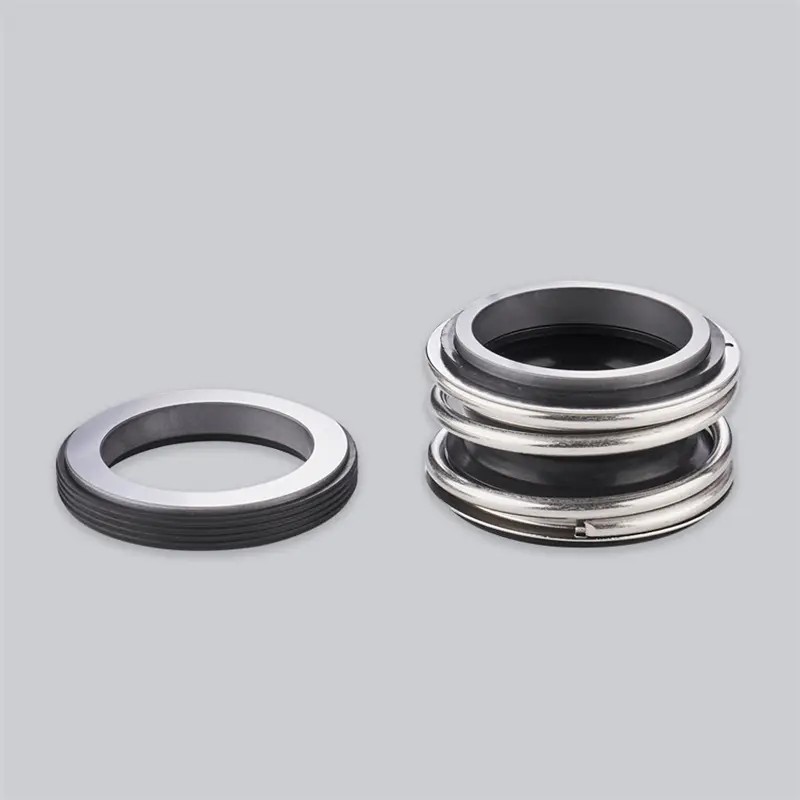
1. Fluid Chemistry
The most important factor is the chemical compatibility of the seal materials with the pumped fluid. Always consult a chemical compatibility chart before making a selection.
2. Operating Conditions
- Temperature: Select materials rated for the maximum operating temperature
- Pressure: Higher pressures require more rigid seal designs
- Shaft Speed: High speeds require balanced seal designs
- Solids Content: Abrasive solids require hard seal face materials
3. Safety Requirements
- Use double seals for toxic or hazardous fluids
- Select cartridge seals to minimize installation errors
- Ensure compliance with industry standards such as API 682
Industry-Specific Recommendations
- Chemical Processing: PTFE bellows seals with SiC faces and FFKM elastomers
- Pharmaceutical Production: Sanitary cartridge seals with FDA-approved materials
- Wastewater Treatment: PTFE bellows seals with carbon/SiC faces
- Oil and Gas Refining: Metal bellows seals (API 682 compliant) with Hastelloy components
Conclusion
Selecting the right mechanical seal for corrosive fluids requires balancing chemical compatibility, temperature, pressure, and maintenance requirements. PTFE bellows seals are often preferred for aggressive chemical service, while metal bellows and cartridge seals provide reliable performance in demanding industrial environments.
For equipment manufacturers, engineering contractors, chemical plants, and industrial end users, choosing the correct seal design and material combination can significantly improve equipment reliability and reduce unplanned downtime. Victor supplies a wide range of corrosion-resistant mechanical seals and provides application-based support for OEM projects, equipment upgrades, and industrial sealing solutions across multiple industries.
FAQ
What makes PTFE bellows seals good for corrosive fluids?
PTFE is chemically inert and resistant to almost all acids, alkalis and solvents. The bellows design eliminates dynamic O-rings and springs, which are common points of corrosion failure.
What is the difference between PTFE and metal bellows seals?
PTFE bellows seals offer better chemical resistance at lower temperatures, while metal bellows seals can handle much higher temperatures and pressures.
How often should mechanical seals be inspected in chemical plants?
Mechanical seals should be inspected every 3-6 months as part of a regular maintenance program. Early detection of wear can prevent catastrophic failures.
Can mechanical seals handle both high temperature and strong chemicals?
Yes. Metal bellows seals manufactured from Hastelloy or Inconel can handle both high temperatures and strong corrosive chemicals.
Where can I get expert advice on seal selection for corrosive fluids?
Victor’s team of seal specialists can provide customized recommendations based on your specific application and operating conditions.