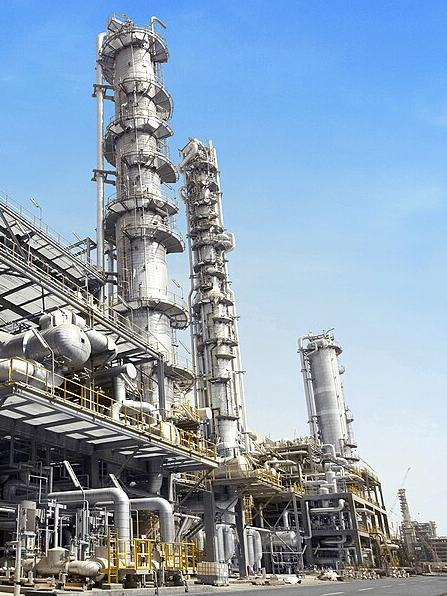

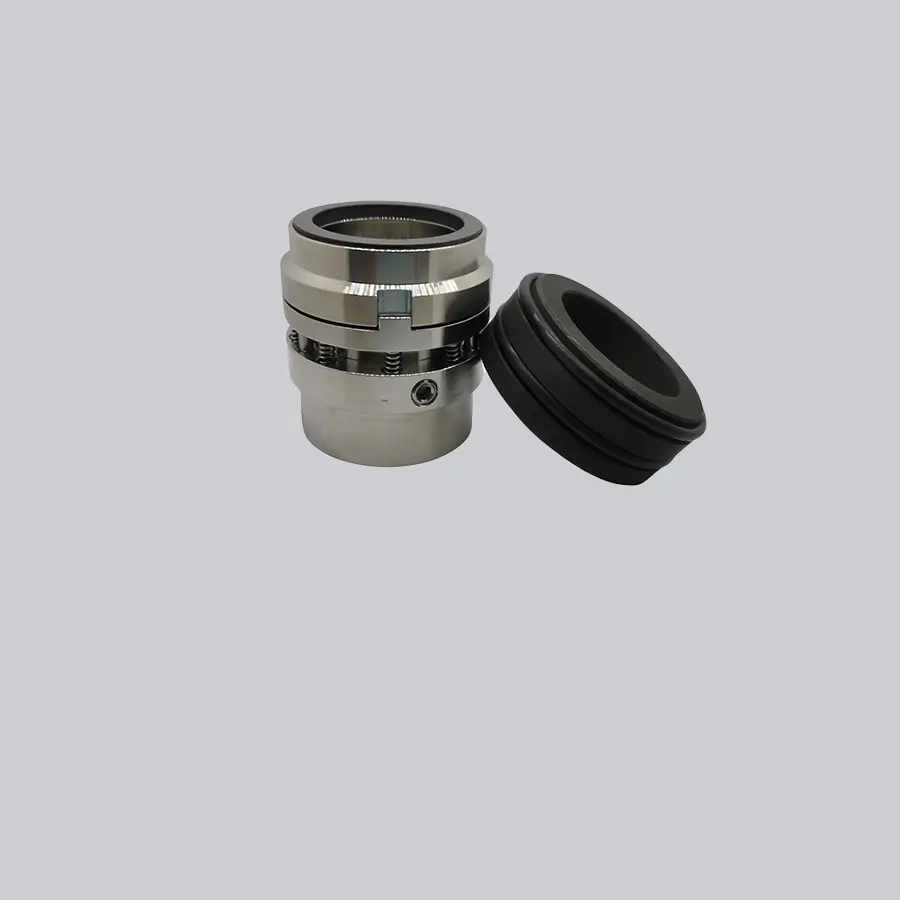
A silicon carbide (SiC) seal is a high-performance mechanical sealing component made from ultra-hard silicon carbide ceramic, designed to create a tight, leak-proof barrier in pumps, compressors and rotating machinery. Prized for exceptional hardness, wear resistance, thermal conductivity and chemical stability, silicon carbide seals outperform traditional seal materials in harsh operating conditions where standard carbon, ceramic or tungsten carbide seals fail prematurely.
Key Takeaways
- Silicon carbide ranks 9–9.5 on the Mohs hardness scale, making it one of the hardest seal materials available with outstanding abrasion resistance.
- Excellent thermal conductivity dissipates frictional heat quickly, preventing thermal distortion and extending seal life in high-temperature applications.
- High-purity sintered silicon carbide resists attack from most acids, alkalis and corrosive process fluids, making it ideal for chemical processing.
- Proper installation and periodic inspection reduce unplanned downtime and lower total ownership costs over the seal’s service life.
- Victor mechanical seals are widely trusted across heavy industries, with SiC seal faces engineered for direct compatibility with major OEM pump brands.
Material Science: Properties and Classifications of SiC Seals
Core Material Properties & Performance
Silicon carbide’s superior performance stems from its intrinsic material properties. Key physical and mechanical metrics include:
| Property | Typical Value | Significance |
|---|---|---|
| Mohs Hardness | 9 – 9.5 | Extremely scratch and abrasion resistant; outlasts tungsten carbide and alumina |
| Vickers Hardness | ~32 GPa | Maintains flat seal faces under high contact pressure |
| Thermal Conductivity | ~120 W/m·K | Rapidly removes frictional heat; reduces thermal deformation |
| Flexural Strength | ~490 MPa | Resists cracking under mechanical load and pressure shock |
| Fracture Toughness | ~6.8 MPa·√m | Good resistance to crack propagation under impact or thermal shock |
| Maximum Service Temperature | Up to 2,600°C (in inert atmosphere) | Stable at far higher temperatures than most polymer or metal seal materials |
| Density | 3.21 g/cm³ | Low weight reduces rotational inertia and energy loss |
Compared to other common seal face materials:
- Tungsten carbide (Mohs 8.5–9): Good hardness but lower chemical resistance and higher density
- Alumina ceramic: Lower cost but significantly lower fracture toughness and thermal conductivity
- Carbon/graphite: Self-lubricating but very low wear resistance in abrasive or high-pressure service
Common Types of Silicon Carbide Seals
Silicon carbide seal faces are manufactured via different processes, each suited to specific operating conditions:
- Sintered Silicon Carbide (SSiC) Produced from 99.999% pure SiC powder with no free silicon phase. Delivers the highest chemical resistance and corrosion stability, making it the premium choice for strong acids, alkalis and highly corrosive process fluids.
- Reaction-Bonded Silicon Carbide (RBSiC) Contains residual free silicon in the microstructure. Offers good mechanical strength and wear resistance at a lower cost, but has reduced corrosion resistance in strong acidic or caustic environments. Best for water-based, neutral or moderately corrosive services.
- Graphite-Loaded Silicon Carbide Formulated with embedded graphite particles for built-in dry-run lubrication. Reduces friction and lowers the risk of face damage during brief dry-running conditions. A common grade is VSG1, ideal for applications where liquid lubrication may be intermittent.
How Silicon Carbide Mechanical Seals Work
Basic Operating Principle
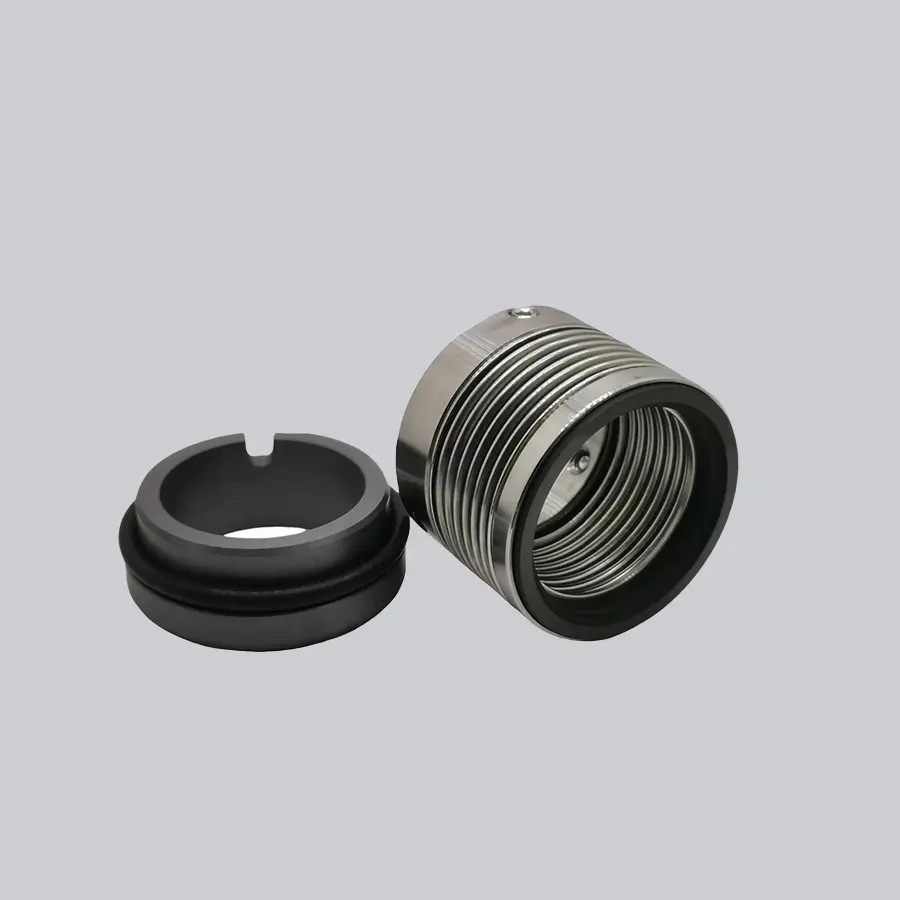
A mechanical seal creates a fluid-tight barrier between the rotating shaft and stationary pump housing. It consists of two precision-lapped faces:
- A stationary face mounted to the pump casing
- A rotating face fixed to the shaft
- Spring loading maintains consistent face contact pressure
Silicon carbide is used for one or both seal faces. Its ultra-flat, mirror-smooth surface minimizes leakage, while its extreme hardness preserves face flatness over thousands of operating hours. During normal operation, a thin lubricating film of process fluid forms between the faces, reducing friction and carrying away heat.
Why SiC Improves Seal Performance
- Lower friction: Hard, smooth SiC faces generate less frictional heat than softer materials, reducing energy consumption and extending service life.
- Better heat dissipation: High thermal conductivity moves heat away from the seal gap rapidly, preventing fluid vaporization and face distortion.
- Superior wear resistance: Abrasive particles in the process fluid cause far less surface damage, which is critical for mining, slurry and wastewater applications.
SiC Seals in Action: Applications and Maintenance
Key Industrial Applications
Silicon carbide seals are specified for demanding operating environments across multiple sectors:
| Industry | Operating Challenge | SiC Seal Advantage |
|---|---|---|
| Chemical & Petrochemical | Corrosive acids, alkalis and solvents | High chemical resistance of SSiC prevents degradation and leakage |
| Water & Wastewater Treatment | Abrasive particles, mild corrosion | High wear resistance extends service intervals; reduces maintenance |
| Mining & Slurry Handling | High solid content, severe abrasion | Extreme hardness resists abrasive wear far better than carbon or tungsten carbide |
| Power Generation | High temperatures, high pressure | Thermal stability maintains sealing performance under heat cycling |
| Gas Turbines & Engines | Extreme heat, high rotational speed | High-temperature stability and low weight support reliable high-speed operation |
Service Life & Maintenance Best Practices
Expected service life varies by design and operating conditions. Under typical clean, moderate-temperature pump service:
- Single spring SiC seals: 1–2 years
- Cartridge SiC seals: 2–4 years
- Bellows-style SiC seals: 3–5 years
To maximize seal life:
- Ensure proper shaft alignment during installation to avoid uneven face wear.
- Use clean, compatible barrier fluid for dual seal arrangements.
- Perform visual leak inspections every 3–6 months to catch early wear signs.
- Filter process fluid to remove large abrasive particles where possible.
Conclusion
Silicon carbide mechanical seals are the premium sealing solution for harsh industrial conditions, delivering exceptional durability, thermal stability and chemical resistance that standard seal materials cannot match. For applications involving abrasives, high temperatures or corrosive fluids, upgrading to SiC seals reduces leakage, extends service intervals and lowers long-term operating costs.
For reliable, OEM-compatible silicon carbide sealing solutions, Victor offers a broad range of configurations engineered for consistent performance and long service life across heavy industrial environments.
FAQ
Why are silicon carbide seals better than other seal types?
Silicon carbide offers an unmatched combination of extreme hardness, wear resistance, thermal conductivity and chemical stability. It outlasts carbon, alumina and tungsten carbide seals in harsh, abrasive or corrosive conditions, reducing replacement frequency.
How often should a silicon carbide mechanical seal be inspected?
Routine visual inspections every 3–6 months are recommended for most industrial applications. Early detection of leakage or performance changes allows planned maintenance and avoids unexpected equipment failure.
Can Victor silicon carbide seals fit major pump brands?
Yes. Victor designs its seals to match OEM dimensions and performance specifications, making them suitable for direct replacement on most leading pump brands and original equipment installations.
Do silicon carbide seals save money over time?
Yes. While SiC seals have a higher upfront cost than standard materials, their significantly longer service life, fewer repair shutdowns and lower frictional energy loss deliver lower total cost of ownership over the equipment lifecycle.