A single leaking shaft seal can shut down an entire production line, leading to costly downtime, cleanup, and even environmental penalties. In industrial systems that rely on pumps to move water, chemicals, oil, and other fluids, shaft seals may be small components—but they play a critical role in keeping operations safe, efficient, and leak-free.
At its core, the purpose of shaft sealing in a pump is to prevent fluid leakage while protecting internal components and maintaining system pressure. Industry data from the Hydraulic Institute shows that mechanical seal failures account for 40–50% of all pump breakdowns, making them one of the leading causes of unplanned downtime. Understanding how shaft seals work, why they matter, and how to select and maintain them properly is essential for ensuring long-term pump reliability.
Key Takeaways
- Shaft seals prevent leakage, maintain pressure, and protect critical pump components
- Mechanical seals are the most common choice due to low leakage and long service life
- Proper seal selection depends on fluid type, pressure, and operating conditions
- Most failures are caused by poor installation, misalignment, or dry running
- Regular inspection and maintenance help extend seal life and prevent costly downtime
Key Functions of Shaft Sealing
Preventing Fluid Leakage
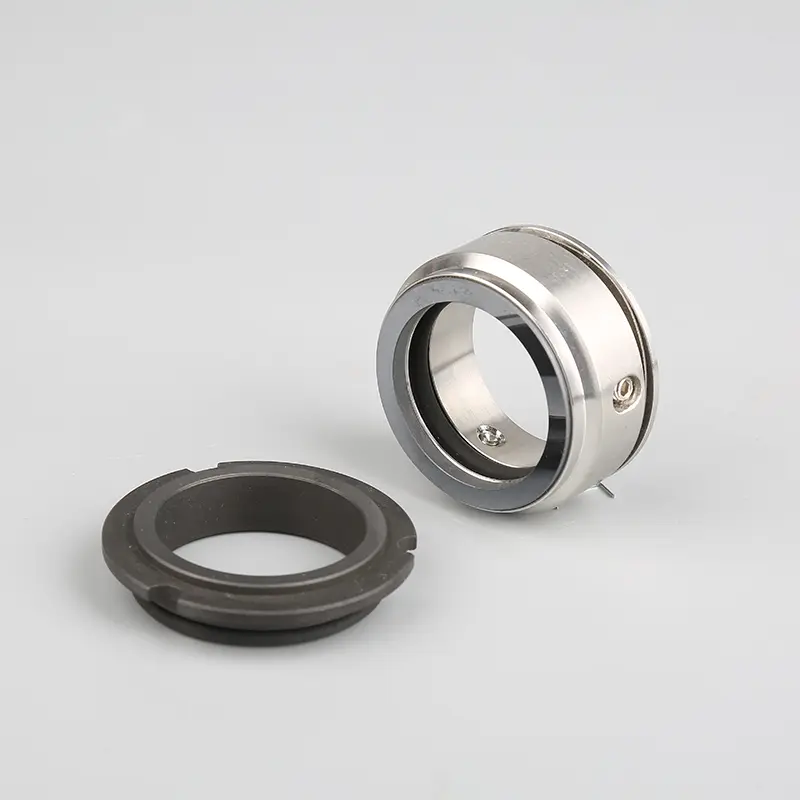
The primary purpose of a shaft seal is to create a tight barrier between the rotating pump shaft and the stationary pump housing. This is the most common point of leakage in any pump system.
Shaft seals use three main mechanisms to block fluid escape:
| Sealing Mechanism | Description |
|---|---|
| Radial Lip Pressure | The sealing lip presses against the shaft to create a continuous, tight barrier |
| Hydrodynamic Sealing | Special grooves use shaft rotation to circulate lubricant inward and block contaminants |
| Secondary Dust Lip (Optional) | An extra outer lip provides additional protection against dirt, water, and debris in harsh environments |
Maintaining Internal Pressure
Shaft seals help pumps maintain the correct internal pressure required for efficient fluid transfer. A properly functioning seal ensures that pressure remains consistent, preventing cavitation, reduced flow rates, and uneven pump performance.
High-pressure applications require specialized seals designed to withstand extreme forces without deforming or failing.
Protecting Bearings and Internal Components
Shaft seals act as a critical line of defense for the pump’s most expensive internal parts. They prevent process fluid from entering the bearing housing, which would cause lubrication failure, corrosion, and premature bearing wear.
Bearing failures, almost always caused by seal leakage, are responsible for 13% of all pump downtime (Hydraulic Institute). A $20 seal can prevent a $500+ bearing replacement and hours of production loss.
Understanding Pump Shaft Seals
How Shaft Seals Work in a Pump
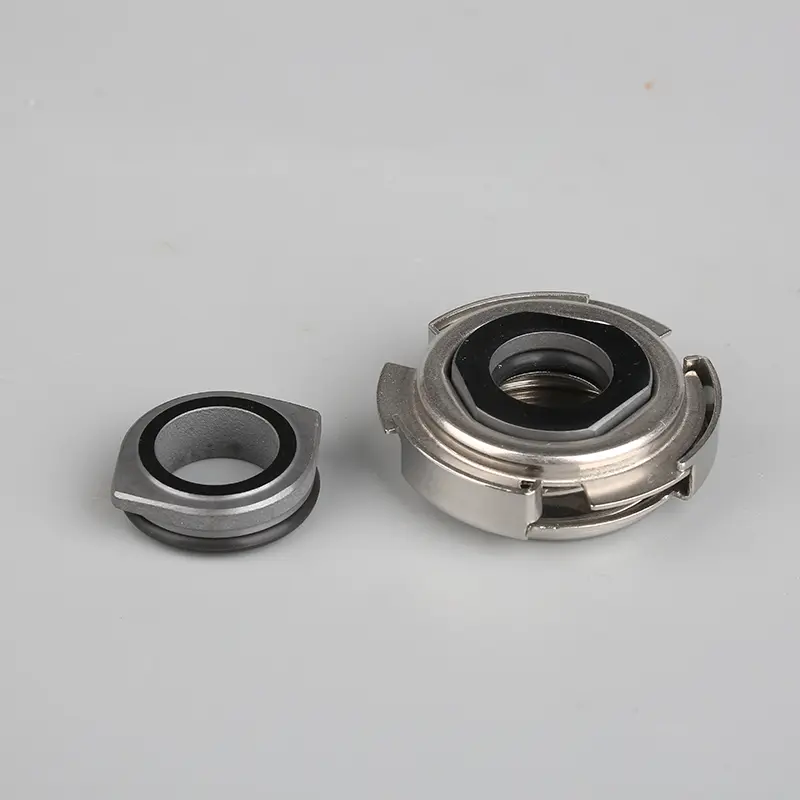
Shaft seals bridge the gap between the rotating shaft and the stationary pump housing. They allow the shaft to spin freely while creating a leak-proof barrier that keeps fluid inside the pump.
The seal must maintain contact with the shaft without creating excessive friction, which would generate heat and wear out both the seal and the shaft. Different seal types achieve this balance using different designs:
- Contact seals: Press against the shaft to create a tight seal (lip seals, mechanical seals)
- Non-contact seals: Use a tortuous path or magnetic force to block fluid without touching the shaft (labyrinth seals, magnetic seals)
For optimal performance, the shaft surface must be smooth and free of scratches, and the seal must be perfectly aligned with the housing.
Types of Pump Shaft Seals
Different types of shaft seals are designed for specific operating conditions, including pressure, fluid type, and maintenance requirements. Choosing the right seal depends on your application and performance expectations.
| Seal Type | Best Use Case | Key Advantages | Key Limitations |
|---|---|---|---|
| Mechanical Seals | High pressure, harsh chemicals, critical applications | Near-zero leakage, long life, low maintenance | Higher upfront cost |
| Packing Seals (Gland Packing) | Low-pressure systems, older pumps | Low cost, easy to install | Requires adjustment, allows leakage |
| Lip Seals | Low pressure, clean fluids | Inexpensive, simple design | Limited durability in harsh conditions |
Mechanical Seals (Most Common Choice)
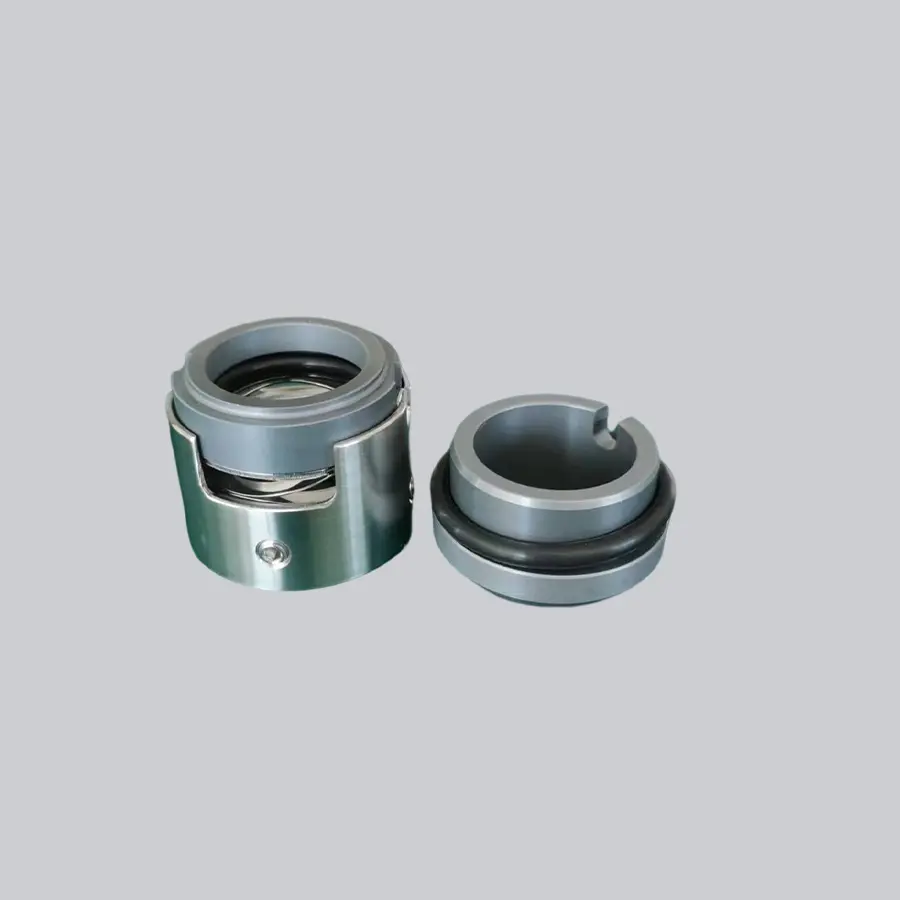
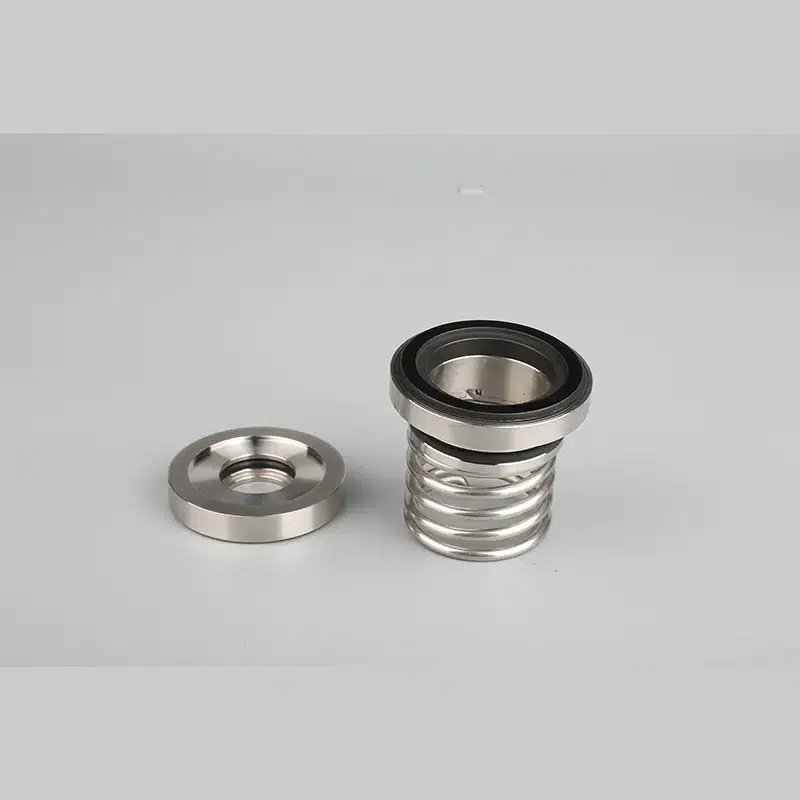
Mechanical seals are the industry standard for most industrial pump applications. They consist of two precision-machined faces—one rotating with the shaft and one stationary in the housing—that are pressed together to form a tight sealing interface, minimizing leakage while allowing smooth rotation.
Compared to traditional packing seals, mechanical seals offer significantly lower leakage, longer service life, and reduced maintenance requirements. They are widely available in a variety of material combinations—such as carbon, ceramic, silicon carbide, PTFE, and elastomers like FKM or FFKM—allowing them to perform reliably in demanding conditions involving high pressure, temperature, or corrosive fluids.
Selecting and Maintaining Shaft Seals
Choosing the Right Seal for Your Application
The most important factor in seal selection is material compatibility with the process fluid. The table below shows common seal materials and their applications:
| Seal Material | Temperature Range | Compatible Fluids |
|---|---|---|
| Nitrile Rubber | -40°F to 250°F | Oils, fuels, water |
| Viton (FKM) | -15°F to 400°F | Oils, fuels, mild acids |
| PTFE (Teflon) | -320°F to 500°F | Corrosive chemicals, strong acids |
| FFKM | -15°F to 600°F | Harsh chemicals, high temperatures |
| Silicon Carbide | Up to 1000°F | Abrasive fluids, high pressure |
Other factors to consider:
- Operating pressure and temperature
- Shaft speed
- Presence of solids or abrasives
- Regulatory requirements
Maintenance and Replacement Tips
60% of mechanical seal failures are caused by improper installation, not material defects. Follow these best practices to maximize mechanical seal life:
- Always follow the manufacturer’s installation instructions carefully
- Ensure proper shaft alignment to prevent uneven wear
- Use the correct lubricant for your seal material
- Inspect seals regularly for signs of leakage, wear, or damage
- Replace seals proactively according to the manufacturer’s recommended schedule
Common signs of a failing shaft seal:
- Visible fluid leakage around the shaft
- Unusual noise or vibration from the pump
- Increased operating temperature
- Reduced pump performance or pressure
Conclusion
Shaft sealing is the most critical component of any pump system. It prevents fluid leakage, protects internal components, maintains pressure, and ensures safe and efficient operation. A single seal failure can lead to costly downtime, environmental damage, and safety hazards.
By choosing the right seal type for your application, following proper installation procedures, and implementing a regular maintenance program, you can extend the life of your pumps and reduce total operating costs.
Victor offers a complete line of high-performance mechanical seals designed to meet the demands of even the most challenging industrial environments. Our seals deliver superior reliability, longer life, and lower total cost of ownership compared to generic alternatives.
FAQ
What does a shaft seal do in a pump?
A shaft seal creates a leak-proof barrier between the rotating pump shaft and the stationary pump housing. It prevents fluid from leaking out and contaminants from entering the pump, protecting internal components and ensuring efficient operation.
How often should technicians check shaft seals?
Technicians should inspect shaft seals during regular pump maintenance, which is typically every 1–3 months depending on the application. Critical pumps handling hazardous fluids should be inspected more frequently.
Which shaft seal works best for high-pressure pumps?
Mechanical seals are the best choice for high-pressure pumps. They can handle pressures up to thousands of PSI and provide near-zero leakage. Victor mechanical seals are specifically engineered for reliable performance in high-pressure applications.
Can a broken shaft seal cause pump failure?
Yes. A broken shaft seal allows fluid to leak into the bearing housing, causing lubrication failure and bearing damage. If not repaired promptly, this will lead to complete pump failure and costly downtime.
Which is more cost-effective: mechanical seals or packing seals?
While mechanical seals have a higher upfront cost, they offer 30–50% lower total cost of ownership over their lifetime. They require less maintenance, reduce energy consumption, and eliminate the ongoing cost of packing replacement and leakage cleanup.