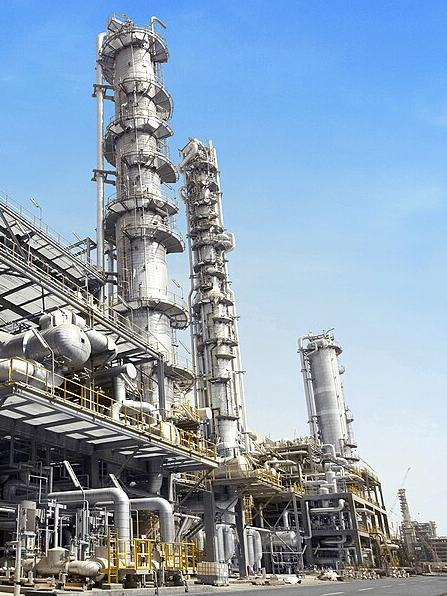

The material of a centrifugal pump seal directly affects its performance, service life and reliability. The most common seal materials include carbon graphite, silicon carbide, tungsten carbide, ceramics, stainless steel and elastomers. Choosing the right material depends on the pumped fluid, operating temperature, pressure and environmental conditions.
Proper material selection can extend seal life by 2-3 times, reduce maintenance costs and prevent costly downtime. Victor offers a complete range of mechanical seal materials and expert technical support to help you find the best solution for your application.
Key Takeaways
- Carbon graphite is the most widely used seal face material for clean water and mild chemicals
- Silicon carbide offers excellent wear and corrosion resistance for most industrial applications
- Tungsten carbide is the best choice for abrasive slurries and high-pressure conditions
- PTFE and elastomers are used as secondary seals for their flexibility and chemical resistance
- Always match the seal material to the pumped fluid and operating conditions
- Consult with a seal expert if you are unsure about the best material for your application
Common Materials for Centrifugal Pump Seals
Carbon Graphite
Carbon graphite is the most common seal face material due to its excellent self-lubricating properties and low friction coefficient. It runs smoothly without external lubrication and dissipates heat effectively.
Advantages:
- Excellent self-lubrication
- Low friction and wear
- Good thermal conductivity
- Resistant to most mild chemicals
- Cost-effective
Disadvantages:
- Brittle and prone to chipping
- Not suitable for abrasive fluids
- Poor resistance to strong oxidizers
- Cannot run dry for extended periods
Best For: Clean water, glycol, mild acids and bases, general industrial applications
Silicon Carbide (SiC)
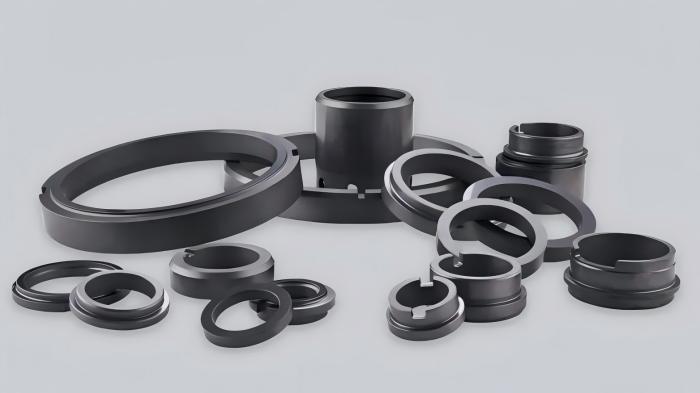
Silicon carbide is the most versatile high-performance seal material. It is extremely hard, chemically inert and resistant to wear and corrosion.
Key Properties:
- Hardness second only to diamond
- Excellent chemical resistance to acids, bases and solvents
- High thermal conductivity
- Good resistance to thermal shock
Best For: Abrasive fluids, high pH applications, chemical processing, wastewater treatment
Tungsten Carbide (TC)

Tungsten carbide is the hardest seal material available, offering unmatched wear resistance in abrasive conditions. It is typically used in applications with high solid content.
Key Properties:
- Superior wear resistance (2-3 times better than SiC in most slurries)
- High compressive strength
- Good corrosion resistance to most fluids
- Excellent dimensional stability
Best For: Mining slurries, sand and gravel pumps, high-pressure applications, pulp and paper
Ceramics
Alumina ceramic is a cost-effective alternative to silicon carbide for less demanding applications. It offers good hardness and chemical resistance at a lower price point.
Best For: Clean water, HVAC systems, mild chemicals, food and beverage
Stainless Steel
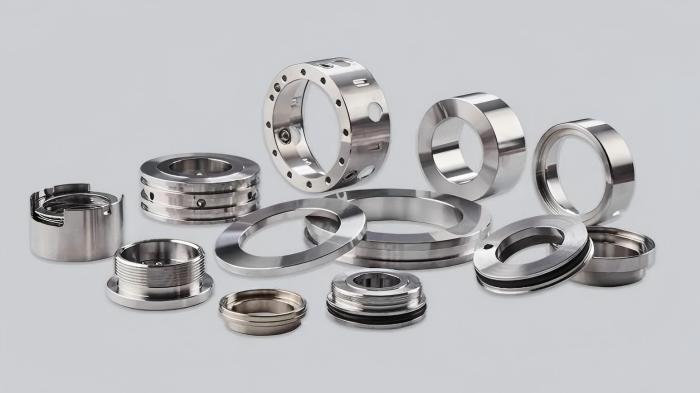
Stainless steel is used for seal components such as springs, retainers and sleeves. It offers excellent corrosion resistance in aqueous environments.
Common Grades:
- 316/316L: General purpose, marine and coastal applications
- Duplex/Super Duplex: High corrosion resistance for harsh chemical environments
- Hastelloy/Titanium: Extreme corrosion resistance for strong acids and bases
Elastomers
Elastomers are used as secondary seals (O-rings, gaskets) to provide a flexible seal between components.
| Elastomer Type | Temperature Range | Best For |
|---|---|---|
| Nitrile (NBR) | -40°C to 120°C | Water, oil, grease, general purpose |
| Fluoroelastomer (FKM/Viton) | -20°C to 200°C | Oils, fuels, strong chemicals, high temperatures |
| EPDM | -50°C to 150°C | Water, steam, acids, bases; NOT for petroleum products |
PTFE (Teflon)
PTFE is a fluoropolymer with exceptional chemical resistance. It is used for secondary seals and bellows in chemical applications.
Advantages:
- Resistant to almost all chemicals
- Wide temperature range (-200°C to 260°C)
- Low friction coefficient
- Non-stick surface
Disadvantages:
- Poor wear resistance in abrasive fluids
- High thermal expansion
- Prone to cold flow under pressure
Best For: Strong acids, solvents, pharmaceutical and food processing
Key Factors for Material Selection
1. Fluid Compatibility
The most important factor is ensuring the seal material is compatible with the pumped fluid. Incompatible materials will degrade quickly and cause leaks.
| Fluid Type | Recommended Materials |
|---|---|
| Clean Water | Carbon vs Ceramic, Carbon vs SiC |
| Mild Chemicals | Carbon vs SiC, EPDM |
| Strong Acids/Bases | SiC vs SiC, FKM, PTFE |
| Abrasive Slurries | WC vs SiC, WC vs WC |
| High Temperature | Metal bellows, FKM, PTFE |
2. Operating Temperature
Temperature affects both the mechanical properties and chemical resistance of seal materials. Always select a material rated for the maximum operating temperature of your system.
3. Operating Pressure
Higher pressures require stronger, more rigid seal materials. Metal-based seals are preferred for high-pressure applications above 10 bar.
4. Abrasive Content
Fluids containing solid particles require hard, wear-resistant materials such as tungsten carbide or silicon carbide.
5. Cost Considerations
- Budget options: Carbon vs Ceramic, Nitrile elastomers
- Mid-range: Carbon vs SiC, FKM elastomers
- Premium: WC vs SiC, Hastelloy components, PTFE
Selecting the Right Centrifugal Pump Seal Materials
Centrifugal Pump Seal Material Pairing Guide
The most important principle in seal design is material pairing. Most seals use a hard material against a softer, self-lubricating material. Hard-on-hard pairing is used only for extreme abrasive conditions.
| Material Pairing | Wear Resistance | Chemical Resistance | Temperature Range | Best Use Case |
|---|---|---|---|---|
| Carbon vs Ceramic | Good | Good | -40°C to 180°C | Water, glycol, HVAC |
| Carbon vs SiC | Very Good | Excellent | -40°C to 220°C | General industrial, chemicals |
| SiC vs SiC | Excellent | Excellent | -40°C to 220°C | High pH, moderate abrasives |
| TC vs SiC | Excellent | Very Good | -40°C to 200°C | Slurries, high pressure |
| PTFE vs Ceramic | Good | Excellent | -40°C to 150°C | Strong acids, solvents |
Application-Based Recommendations
- HVAC and Water Systems: Carbon-ceramic seals with NBR elastomers
- Chemical Processing: SiC-SiC seals with FKM or PTFE secondary seals
- Mining and Slurry Pumps: WC-SiC seals with robust metal components
- Food and Beverage: FDA-approved materials such as 316L stainless steel and EPDM
- High Temperature Applications: Metal bellows seals with FKM elastomers
💡 Pro Tip: For critical applications, use a double mechanical seal with a barrier fluid system for maximum safety and reliability.
Conclusion
Selecting the right seal material is critical for the reliable operation of centrifugal pumps. By considering the fluid properties, operating conditions and cost requirements, you can choose the best material for your application.
For expert advice on seal material selection or to request a quote, contact Victor’s technical team today. Our engineers will help you find the perfect seal solution for your specific needs.
FAQ
What is the most common seal material for centrifugal pumps?
Carbon graphite is the most common seal face material due to its excellent self-lubricating properties and low cost. It is used in over 70% of general industrial pump applications.
Which material lasts the longest in abrasive conditions?
Tungsten carbide offers the best wear resistance in abrasive environments. It can last 2-3 times longer than silicon carbide in most slurry applications.
What is the difference between silicon carbide and tungsten carbide?
Silicon carbide offers better chemical resistance and thermal shock resistance, while tungsten carbide has superior wear resistance and compressive strength.
Can I use the same seal material for different fluids?
No, always select a seal material that is compatible with the specific fluid being pumped. Using the wrong material can lead to premature seal failure and costly downtime.
How often should I replace my pump seals?
The service life of a pump seal depends on the material and operating conditions. A properly selected and installed seal can last 2-5 years in normal service. Seals in harsh conditions may need replacement every 6-12 months.