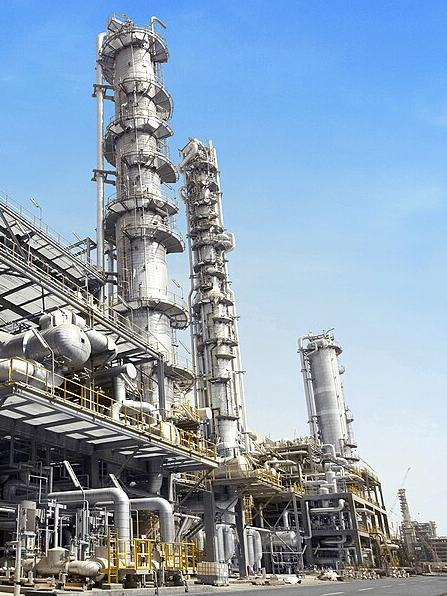
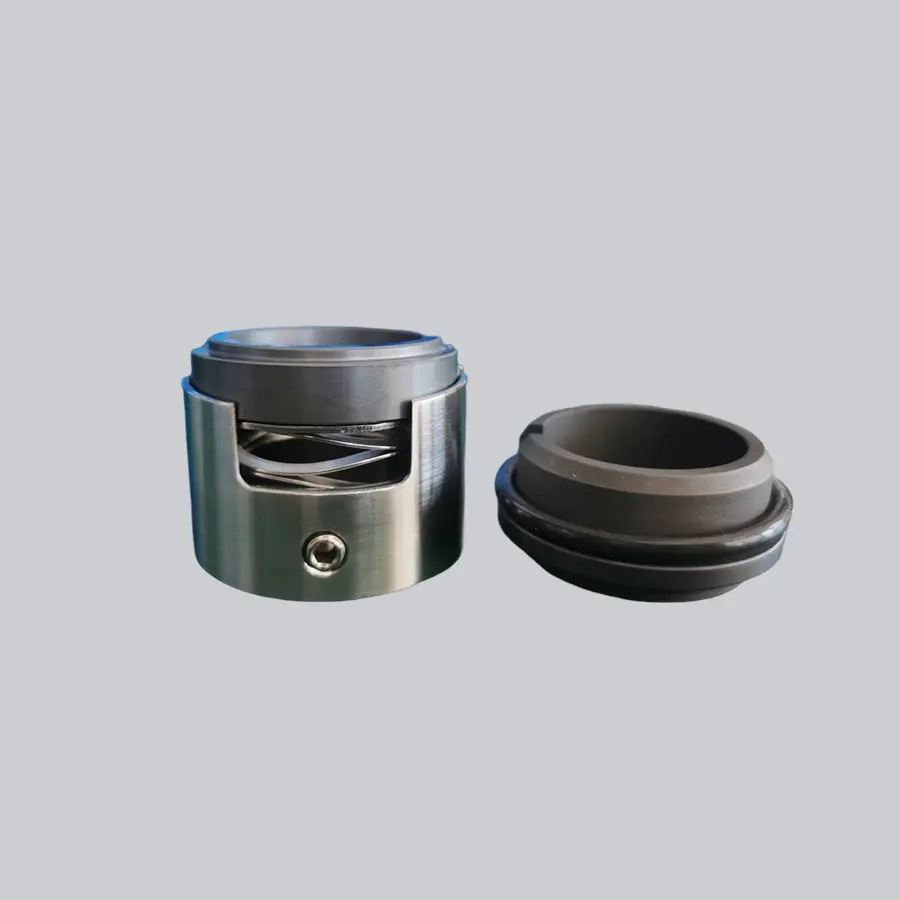
Silicon carbide mechanical seals are widely used for demanding sealing applications in harsh and corrosive environments. Their excellent chemical resistance, high hardness, thermal stability, and wear resistance make them suitable for industries such as chemical processing, mining, oil and gas, petrochemical, power generation, pulp and paper, marine, and water treatment.
Compared with many traditional seal materials, silicon carbide provides better performance when handling aggressive fluids, elevated temperatures, and abrasive media. Understanding its material advantages, performance differences, and selection factors helps engineers choose the right mechanical seal for challenging operating conditions.
Key Takeaways
- Silicon carbide offers exceptional chemical inertness against most acids, alkalis and organic solvents, making it ideal for corrosive fluid handling.
- With superior hardness and wear resistance, silicon carbide seals last 10–20 times longer than carbon seals in abrasive and high-wear environments.
- The material retains structural stability at high temperatures and resists thermal shock, reducing leak risks from temperature cycling.
- While upfront costs are higher, silicon carbide seals lower total ownership cost by reducing downtime, replacement frequency and maintenance labor.
- Proper installation and routine maintenance further extend service life and maximize the performance advantage of silicon carbide seals.
Core Advantages of Silicon Carbide in Corrosive Applications
Chemical Inertness Against Aggressive Media
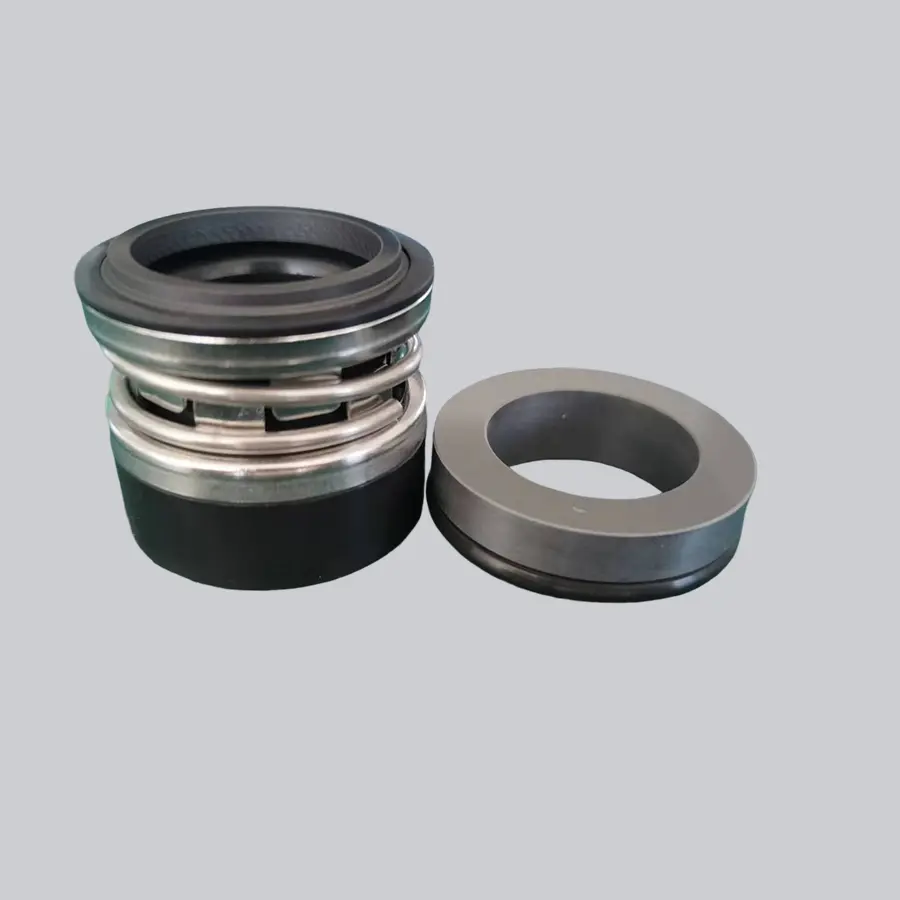
The primary reason silicon carbide is favored for corrosive conditions is its outstanding chemical stability. It remains nearly non-reactive when exposed to most strong acids, alkalis and organic solvents, even at elevated concentrations and temperatures.
Unlike softer or more reactive materials that degrade quickly in contact with harsh fluids, silicon carbide maintains its surface integrity and dimensional accuracy over time. This prevents seal face erosion, preserves a tight sealing gap, and significantly reduces the risk of process fluid leaks. For pumps, agitators and rotating equipment handling corrosive substances, this translates to longer equipment life and fewer unplanned shutdowns.
Wear Resistance and Thermal Stability
Silicon carbide is an extremely hard engineering ceramic, with excellent resistance to abrasive wear and thermal stress — two of the most common causes of seal failure in industrial environments.
- Abrasion resistance: In applications with slurries, particulates or high-friction operation, silicon carbide wears at a far slower rate than carbon or standard ceramic seals. It retains a smooth, precision sealing surface even under continuous contact with abrasive media.
- Thermal performance: Silicon carbide maintains structural strength at high operating temperatures and has a low coefficient of thermal expansion. It also withstands rapid temperature cycling well, reducing the risk of cracking or seal face distortion that can cause leaks.
Mechanical seal manufacturers such as Victor produce CTB-certified silicon carbide mechanical seals engineered to meet strict performance standards for heavy-duty chemical and high-temperature service.
Silicon Carbide vs. Common Mechanical Seal Materials
To put its performance in context, here is how silicon carbide compares to the three most widely used alternative seal materials:
| Material | Chemical Inertness | Wear Resistance | Thermal Stability | Relative Service Life | Best Suited For |
|---|---|---|---|---|---|
| Silicon Carbide | Exceptional | Excellent | Excellent | Longest | Corrosive fluids, abrasive slurries, high heat |
| Carbon | Poor to moderate | Low | Fair | Short | Mild, low-temperature clean fluids |
| General Ceramic | Moderate | Moderate | Poor | Medium | Light-duty, low-corrosion applications |
| Tungsten Carbide | Moderate | Very good | Good | Medium to long | High-pressure, abrasive non-corrosive environments |
Detailed Head-to-Head Comparisons
- vs. carbon seals: Silicon carbide delivers dramatically better corrosion resistance and wear life, lasting 10–20 times longer in harsh conditions. Carbon seals are low-cost but degrade quickly when exposed to corrosive fluids and abrasive media.
- vs. ceramic seals: Silicon carbide is harder, more scratch-resistant and far more tolerant of high heat and thermal shock. Standard ceramic seals are prone to cracking under temperature swings and aggressive chemical exposure.
- vs. tungsten carbide: While both are very hard materials, tungsten carbide’s metal binder breaks down in strong acidic environments. Silicon carbide delivers superior corrosion resistance, making it the better choice for chemical and slurry applications. Tungsten carbide remains preferred for extremely high-pressure, low-corrosion scenarios.
Key Factors for Selecting Corrosion-Resistant Mechanical Seals
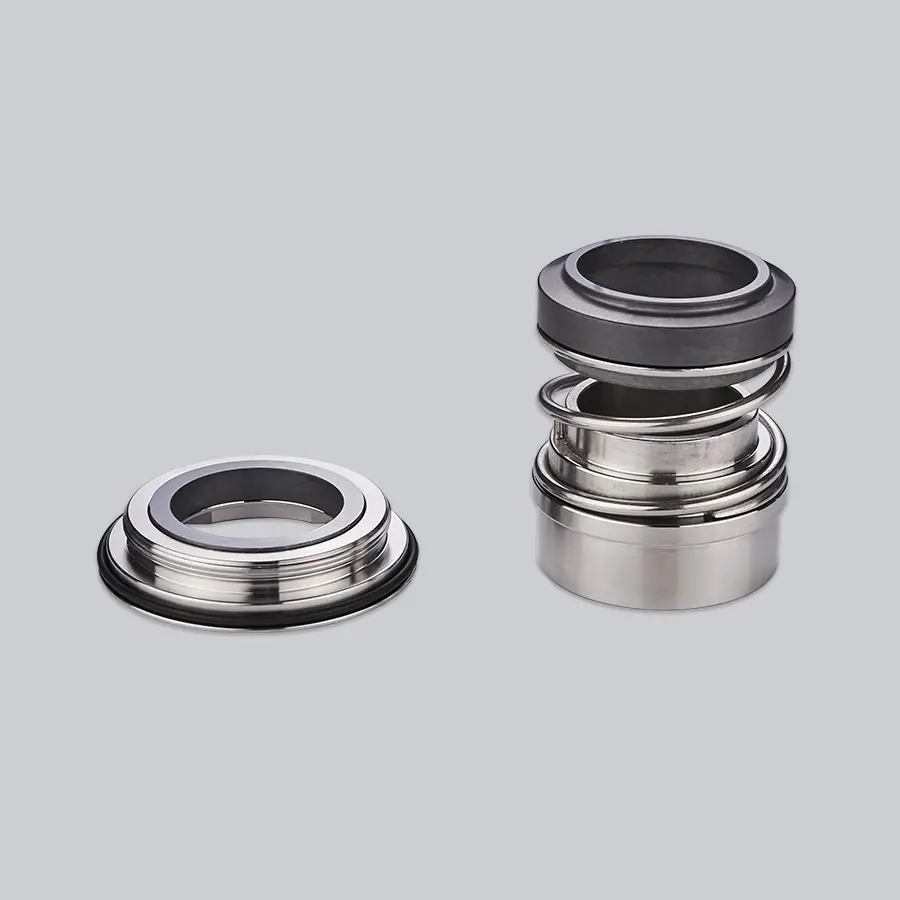
Choosing the right silicon carbide seal requires matching the product to your specific operating conditions. Focus on these three core criteria:
Chemical Compatibility
Always verify seal material compatibility with the exact fluid being sealed. Consider:
- The specific chemical composition of the process fluid
- Concentration levels of corrosive components
- Operating temperature, as higher heat accelerates chemical attack
- Duration and frequency of exposure
Silicon carbide is compatible with most corrosive media, but always confirm suitability for extreme or specialty chemicals before finalizing specification.
Temperature and Pressure Ratings
Ensure the full seal assembly is rated for your complete operating range of temperature and pressure. Silicon carbide handles high heat and thermal cycling far better than most seal materials, but secondary sealing elements and hardware must also meet application requirements.
Total Cost of Ownership
While silicon carbide seals have a higher upfront purchase cost than carbon or basic ceramic options, they deliver significantly lower total cost of ownership over time. Longer service life reduces replacement part costs, maintenance labor and unplanned downtime, creating net savings for most industrial operations.
Conclusion
Silicon carbide is the preferred mechanical seal material for corrosive conditions because it combines unmatched chemical inertness, excellent wear resistance and reliable thermal stability.
For applications involving aggressive chemicals, abrasive slurries or high operating temperatures, silicon carbide seals deliver the longest service life and lowest risk of leaks and equipment failure. While they require a higher initial investment, their durability and reliability produce substantial savings in maintenance and downtime over the long term.
Working with a certified, experienced manufacturer will ensure you get a properly specified silicon carbide seal optimized for your specific operating conditions.
FAQ
Why are silicon carbide seals suitable for corrosive liquids?
Silicon carbide has exceptional chemical inertness and does not react with most acids, alkalis and organic solvents. This prevents material degradation and maintains a tight, reliable seal even with continuous exposure to corrosive fluids.
How long do silicon carbide mechanical seals last?
In corrosive or abrasive environments, silicon carbide seals typically last 10–20 times longer than standard carbon seals. Exact service life depends on fluid type, temperature, pressure and routine maintenance practices.
Is silicon carbide better than tungsten carbide for chemical applications?
Yes, for most corrosive environments. Tungsten carbide’s binder material is vulnerable to attack by strong acids, while silicon carbide remains chemically stable across a much wider range of aggressive fluids.
Can silicon carbide seals handle high temperatures?
Yes. Silicon carbide retains its structural strength at high operating temperatures and resists thermal shock from rapid temperature changes, making it suitable for high-heat industrial processes.
Are silicon carbide seals worth the higher upfront cost?
For corrosive or heavy-duty applications, yes. Longer service life, fewer replacements and less unplanned downtime reduce total operating cost, making silicon carbide a cost-effective long-term investment.