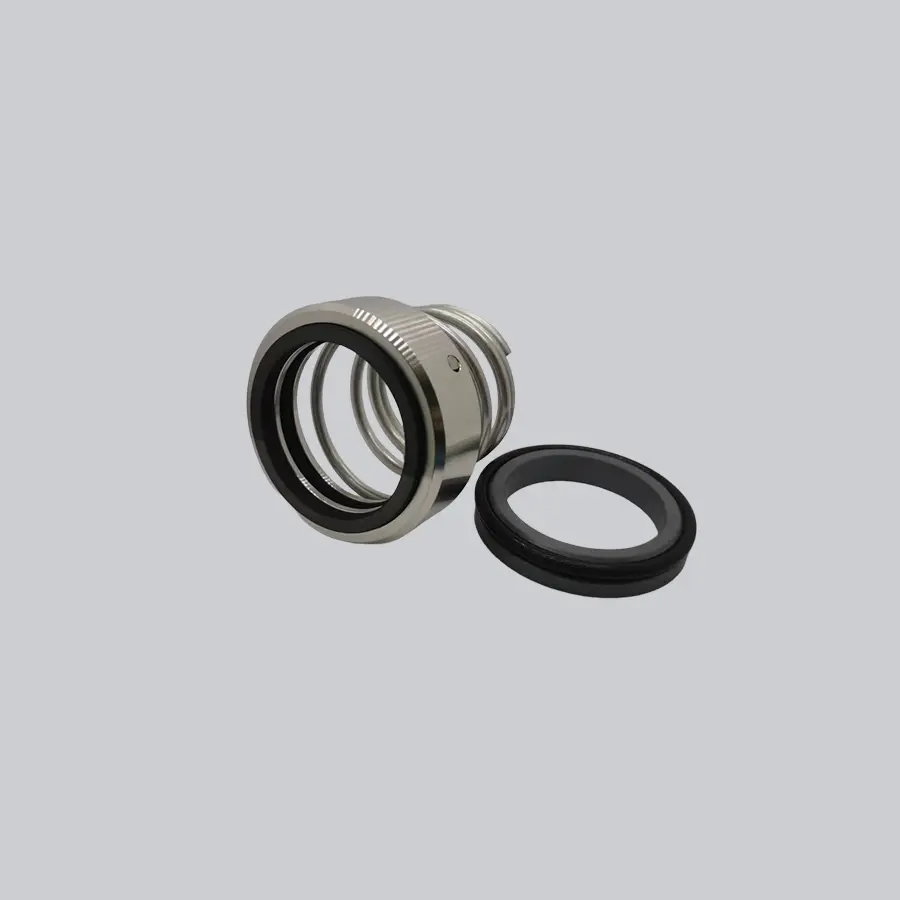
Yes, most modern industrial vacuum pumps use mechanical seals—they are the global industry standard for reliable, low-leakage operation. While basic low-vacuum pumps may use simple lip seals or packing, mechanical seals deliver superior performance for 90%+ of commercial and industrial applications. The right seal directly determines your pump’s vacuum level, energy efficiency and service life.
Mechanical seals create a precision-engineered barrier between the rotating shaft and stationary pump housing, preventing both internal process leakage and external air ingress. Different designs are optimized for specific operating conditions:
| Seal Type | Core Characteristics | Primary Applications |
|---|---|---|
| Lip Seals | Low cost, compact | Light-duty, low-vacuum pumps |
| Mechanical Seals | Near-zero leakage, long life, low friction | Most industrial vacuum systems |
| Advanced Seals | Magnetic/dry gas design | Ultra-high vacuum or hazardous media |
Always select seals based on your specific vacuum level, process fluid, temperature and pressure requirements.
Key Takeaways
- Mechanical seals provide reliable hermetic sealing in vacuum pumps, ensuring consistent performance and safety
- Proper selection reduces energy consumption by 10-50% and extends pump service life by 2-3x
- Regular lubrication and correct installation are critical for maximum seal longevity
- Common designs include single spring, multi-spring and bellows seals for different operating conditions
- Victor mechanical seals offer industry-leading durability and easy installation for all vacuum pump types
How Mechanical Seals Work in Vacuum Pumps
Basic Operating Principle
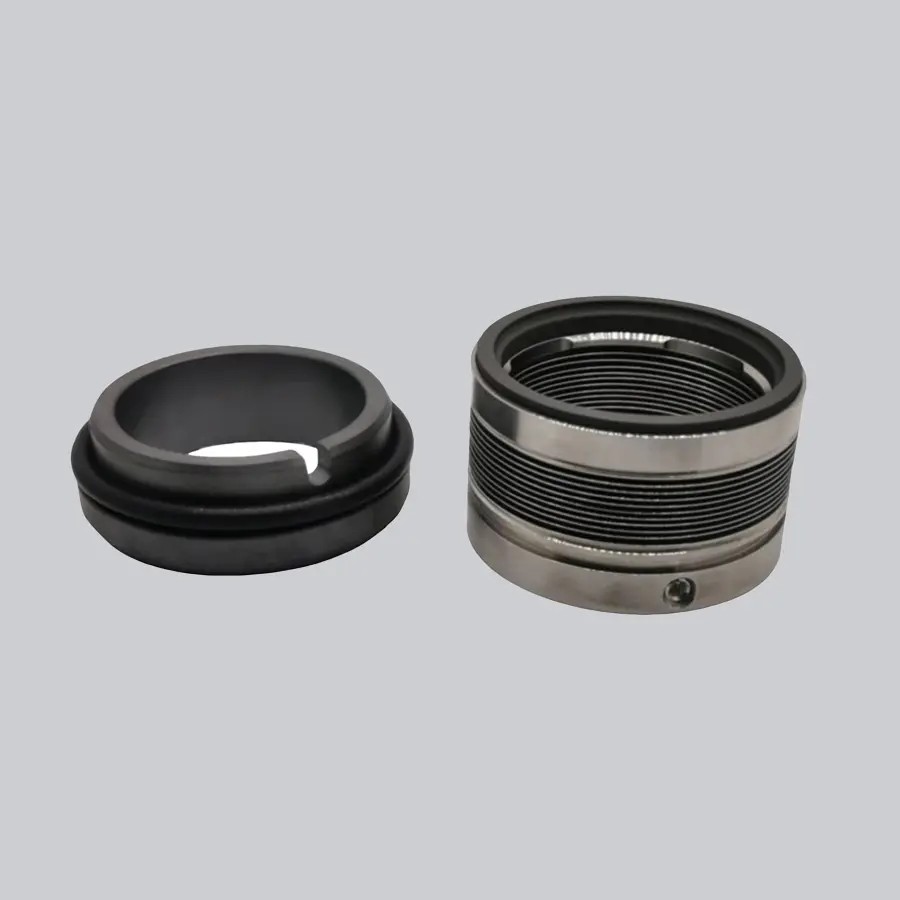
Mechanical seals rely on two precision-lapped flat faces that rotate against each other. Spring force and system pressure press the faces together, while a thin lubricating film between them reduces friction and prevents wear. If this film breaks down (dry running), the faces will overheat and fail within minutes.
Victor’s seals are engineered with tight tolerances and premium materials to maintain a stable lubricating film even under fluctuating vacuum conditions.
Key Components
Every mechanical seal consists of four essential parts:
- Primary Seal Faces: Carbon-ceramic, silicon carbide (SiC) or tungsten carbide (TC) form the main sealing interface
- Secondary Seals: BUNA-N, EPDM or metal bellows seal gaps between components
- Loading Mechanism: Springs or bellows apply uniform pressure to keep faces in contact
- Hardware: Stainless steel components provide structural support and corrosion resistance
| Component | Standard Materials | Premium Upgrade Options |
|---|---|---|
| Primary Seal | Carbon-Ceramic | Silicon Carbide, Tungsten Carbide |
| Secondary Seal | BUNA-N | EPDM, Viton, Stainless Steel |
| Springs | 304 Stainless Steel | 316 Stainless Steel, Hastelloy |
Airtight Sealing in Low-Pressure Environments
Vacuum applications present unique challenges because seals must prevent air from being sucked into the system. Wet seals use process fluid for lubrication, while dry gas seals use spiral groove technology to maintain a stable gas gap between faces. Elastomers compensate for minor shaft misalignment and thermal expansion.
Critical Tip: Always prime the pump fully before starting. Dry running is responsible for 70% of premature mechanical seal failures.
Key Benefits of Mechanical Seals for Vacuum Pumps
Maintain Optimal Vacuum Levels
Mechanical seals deliver near-zero leakage, ensuring your pump achieves and maintains its rated vacuum level. They also prevent process contamination from outside air, which is critical for sensitive applications.
Reduce Energy Costs
With significantly lower friction than packing seals, mechanical seals cut power consumption by 10-50%. For facilities with multiple pumps, this translates to thousands of dollars in annual energy savings.
Extend Pump Service Life
By preventing leakage and reducing wear, mechanical seals protect internal pump components from damage. They also eliminate shaft wear, a common problem with packing seals that requires expensive shaft replacement.
Lower Total Cost of Ownership
| Metric | Mechanical Seals | Packing Seals |
|---|---|---|
| Average Service Life | 2-5 years (up to 9 with proper care) | 6-18 months |
| Maintenance Frequency | Annual inspection only | Monthly adjustment |
| Shaft Wear | None | Severe |
| Frictional Power Loss | 10-50% less | Higher |
Common Types of Mechanical Seals for Vacuum Pumps
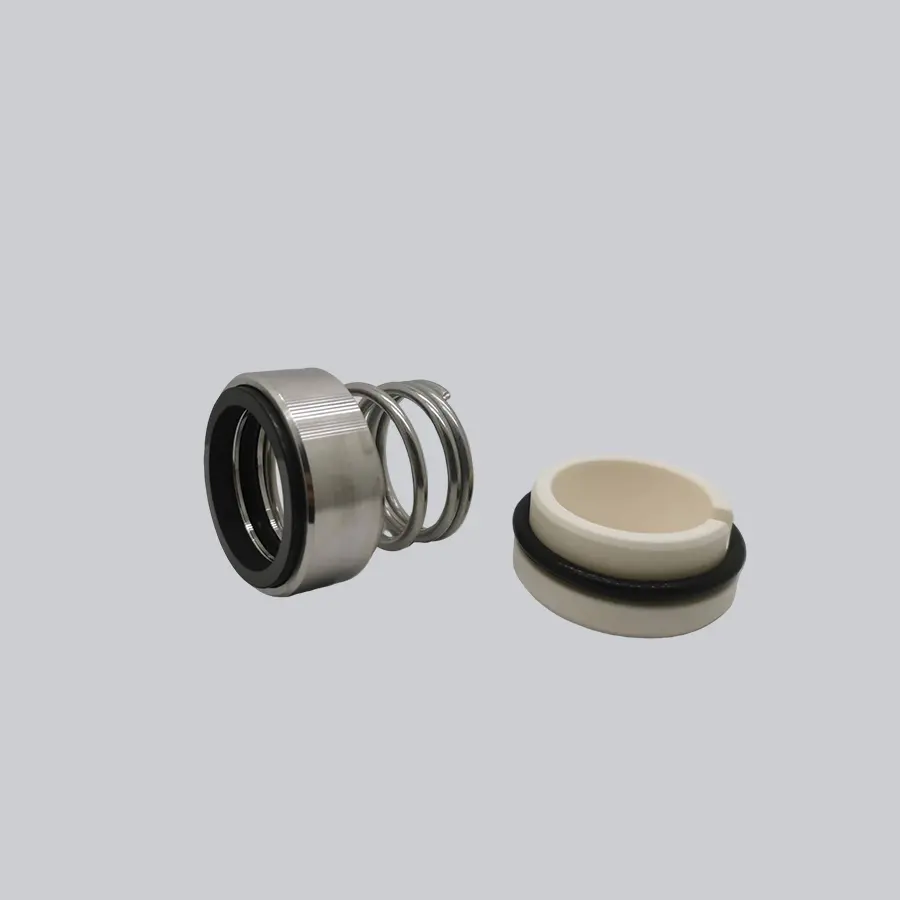
Single Spring Mechanical Seals
Simple, cost-effective design with a single coil spring providing uniform face pressure. Ideal for general-purpose applications with water, light chemicals and temperatures up to 120°C.
Multi-Spring Mechanical Seals
Use multiple small springs to distribute pressure evenly across the seal face. Better suited for high-speed, high-pressure and continuous-duty applications in chemical processing and manufacturing.
Bellows Mechanical Seals
Bellows mechanical seals use flexible metal bellows instead of springs, avoiding the use of dynamic elastomers that are easily degraded in corrosive environments. Available in stainless steel, Inconel and Hastelloy for handling aggressive chemicals and high temperatures.
| Bellows Material | Corrosion Resistance | Maximum Temperature |
|---|---|---|
| 304 Stainless Steel | Good | 200°C |
| Inconel 625 | High | 315°C |
| Hastelloy C-276 | Excellent | 400°C |
How to Choose the Right Seal
Consider these critical factors when selecting a mechanical seal for your vacuum pump:
- Vacuum level and operating pressure
- Process fluid compatibility
- Maximum operating temperature
- Pump speed and shaft size
- Maintenance accessibility
Victor’s technical team can help you select the optimal seal design and material combination for your specific application.
Conclusion
Mechanical seals are more than just a component—they are a critical part of ensuring the reliability, efficiency, and long service life of vacuum systems. In most industrial applications, they deliver an optimal balance of performance, durability, and total cost of ownership.
As a professional mechanical seal manufacturer, Victor specializes in designing and producing high-performance sealing solutions for industrial vacuum pumps and other demanding applications. With a comprehensive product portfolio and strong engineering capability, we provide reliable sealing products tailored to different operating conditions. Our technical team is available to support application selection and customization needs, helping you choose the right mechanical seal for your system.
FAQ
What is the main function of a mechanical seal in a vacuum pump?
A mechanical seal creates an airtight barrier between the rotating shaft and stationary pump housing, preventing both process fluid leakage and external air ingress that would degrade vacuum performance.
How long do mechanical seals last in vacuum pumps?
With proper installation and maintenance, most mechanical seals last 2-5 years. Service life can be extended to 7-9 years in ideal operating conditions with regular lubrication and inspection.
Can mechanical seals handle high temperatures and corrosive chemicals?
Yes. Mechanical seals are available in a wide range of materials, including silicon carbide, Hastelloy and PTFE, to handle temperatures up to 400°C and highly corrosive process media.
What are the early warning signs of a failing mechanical seal?
Look for visible leaks around the shaft, unusual grinding or squealing noises, a gradual drop in vacuum level, or increased vibration. Addressing these issues early can prevent costly pump damage.
Are Victor mechanical seals interchangeable with other brands?
Yes. Victor manufactures mechanical seals to ISO standards, making them fully interchangeable with most major brands. They also include detailed installation instructions and require no special tools.