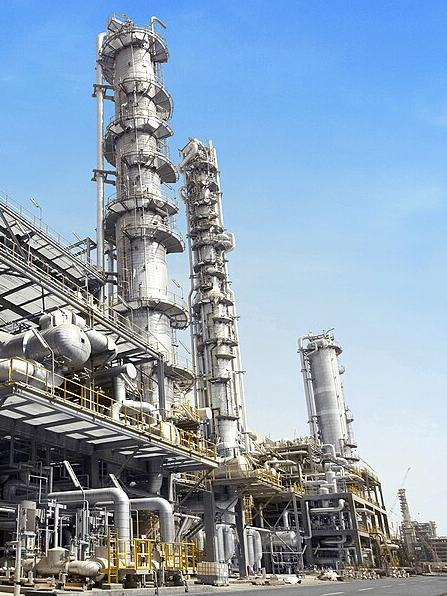
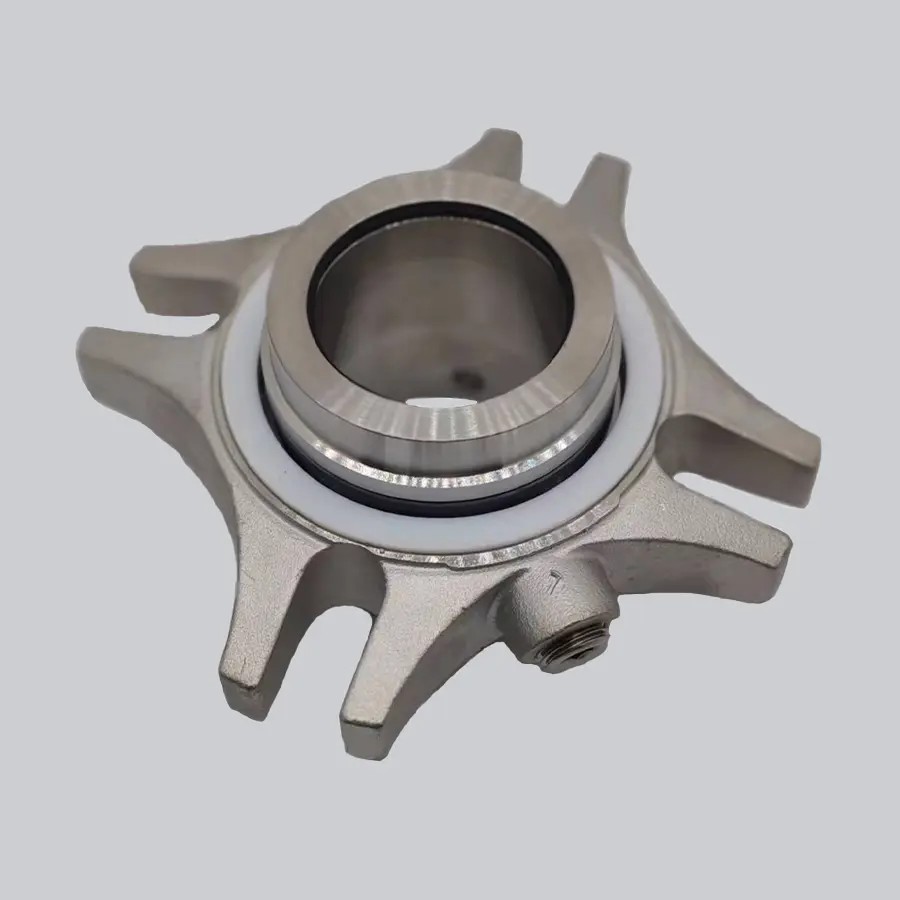
Unplanned downtime costs the global mining industry an estimated $15 billion annually, according to GlobalData. Beyond lost production, pump seal failures also expose workers to hazardous fluids and create environmental compliance risks.
Mechanical seals are a proven solution to both problems. They outperform traditional gland packing in harsh mining conditions, delivering longer pump service life, fewer unplanned shutdowns and far better containment of abrasive slurries and corrosive chemicals.
Key Takeaways
- Mechanical seals extend pump mean time between repairs (MTBR), reducing unplanned downtime and increasing production output.
- They contain toxic, abrasive and flammable process fluids far better than packing, lowering worker exposure risks.
- Upgrading to mechanical seals reduces flush water consumption, cuts maintenance labor and lowers total operating costs.
- Cartridge-style mechanical seals install quickly without full pump disassembly, minimizing replacement downtime.
- Double mechanical seals with barrier fluid systems are required for high-risk mining applications with hazardous or highly abrasive fluids.
Why Mining Pumps Outgrow Traditional Packing
Mining is one of the harshest environments for pump seals. Fluids carry solid rock particles, sand and metal fines, plus corrosive processing chemicals. Deep mines also add high pressure and wide temperature swings to the challenge.
Traditional gland packing fails quickly in these conditions:
- The soft packing material rubs directly against the rotating shaft, wearing down both the packing and the shaft sleeve.
- Workers must constantly tighten packing to control leaks, which increases friction, wastes energy and accelerates wear.
- Constant leakage creates safety hazards, contaminated flush water disposal costs and frequent unplanned maintenance.
For these reasons, mechanical seals have become the standard for modern mining pump systems, with material and design options matched to every type of mining fluid.
How Mechanical Seals Boost Pump Uptime
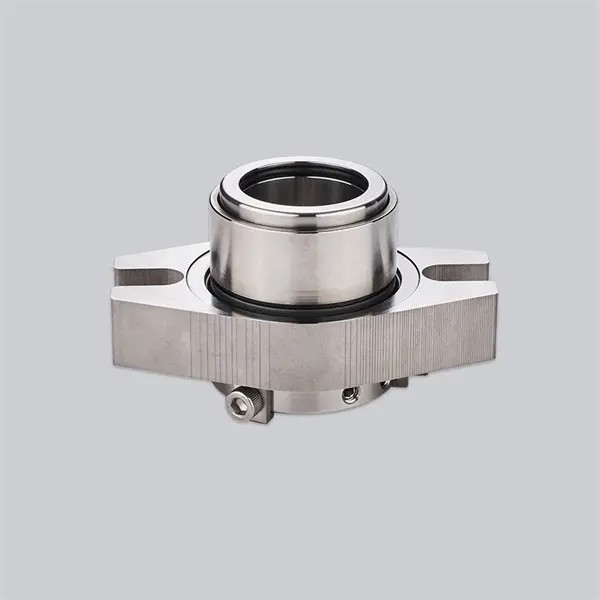
Mining operations depend on continuous pump operation. Every hour of idle pump time delays production, incurs emergency maintenance costs and risks missed output targets. Mechanical seals improve uptime by addressing the root causes of pump failure.
Dramatically Longer Service Life (Higher MTBR)
Mean time between repairs (MTBR) is the most important metric for pump reliability. Mechanical seals use two precision-lapped faces held together by spring or hydraulic force, separated by an ultra-thin fluid film. This design eliminates the direct shaft friction that wears out packing.
Mines that switch from gland packing to mechanical seals typically see MTBR jump from weeks or months to 12–18 months, and in some filter feed applications, multi-year service intervals.
- Premium material options like sintered silicon carbide deliver exceptional abrasion resistance for slurry duty.
- Advanced upgrades like diamond-coated seal faces can extend MTBR even further, moving maintenance from reactive firefighting to planned scheduling.
Instead of responding to sudden failures, teams can schedule seal replacements during pre-planned shutdowns, eliminating unplanned production losses.
Faster Replacements With Cartridge Seal Design
Cartridge mechanical seals come fully pre-assembled and factory-calibrated. This design is a game-changer for mining maintenance:
- No special tools or advanced expertise are required for installation.
- Seals slide directly into place without full pump disassembly.
- Installation errors are eliminated, which are a top cause of early seal failure.
| Aspect | Cartridge Mechanical Seal | Traditional Gland Packing |
|---|---|---|
| Installation | Pre-assembled, drop-in fit | Manual wrapping, time-consuming and skill-dependent |
| Pump disassembly | Not required for replacement | Full teardown often needed |
| Replacement time | Hours | Days for full repacking and shaft repair |
Faster replacement means pumps return to service in hours instead of days, directly reducing production downtime.
Lower Water Use & Operating Costs
Traditional packing requires constant flush water for cooling and lubrication — water that becomes contaminated and requires treatment and disposal.
Mechanical seals eliminate or drastically reduce flush water demand. Upgrading can save up to 120 liters (31.7 gallons) per minute per pump.
- Less water consumption lowers utility and wastewater treatment costs.
- Reduced maintenance labor and fewer replacement parts cut ongoing operating expenses.
- Less shaft wear extends the life of the pump itself, delaying expensive full pump overhauls.
How Mechanical Seals Improve Mining Safety & Compliance
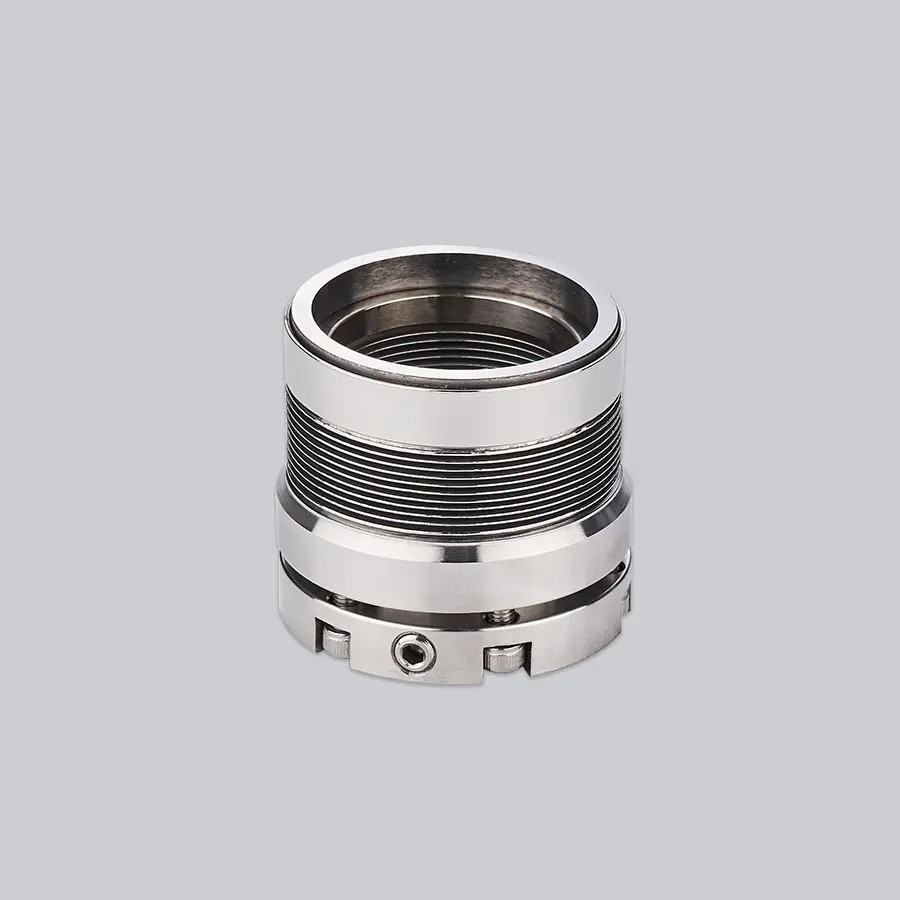
Mining pump systems routinely handle toxic chemicals, flammable reagents and abrasive, acidic slurries — often at high pressure. A seal failure can release these hazardous materials into the work area, endangering workers and creating environmental violations.
Better Containment of Hazardous Fluids
Mechanical seals produce near-zero visible leakage, unlike packing which leaks continuously by design.
For different risk levels, there are two primary seal configurations:
- Single mechanical seals: Suitable for clean, non-toxic, low-abrasion fluids like raw water and mild dosing chemicals.
- Double mechanical seals: Required for toxic, hazardous, highly abrasive or high-temperature fluids. They use two seal faces with a pressurized clean barrier fluid between them. If the inner process seal fails, the outer seal contains the fluid, preventing worker exposure.
The barrier fluid also lubricates and cleans the seal faces, keeping abrasive slurry particles away from the sealing interface. This both extends seal life and nearly eliminates process fluid leakage to the environment.
Reduced Worker Exposure & Risk
Less leakage and fewer maintenance interventions directly improve site safety:
- Fewer emergency repair callouts mean less time workers spend near high-pressure, hazardous equipment.
- Near-zero process leakage eliminates slippery floors, chemical vapors and skin exposure risks.
- Eliminating constant packing adjustments removes a routine, high-frequency maintenance task that puts workers close to rotating equipment.
Stronger Environmental Compliance
Regulators are tightening limits on process emissions, wastewater discharge and water consumption across the mining industry. Mechanical seals help operations meet these rules without sacrificing uptime:
- Reduced flush water means less contaminated wastewater to treat and dispose of.
- Near-zero process leakage prevents soil and water contamination risks.
- Lower energy consumption from reduced friction supports site carbon reduction targets.
Choosing the Right Seal for Your Mining Application
One seal design does not fit all mining duties. Match the seal type and material to your specific fluid:
- Clean water / mild chemical dosing pumps: Single mechanical seal with carbon vs. silicon carbide faces.
- Moderate slurry / tailings pumps: Single or double seal with sintered silicon carbide faces for abrasion resistance.
- Highly abrasive slurry / process-critical pumps: Double mechanical seal with barrier fluid and premium silicon carbide or diamond-coated faces for maximum MTBR.
- Toxic / flammable / high-temperature fluids: Double mechanical seal with a pressurized barrier fluid system for maximum worker and environmental protection.
Always confirm the seal is rated for your operating pressure, temperature and solid particle size.
Conclusion
For mining operations, mechanical seals deliver value on three fronts: more production uptime, better worker safety and lower long-term operating costs. They outperform traditional packing in every metric that matters: longer service life, faster repairs, less water use and far better containment of hazardous fluids.
While the upfront cost is higher than packing, the reduction in downtime, maintenance and water expenses delivers a fast return on investment. For any mine looking to improve reliability and safety, upgrading pump mechanical seals is one of the highest-impact, lowest-risk equipment improvements available.
FAQ
What’s the difference between single and double mechanical seals in mining?
Single seals are used for clean, non-toxic, low-abrasion fluids. Double (dual) seals use two seal faces with a clean barrier fluid between them, and are required for toxic, highly abrasive or high-temperature mining fluids. They provide a backup safety layer to prevent hazardous fluid leakage.
How much do mechanical seals increase pump MTBR in mining?
Mines upgrading from gland packing to mechanical seals typically see MTBR increase from months to 12–18 months, and even longer with premium face materials. For slurry applications, diamond-coated faces can extend service life dramatically, moving maintenance from reactive to planned.
Why are cartridge seals better for mining maintenance?
Cartridge seals arrive fully pre-assembled and calibrated. They install directly into the pump without full disassembly, no special tools required. This cuts replacement time from days to hours, reduces installation errors and gets pumps back into production faster.
Can mechanical seals really save that much water in mining?
Yes. Traditional gland packing needs continuous flush water for cooling and lubrication. Upgrading to mechanical seals can reduce or eliminate external flush water, saving up to 120 liters per minute per pump. This also reduces wastewater treatment and disposal costs.
What seal is best for abrasive tailings and slurry pumps?
For highly abrasive slurry and tailings applications, sintered silicon carbide seal faces are the standard choice for their excellent wear resistance. For critical pumps, double mechanical seals with a clean barrier fluid system are recommended to keep abrasive particles away from the seal faces and maximize service life.
Do mechanical seals work for underground mining pumps?
Yes. Mechanical seals are widely used in underground dewatering and process pumps. Their low leakage rate improves air quality in confined spaces, and their extended service life reduces the frequency of difficult underground maintenance interventions.