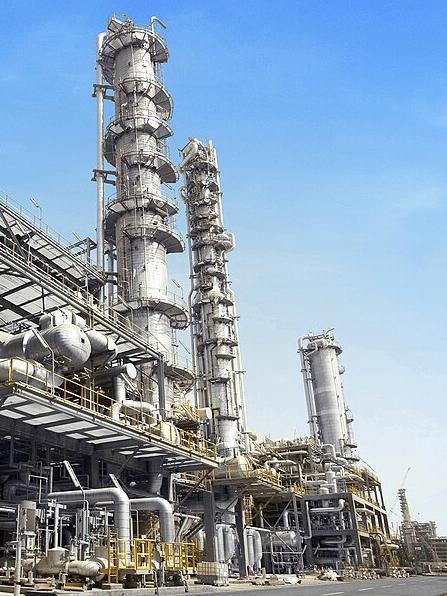
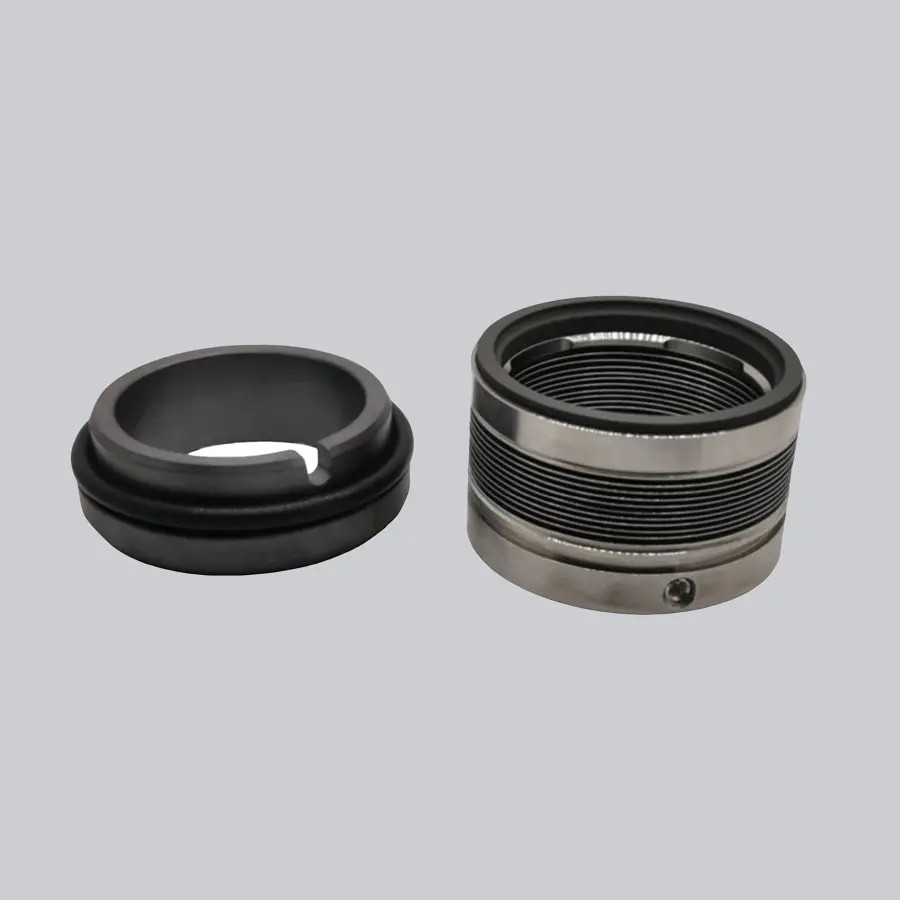
Metal bellow seals are the clear choice for high-performance, extreme-condition service, while standard pusher seals deliver reliable performance at lower cost for moderate, general-purpose applications. This core tradeoff defines nearly every mechanical seal selection decision.
Neither design is universally superior. Each serves a distinct duty range, and matching the seal to your operating conditions always matters more than selecting a “better” type. Buyers typically weigh four core factors: pressure rating, temperature range, media chemistry, and total budget.
Key Takeaways
- Metal bellow seals outperform standard seals in extreme heat, high pressure, vacuum, and aggressive chemical service.
- Standard pusher seals have a lower upfront cost and work reliably for clean, moderate-duty applications.
- Metal bellow seals eliminate sliding dynamic O-rings, reducing wear points and extending service life in harsh conditions.
- Choose metal bellow seals for harsh fluids and critical service; choose standard seals for general-purpose, clean media duty.
- Always match seal selection to your system’s pressure, temperature, media, and budget for the longest reliable service life.
Core Design Differences Between Metal Bellow Seals vs Standard Seals
The two seal types diverge most clearly in how they generate spring force and handle secondary sealing.
Metal Bellow Seals
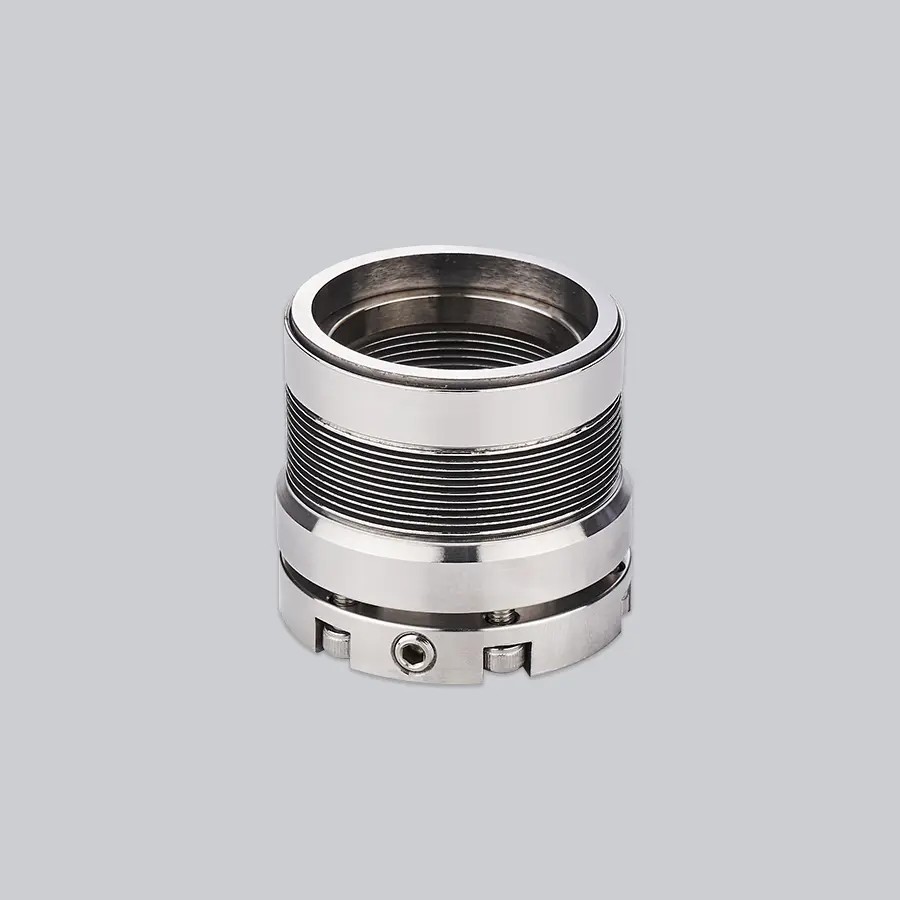
This design uses a flexible, edge-welded metal bellows (typically stainless steel or corrosion-resistant alloy) that performs two jobs at once: it supplies consistent spring force to maintain face contact, and it acts as a pressure-balancing, flexibly compensating secondary seal.
There are no sliding dynamic O-rings in the design. All secondary seals are static (often PTFE wedges or gaskets), which eliminates fretting corrosion, particle buildup, and friction wear along the shaft. Removing sliding contact points is the single biggest advantage of bellow designs for harsh service.
Standard Pusher Seals
Standard mechanical seals use a separate multi-spring pack to supply face load, and a sliding elastomer O-ring as the secondary seal. As seal faces wear, the O-ring slides axially along the shaft or sleeve to follow the movement.
This simple, proven design works well within its operating window. Pusher seals can often handle pressures above 1000 psi with adequate spring support, and temperature limits are set by the O-ring elastomer (roughly -40°C to 200°C for FKM). The sliding action also adds damping and rotational stability for some services.
Elastomer Bellows: The Middle Ground
Elastomer bellows seals use a rubber bellows instead of metal, filling the gap between standard pusher seals and all-metal bellow designs. They work well for moderate general industrial duty where extreme temperature or chemical resistance is not required. Heat will harden and degrade rubber bellows over time, so they are not rated for high-temperature service.
| Feature | Metal Bellow Seal | Elastomer Bellow Seal | Standard Pusher Seal |
|---|---|---|---|
| Temperature capability | Excellent | Moderate | Limited by elastomer |
| Chemical resistance | High | Depends on elastomer | Depends on elastomer |
| Dynamic elastomers | None | Present | Present |
| Primary wear points | Few | Moderate | More |
| Best fit | High-temperature, extreme duty | General industrial moderate duty | Clean, general-purpose service |
Performance Comparison: Metal Bellow Seals vs Standard Seals

Thermal Expansion & Movement Compensation
Metal bellow seals absorb shaft misalignment, vibration, and thermal growth entirely through flexing of the bellows element. This self-adjusting structure maintains consistent face loading even as temperatures swing, and it works equally well in either direction of shaft rotation.
Standard pusher seals rely on O-ring sliding to accommodate wear and thermal movement. Repeated temperature cycling stresses the elastomer over time, and the sliding contact can hang up if debris builds up on the shaft.
| Performance Attribute | Metal Bellow Seals | Standard Pusher Seals |
|---|---|---|
| Axial / angular misalignment tolerance | High (absorbed by bellows flex) | Limited to O-ring travel range |
| Thermal expansion handling | Absorbed smoothly by bellows | Stresses elastomer, increases wear |
| Moving wear points | Very few | More (sliding O-ring, springs) |
| Secondary seal type | Static only | Dynamic sliding |
| Bidirectional rotation | Yes | Yes |
Fouling Resistance & Media Compatibility
Media chemistry is the second major selection driver. For clean, non-abrasive fluids, both designs work well. For dirty, thick, or particle-laden fluids, metal bellow seals have a significant advantage:
- The compact, smooth bellows profile has far fewer crevices for solids to accumulate.
- The rotating bellows generates centrifugal force that flings solid particles away from the seal interface, naturally resisting clogging and hang-up.
This self-cleaning effect makes metal bellow seals the preferred choice for slurry service, thick fluids, and fouling-prone processes. Standard pusher seals struggle in these services, as solids can catch on the sliding O-ring and cause hang-up, accelerated wear, and premature leakage.
For corrosive service, both types are available with matched face materials (silicon carbide for harsh chemicals, tungsten carbide for abrasives, carbon graphite for general service) and secondary seal materials (Viton, EPDM, PTFE). The all-metal bellows itself adds another layer of corrosion resistance vs. elastomer-only designs.
Applications & Industry Use Cases for Metal Bellow Seals vs Standard Seals
Where Metal Bellow Seals Excel
Metal bellow seals are specified for extreme or critical service where standard seals would fail prematurely. Common applications include:
- Refinery alkylation unit pumps handling hydrofluoric acid (fugitive emissions control to <50 ppm per API 682)
- Combined-cycle power plant boiler feed pumps and high-speed steam turbine shafts (>5,000 RPM)
- Geothermal brine pumps (resistance to scaling and chloride corrosion)
- Vacuum service (no outgassing sliding elastomer)
- High-temperature hot oil, steam, and thermal fluid systems
- Chemical processing, oil & gas, and refrigeration compressors
Most metal bellow seals meet common industry dimensional standards including DIN 24960, EN 12756, ISO 3069, API 610, API 682, and GB 6556-94, so they can be dropped into existing seal chambers without re-machining.
Where Standard Pusher Seals Work Best
Standard pusher seals dominate the general industrial market due to their low cost and broad adaptability. They are the right choice for:
- Clean, non-fouling water-based fluids
- General-purpose process pumps at moderate temperatures and pressures
- Plumbing, irrigation, and low-pressure residential/light commercial systems
- Budget-sensitive installations with clean media
They have a lower upfront purchase price, but shorter service life and more frequent maintenance in harsh conditions.
How to Choose the Right Seal Type
Follow this simple decision framework:
- Define operating limits first: Note your maximum pressure, temperature range, and media chemistry.
- Check for fouling risk: If the fluid contains solids, is viscous, or tends to scale, lean toward metal bellow seals.
- Evaluate duty criticality: For high-cost downtime or emissions-critical service, metal bellow seals deliver better reliability.
- Balance total cost: Standard seals cost less upfront; metal bellow seals cost more but reduce downtime and extend service intervals in harsh duty.
As a rule of thumb: choose standard pusher seals for clean, moderate-duty, budget-focused installations. Choose metal bellow seals for high temperature, high pressure, corrosive media, fouling fluids, or critical service where downtime is expensive.
FAQ
Do metal bellow seals cost more than standard seals?
Yes. The welded alloy bellows and precision construction give metal bellow seals a higher purchase price. Standard pusher seals have a lower upfront cost. In harsh operating conditions, however, the higher price of metal bellow seals pays back quickly through longer service life and fewer unplanned shutdowns.
When should I choose metal bellow seals over standard pusher seals?
Select metal bellow seals for high temperature, high pressure, vacuum service, aggressive chemicals, or fouling/slurry media. Choose standard pusher seals for clean fluids at moderate temperature and pressure. There is no universal winner — the duty range always determines the best fit.
Do metal bellow seals use O-rings?
Metal bellow seals use only static secondary seals, not sliding dynamic O-rings. The bellows itself provides all required flexibility and spring force. Removing the sliding elastomer wear point is what gives bellow seals longer life in harsh service.
Can standard pusher seals handle dirty or thick fluids?
Standard seals perform poorly in dirty, particle-laden, or viscous media. Solids can catch on the sliding O-ring and cause hang-up and accelerated wear. Metal bellow seals resist fouling much better, as centrifugal force from the rotating bellows flings particles away from sealing surfaces.
What are the four key factors for seal selection?
Always evaluate pressure rating, temperature range, media chemistry, and total budget. Extreme conditions favor metal bellow seals; clean, low-pressure service favors standard seals. Always verify chemical compatibility for every wetted component, not just the seal face.