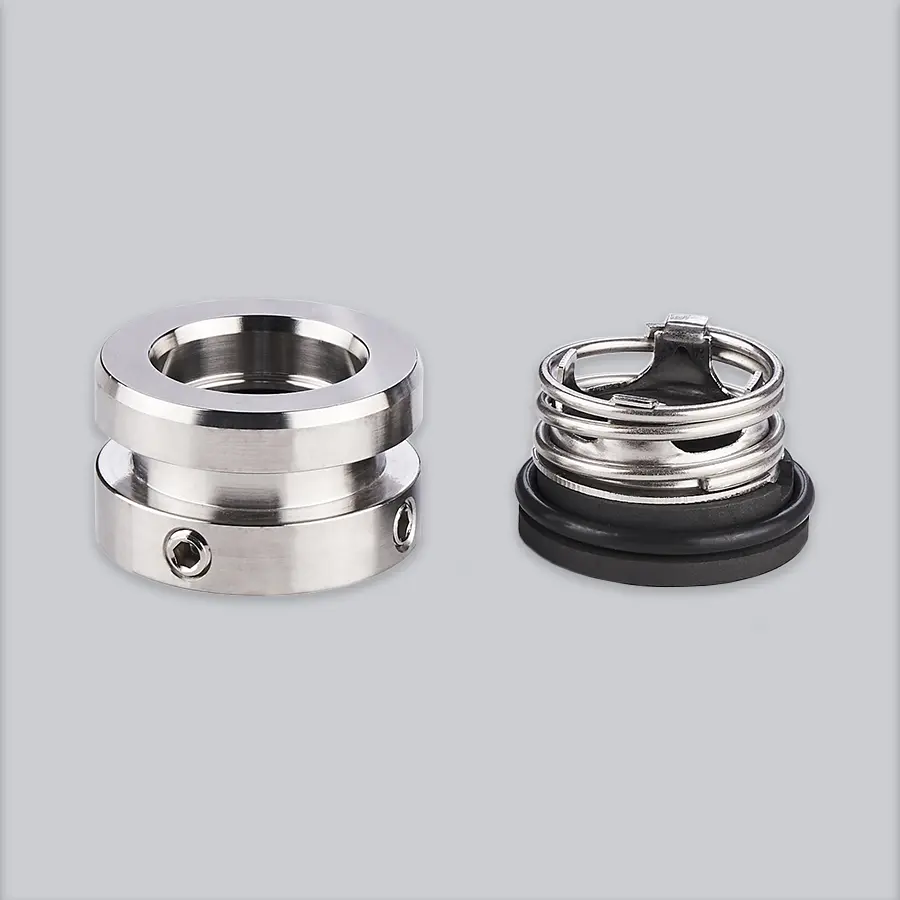
An OEM mechanical seal is a sealing device engineered to match original equipment manufacturer specifications exactly. This precision delivers three critical benefits: drop-in installation with no modifications, reliable fluid containment, and long-term protection for pump bearings and motors.
Key Takeaways
- OEM mechanical seals provide precise fit and direct replacement without pump modifications.
- Exact fit helps reduce leakage, uneven wear, and installation errors.
- Proper selection depends on pump specifications and operating conditions.
- Choose an OEM manufacturer with reliable engineering, quality control, and technical support.
What Is an OEM Mechanical Seal?
Core Function
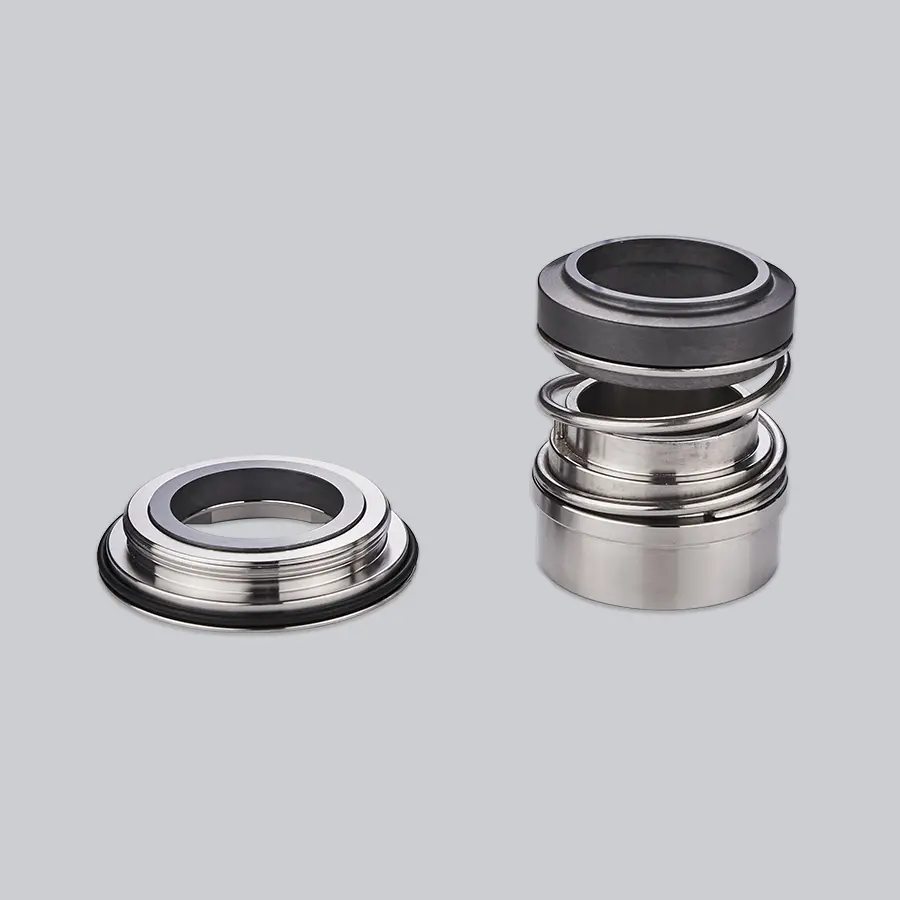
A mechanical seal prevents fluid leakage at the point where a rotating shaft passes through a stationary pump housing. It uses two flat, precision-lapped seal faces held together by spring pressure: one rotates with the shaft, the other remains fixed to the housing. A thin fluid film between the faces lubricates contact and dissipates heat. This design provides reliable sealing across a wide range of pressures and rotational speeds.
OEM Specification Definition
An OEM mechanical seal follows the original equipment manufacturer’s exact drawings for bolt patterns, sleeve dimensions, face geometry, and spring loading. It installs as a direct drop-in replacement with no machining, adapter parts, or forced fitting required.
Reputable OEM seals comply with international standards including DIN 24960, EN 12756, ISO 3069, API 610, API 682, and GB 6556-94. These standards define dimensional interchangeability and performance benchmarks, so a compliant seal will fit and function as intended for the target pump model.
Why Exact OEM Fit Matters
Generic aftermarket seals may fit the shaft diameter but often mismatch housing depth, face loading, or axial setting. This misalignment tilts the seal faces, causes uneven wear, and drastically shortens service life.
Precise OEM fit delivers three measurable advantages:
- Lower leakage rates: Properly seated faces stay aligned under load, maintaining a consistent fluid film.
- Fewer installation errors: Technicians follow standard factory procedure with no on-the-fly modifications, reducing mounting damage.
- Stable pump efficiency: The pump operates at its designed clearance and power draw, with consistent sealing performance over the full service interval.
This precision also protects the entire pump system. When a seal holds reliably, bearings stay clean and dry. When leakage occurs, process fluid washes into the bearing housing and accelerates wear. OEM fit keeps this failure chain from starting.
These seals serve as direct replacements for major pump brands including IMO, Grundfos, Alfa Laval, Flygt, and ABS. Maintenance teams can swap a worn seal for an OEM unit without modifying the pump casing, and spare part inventory stays simple with one part number per pump model.
How to Select & Source OEM Mechanical Seals
Step-by-Step Selection Process
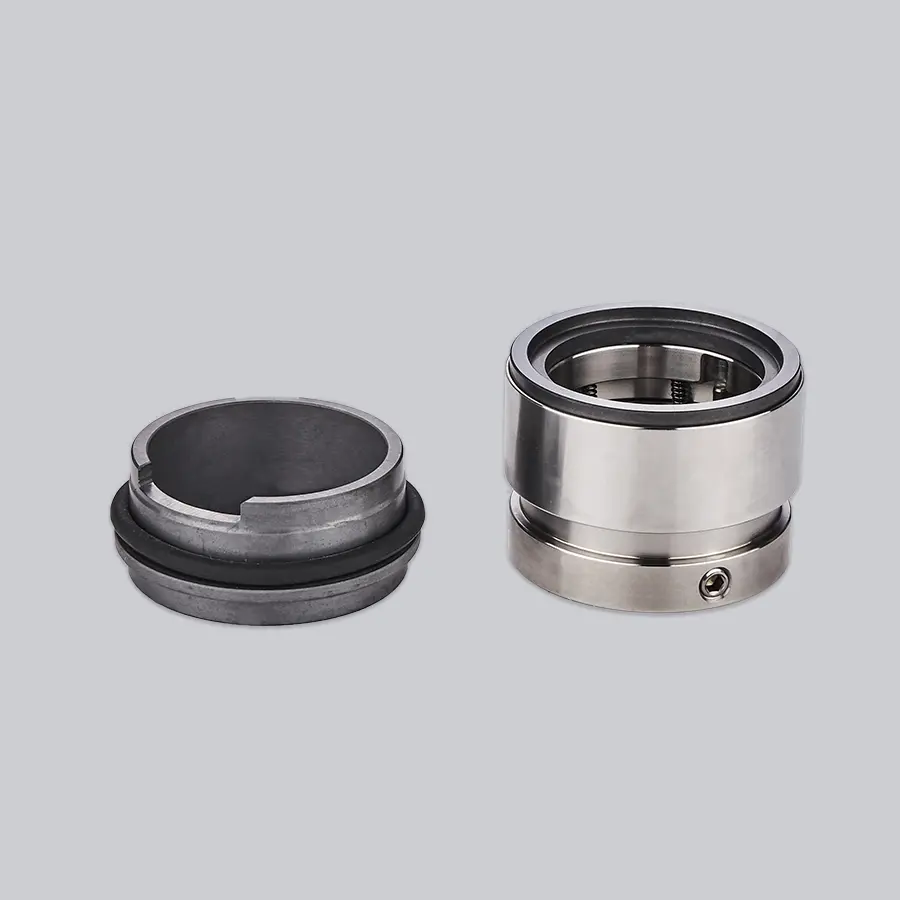
A structured qualification process reduces mismatch risk and ensures on-time delivery:
- Initial consultation: Share pump model, fluid properties, temperature, pressure, and duty cycle.
- Technical evaluation: Engineers cross-reference specs against factory drawings to confirm fit, material compatibility, and seal configuration.
- Sample development & testing: Prototypes are built and validated under simulated process conditions.
- Production approval: Buyer signs off on the tested sample; production runs to the approved drawing with controlled quality checks.
- Delivery & support: Order ships with installation guidance, spare part recommendations, and after-sales technical support.
Choosing a Reliable OEM Manufacturer
A trusted OEM partner delivers:
- Application engineering expertise to select the right materials and configuration
- Certified production quality systems and traceable documentation
- Sufficient stock of common sizes for fast turnaround on replacements
- Responsive after-sales support and custom development for unusual pump models
For example, Veekter is an OEM mechanical seal manufacturer with over 27 years of experience, operating a 3,800 m² facility with advanced CNC machining and strict quality controls. The company produces genuine OEM-fit seals for pump brands including IMO, Alfa Laval, Grundfos, APV, Flygt, Fristam, Lowara, and Allweiler, and supports custom seal development for specialized applications.
FAQ
How is an OEM seal different from a generic replacement?
A generic seal may fit the shaft but often mismatches housing depth or face loading. This tilts the seal faces and causes accelerated wear. An OEM seal follows factory dimensions for all features, installs without modification, and keeps faces properly aligned under operating load.
What causes a seal to fail shortly after installation?
Dry running is the most common cause — it removes the lubricating film and causes faces to overheat rapidly. Incorrect axial setting or face damage during handling produce the same early leakage pattern. Always verify startup procedure and cooling flow before assuming the seal itself is defective.
Can an OEM manufacturer build seals for uncommon pump models?
Yes. Experienced OEM manufacturers like Veekter offer custom engineering for unusual or legacy pumps. The process runs from consultation and technical evaluation through sample testing and production approval. Most common pump sizes are also kept in stock for fast replacement lead times.