
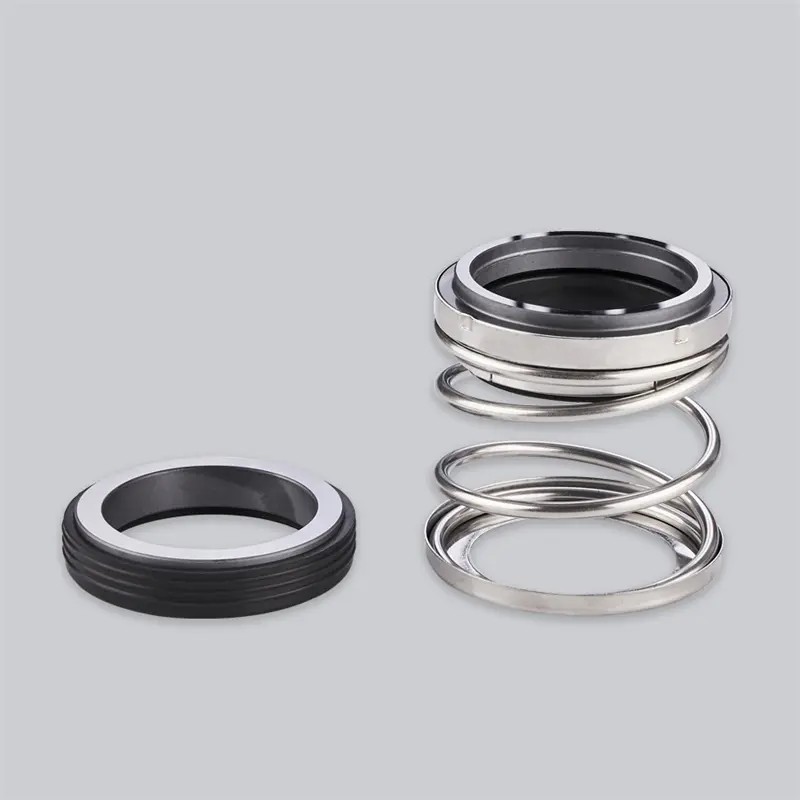
A Type 21 mechanical seal is a widely used industry-standard elastomer bellows seal designed for general-purpose centrifugal pumps and rotary equipment. It typically features a single-coil spring and an integrated elastomer bellows that helps compensate for shaft movement and misalignment during operation.
As a professional mechanical seal manufacturer, Victor produces Type 21 seals that comply with international standards and are designed for reliable performance in a wide range of industrial applications. Our optimized design helps reduce common issues such as shaft fretting while maintaining full interchangeability with standard Type 21 seal configurations.
Key Takeaways
- Type 21 is a standardized elastomer bellows mechanical seal widely used in centrifugal pump applications.
- Its design combines a single-coil spring and elastomer bellows to maintain consistent sealing under shaft movement and misalignment.
- It supports typical industrial operating conditions up to 150 psi and 400°F.
- The standardized design ensures cross-brand interchangeability and simplified maintenance.
- It is suitable for a wide range of general industrial fluids including water, oils, and mild chemicals.
- Upgraded configurations can reduce shaft wear and improve long-term sealing reliability.
Type 21 Mechanical Seal: Design & Working Principle
Standard Design & Core Components
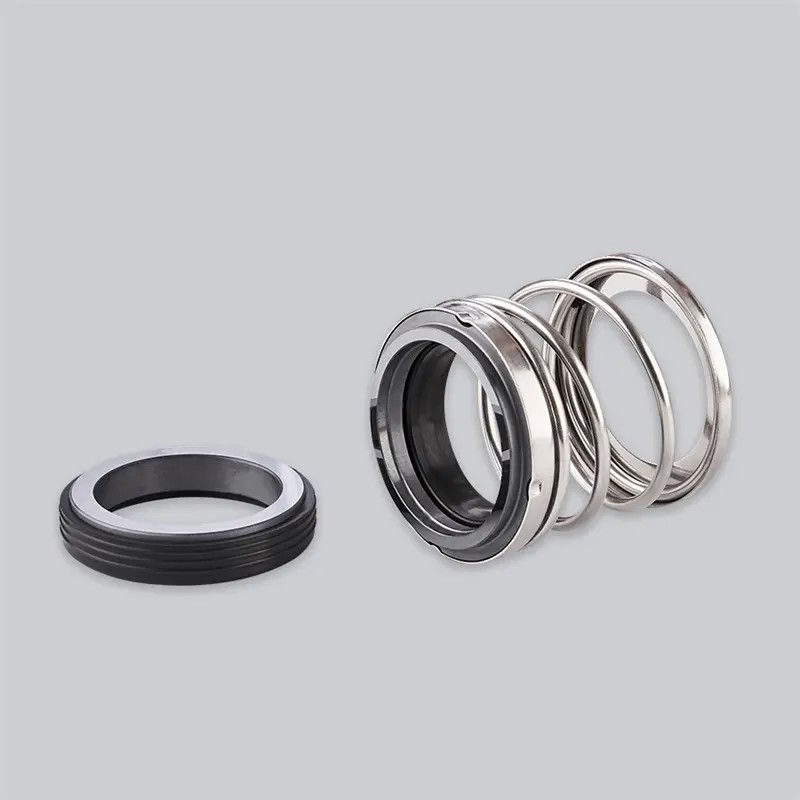
The Type 21 seal’s simple, proven design makes it compatible with thousands of pump models worldwide. Its core components include:
- Single non-clogging coil spring: Provides uniform face pressure
- Integrated elastomer bellows: Eliminates dynamic O-rings and compensates for shaft run-out
- Dent-and-groove drive band: Prevents bellows overstress and ensures positive drive
- Precision-lapped seal faces: Carbon/ceramic standard, with silicon carbide and tungsten carbide upgrades available
| Specification | Value |
|---|---|
| Design Type | Elastomer Bellows Shaft Seal |
| Temperature Range | -40°F to 400°F (-40°C to 204°C) |
| Pressure Limit | Up to 150 psi (10 bar) |
| Maximum Speed | 2500 fpm (12.7 m/s) |
| Shaft Sizes | 0.5″ to 6″ (12mm to 150mm) |
Automatic Compensation Function
The defining feature of the Type 21 seal is its ability to automatically adjust to shaft movement. The elastomer bellows flexes to accommodate shaft-end play, radial run-out, and minor misalignment, ensuring the seal faces remain in constant contact. This eliminates the need for frequent adjustments and significantly reduces leakage.
Sealing Mechanism
The Type 21 seal creates a leak-tight barrier between the rotating shaft and stationary pump housing through two precision-machined seal faces. One face rotates with the shaft, while the other remains stationary in the pump gland.
The single coil spring applies constant pressure to keep the faces pressed together. A thin lubricating film forms between the faces, reducing friction and preventing wear. The integrated elastomer bellows provides secondary sealing and compensates for any shaft movement or face wear that occurs during operation.
Key Features & Benefits of Type 21 Mechanical Seals
Robust Industrial Design
- Simple and reliable construction with minimal moving components
- Compatible with a wide range of media including water, oils, and mild chemicals
- Resistant to clogging caused by suspended solids
- Designed to meet major international standards for safety and performance
Durability and Operational Performance
Type 21 mechanical seals are engineered for stable long-term operation in industrial environments. Their simplified structure reduces mechanical stress and minimizes wear on critical components such as shafts and sealing faces.
Manufactured with controlled processes and high-grade materials, they deliver consistent sealing performance even under continuous or demanding operating conditions.
Total Cost of Ownership (TCO) Benefits
Type 21 seals provide strong long-term economic value beyond the initial purchase cost.
- Reduced maintenance and repair frequency
- Longer service intervals
- Lower risk of unexpected downtime
- Easy installation and replacement
- Fully interchangeable with standard Type 21 seal designs
Type 21 Mechanical Seal: Applications & Selection Guide
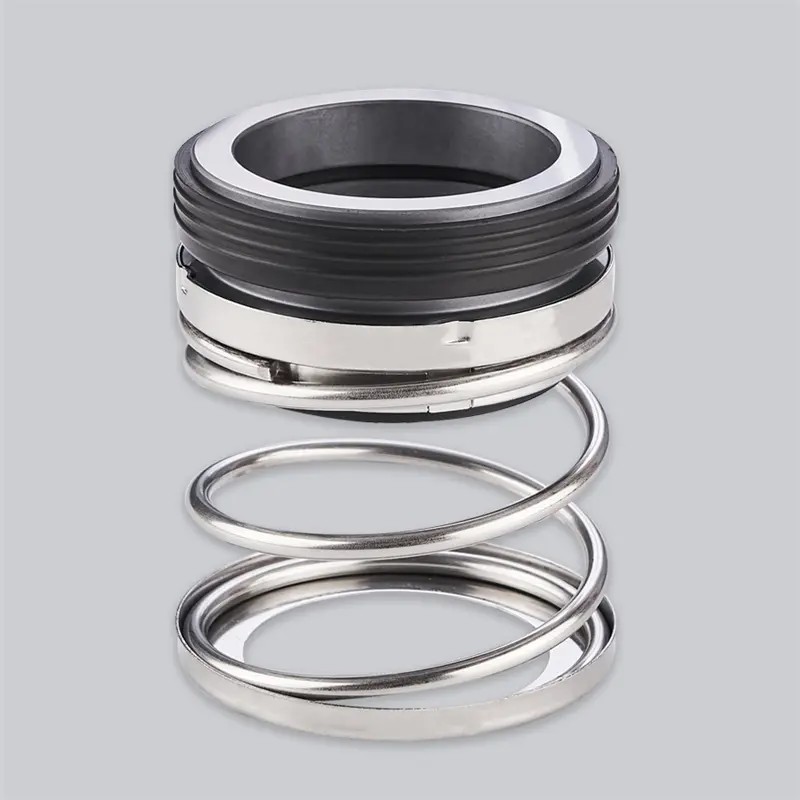
Common Industrial Applications
Type 21 mechanical seals are widely used in centrifugal pump systems across multiple industries where reliable sealing of non-aggressive or mildly demanding media is required.
- Water & wastewater treatment: Clean water, sewage, and sludge transfer pumps
- HVAC & refrigeration systems: Chillers, cooling towers, and circulation pumps
- Food & beverage processing: Non-corrosive fluid handling applications
- Chemical processing: Mild chemicals and compatible solvents
- Power generation: Cooling water and boiler feed pumps
- Mining & construction: Dewatering and general process pumps
- Oil & gas: Transfer and auxiliary pumping equipment
Victor Type 21 seals are available in a range of material and design configurations to support different operating environments and media requirements.
How to Select the Right Type 21 Seal
Proper seal selection depends on operating conditions and application requirements. The following factors should be considered:
- Process fluid compatibility: Select elastomer and sealing face materials based on chemical resistance requirements
- Operating temperature and pressure: Ensure the seal is suitable for system conditions
- Shaft size and rotational speed: Match seal dimensions and ratings with pump specifications
- Application severity: Use upgraded materials for abrasive, corrosive, or high-load environments
For critical applications, consultation with a technical specialist is recommended to ensure correct material and configuration selection.
Conclusion
Type 21 mechanical seals are widely adopted in general-purpose pump applications due to their standardized design, operational stability, and ease of maintenance. Their elastomer bellows structure ensures reliable compensation for shaft movement, making them suitable for a broad range of industrial conditions.
Standardization across manufacturers allows easy replacement and interchangeability, while upgraded material configurations can further improve durability in demanding environments.
FAQ
What makes a Type 21 mechanical seal different from other seals?
The Type 21 seal is distinguished by its integrated elastomer bellows and single-coil spring design. This simple, proven design provides excellent reliability and automatic shaft movement compensation at a low cost.
What temperatures and pressures can a Type 21 seal handle?
Standard Type 21 seals operate from -40°F to 400°F (-40°C to 204°C) and pressures up to 150 psi (10 bar). Special designs are available for higher temperatures and pressures.
How long does a Type 21 mechanical seal last?
With proper installation and maintenance, a Type 21 seal typically lasts 2-5 years. Service life depends on operating conditions, fluid compatibility, and maintenance practices.
Are Victor Type 21 seals interchangeable with other brands?
Yes. Victor Type 21 seals are manufactured to exact industry standards, making them fully interchangeable with seals from John Crane, Flowserve, and other major brands.
Can Type 21 seals be used with corrosive chemicals?
Standard Type 21 seals are suitable for mild chemicals. For highly corrosive fluids, we recommend upgrading to Viton elastomers and silicon carbide or tungsten carbide seal faces.