
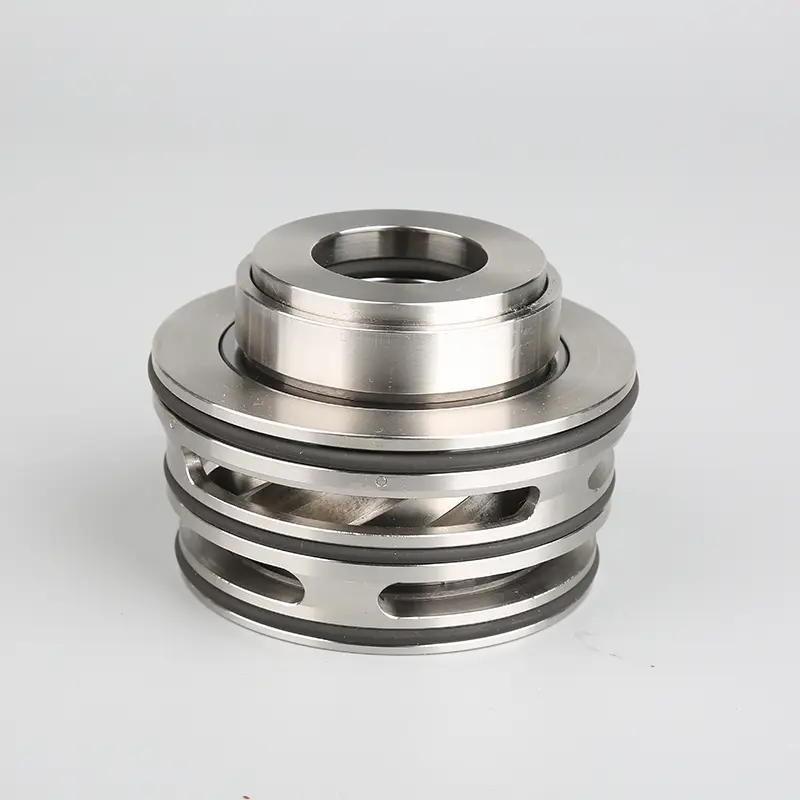
Cartridge mechanical seals simplify maintenance by combining the seal faces, springs, secondary seals, sleeve, and gland into a pre-assembled unit. Instead of installing and setting individual components at the pump, technicians can install the cartridge as a complete assembly.
This integrated design can reduce installation steps, minimize setting errors, and shorten seal replacement work. For plants where pump downtime directly affects production, these maintenance advantages can make cartridge mechanical seals easier to handle than traditional component seals.
Key Takeaways
- Cartridge mechanical seals are supplied as pre-assembled units, reducing the amount of seal assembly required at the pump.
- Factory-set components can simplify seal positioning and reduce the need for manual setting during installation.
- Cartridge designs can make installation more consistent by reducing the number of individual components that technicians must assemble.
- Routine maintenance is often simpler because technicians can inspect the seal externally and replace the complete unit when the seal reaches the end of its service life.
- The actual maintenance savings depend on the seal design, pump configuration, installation procedure, and operating conditions.
Component vs. Cartridge Mechanical Seals: Maintenance Differences
Traditional component mechanical seals are supplied as individual components that must be assembled and installed at the pump. Cartridge mechanical seals package these components into a complete assembly before installation.
Installation Challenges of Component Seals
A component mechanical seal typically requires the technician to install and position individual seal components, including seal faces, springs, gaskets, and secondary seals. The correct installation sequence and dimensions must be followed carefully.
The additional assembly steps create more opportunities for problems such as damaged O-rings, contaminated seal faces, incorrect positioning, or improper setting. Installation procedures also vary by seal design, so technicians must follow the manufacturer’s instructions for the specific seal.
These requirements do not mean that component seals are inherently unreliable. When correctly installed, they can provide effective sealing performance. However, they generally place more of the assembly and setting process on the maintenance team.
Integrated Design of Cartridge Seals

A cartridge mechanical seal combines the major sealing components into a pre-assembled unit. Depending on the design, the cartridge may include the seal faces, springs, secondary seals, sleeve, gland, and other components required for installation.
The complete assembly is positioned and prepared before it reaches the pump. Some cartridge designs are also factory-preset and pressure-tested, reducing the amount of measurement and adjustment required during installation.
This changes the maintenance task from assembling individual seal components to installing a complete seal assembly. The exact installation procedure still depends on the pump and seal design, but the integrated format can make the process more straightforward and repeatable.
How Cartridge Mechanical Seals Simplify Installation
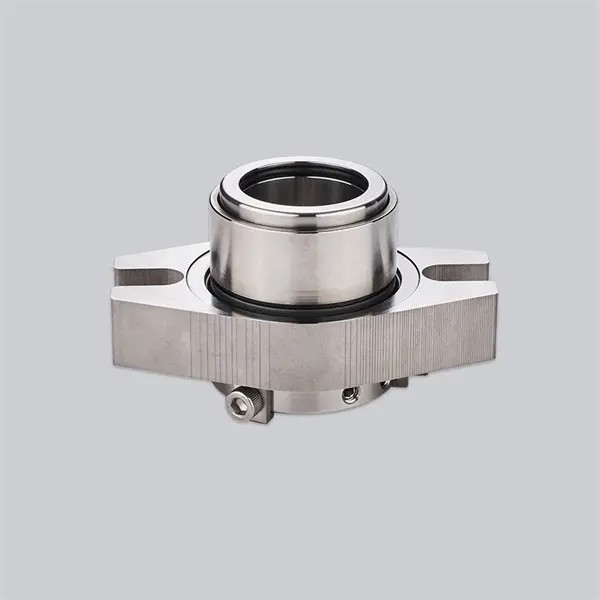
The main maintenance advantage of a cartridge seal is that many critical positioning steps are handled as part of the complete assembly.
Preset Components and Simplified Alignment
Many cartridge seals use preset dimensions or setting devices to establish the correct position of the seal before startup. These features can eliminate some of the measurement and manual setting required with component seals.
For example, cartridge designs may use setting clips, spacers, or other positioning features to maintain the correct installation position. The technician installs the cartridge according to the manufacturer’s instructions and removes or disengages the setting device at the appropriate stage.
This reduces the number of dimensions that need to be established manually at the pump. It also helps make installation more consistent between maintenance jobs.
Faster and More Consistent Installation
Because the cartridge is supplied as a complete assembly, the technician does not need to build the seal from individual components at the equipment.
| Installation Factor | Cartridge Mechanical Seal | Component Mechanical Seal |
|---|---|---|
| Assembly | Pre-assembled unit | Individual components |
| Positioning | Often preset or controlled by the cartridge design | More manual positioning required |
| Measurement | Reduced on many designs | May be required during installation |
| Setting | Factory-set or installation setting device may be used | More manual setting may be required |
| Installation consistency | Easier to standardize | More dependent on installation procedure |
| Replacement | Complete seal assembly | Individual seal components |
The cartridge format can therefore reduce installation complexity and make replacement more repeatable. However, it does not eliminate the need for proper installation. Technicians still need to inspect the shaft and seal chamber, follow the mechanical seal manufacturer‘s installation instructions, tighten fasteners correctly, and remove any required setting devices before operation.
How Cartridge Mechanical Seals Simplify Routine Maintenance
The maintenance advantage of a cartridge seal continues after installation. Its integrated design can make inspection and replacement more straightforward when the seal eventually needs service.
Less Adjustment After Installation
A properly installed cartridge seal generally does not require technicians to manually establish spring compression or seal-face positioning during routine operation. These settings are incorporated into the cartridge design or established during installation.
This can reduce routine adjustment work compared with seal arrangements that require more manual setting. However, maintenance requirements vary by seal type and operating conditions, so technicians should follow the manufacturer’s recommended inspection and service procedures.
Easier Inspection and Replacement
Mechanical seal problems often become visible through leakage, changes in operating conditions, or other signs of seal wear. When service is required, a cartridge design allows the complete seal assembly to be removed and replaced rather than rebuilding the seal from individual components.
This can simplify the replacement process and reduce the number of small parts that must be handled during maintenance.
The time saved depends on the pump design, access to the seal chamber, shaft condition, replacement procedure, and the specific cartridge seal. Cartridge construction does not guarantee zero downtime, but it can help reduce the labor and installation complexity associated with seal replacement.
FAQ
Do Cartridge Mechanical Seals Cost More Than Component Seals?
The initial purchase price can be higher for some cartridge seals because the assembly includes additional components and factory preparation. However, total maintenance cost also depends on installation labor, replacement time, downtime, and seal service life. A cartridge seal may provide a maintenance advantage when installation and replacement labor are significant.
Can a General Maintenance Technician Install a Cartridge Seal?
Many cartridge seals are designed to simplify installation, but the required skill level depends on the seal and pump. A technician still needs to understand the pump, follow the manufacturer’s installation instructions, inspect the equipment, and complete the required setting and tightening procedures.
Does a Cartridge Seal Need Adjustment After Startup?
A properly installed cartridge seal generally requires less manual setting than a component seal. However, it should still be monitored according to the manufacturer’s maintenance recommendations. Leakage or abnormal operating conditions may indicate that inspection or corrective action is required.
How Fast Can a Plant Replace a Failed Cartridge Seal?
There is no universal replacement time. It depends on the pump design, equipment access, seal size, maintenance procedure, and technician experience. Because the cartridge arrives as a complete assembly, it can reduce the amount of component assembly required during replacement.
Can Cartridge Mechanical Seals Be Used on Different Pumps?
Some standard cartridge seals are designed for widely used pump standards and equipment configurations, while others are engineered for specific pumps. Compatibility depends on shaft size, seal chamber dimensions, pressure, temperature, speed, fluid, and seal arrangement.