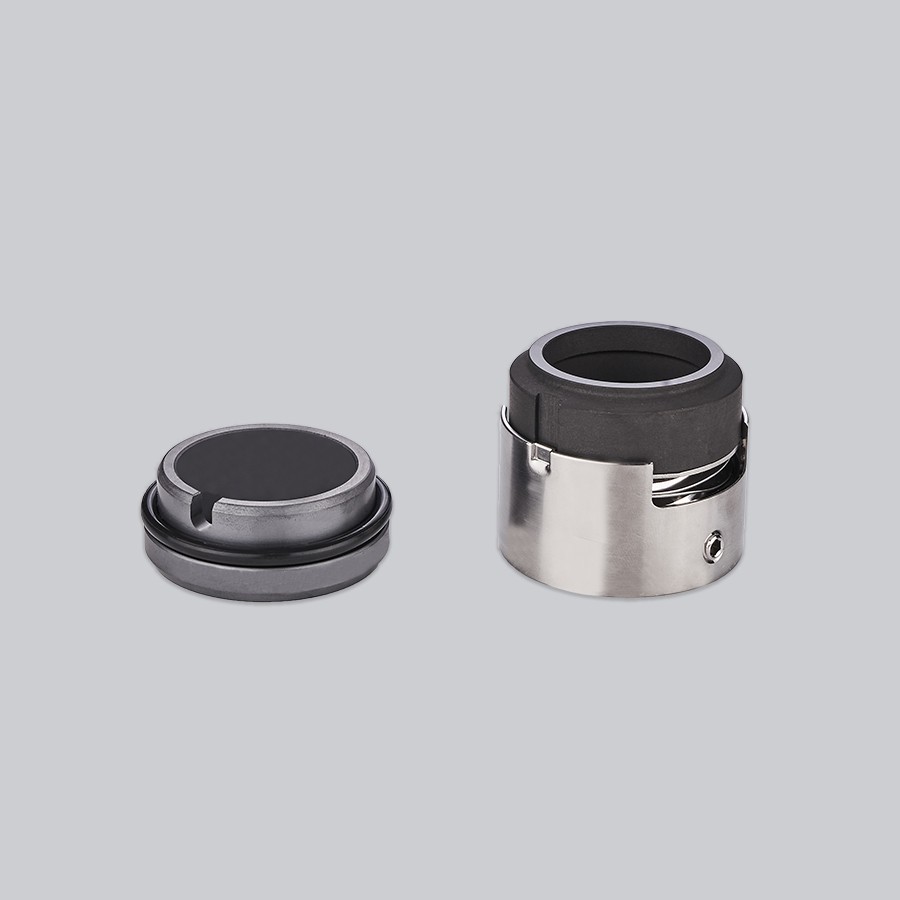
Component mechanical seals remain the optimal choice in three common scenarios: when equipment was originally engineered for component-style seals and a like-for-like replacement is required; when a compact, integrated design with high reliability and simplified assembly is a priority; and when upgrading to a cartridge seal would add unnecessary complexity and cost with no measurable performance gain.
Key Takeaways
- Component seals work best for equipment originally designed for them, ensuring perfect fit and interchangeable replacement parts.
- They deliver a compact, reliable sealing solution with lower upfront cost and part-level repairability.
- Proper installation and correct material selection are the biggest drivers of seal life and leak prevention.
- Cartridge seals reduce installation error risk but cost 2–3x more upfront.
- Always evaluate performance, application fit, compliance, and total cost together instead of choosing on price alone.
Core Scenarios Where Component Seals Are the Right Choice
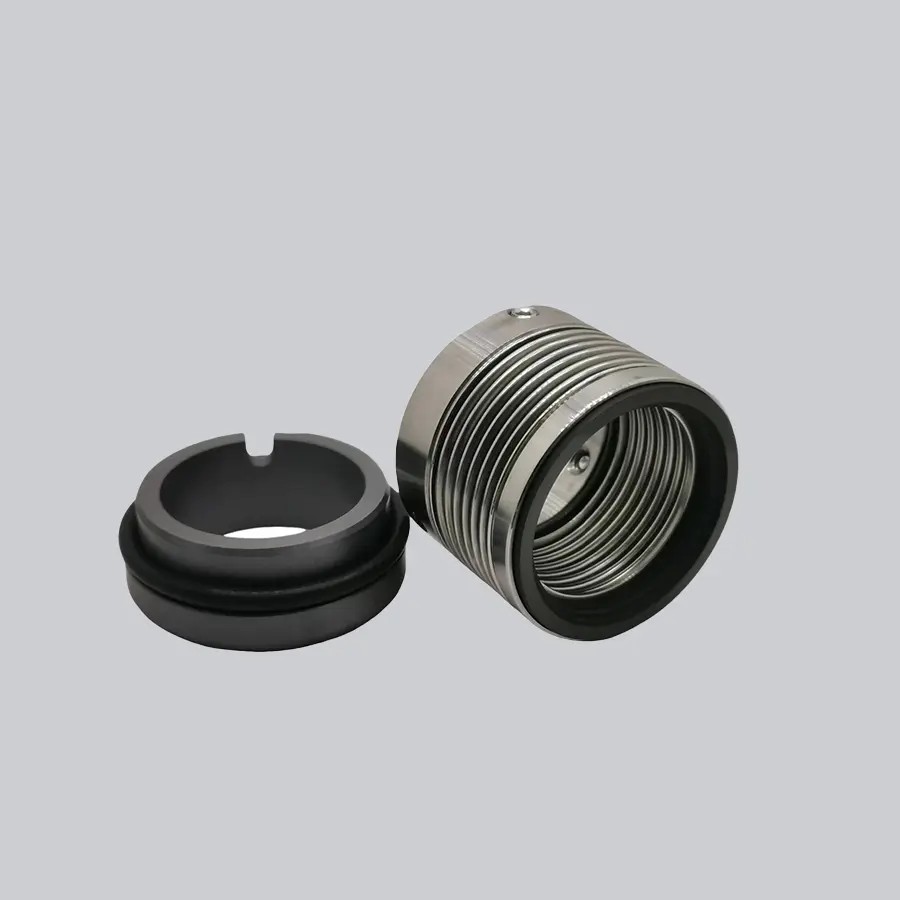
Component seals are assembled on-site from separate rotating and stationary parts, rather than arriving as a pre-set single unit. They are still the preferred solution in three well-defined use cases:
- Like-for-like replacement of OEM equipment: If the pump was originally built around a component seal, a matching replacement preserves the original design intent, fits perfectly, and avoids costly modifications to the pump housing or shaft.
- Compact, space-constrained designs: Component seals have a smaller footprint and integrate directly into the pump assembly, making them ideal for equipment where installation space is limited.
- Cost-sensitive operations with in-house expertise: Facilities with trained maintenance teams and spare parts inventory can service component seals at a far lower per-repair cost than cartridge seals, with no compromise in performance when installed correctly.
Component Seals vs. Cartridge Seals: Deep Comparison
The most common selection decision is between component seals and pre-assembled cartridge seals. Neither is universally better — the right choice depends on your operation’s maintenance capabilities and downtime costs.
| Factor | Component Seals | Cartridge Seals |
|---|---|---|
| Upfront cost | Lower (1x baseline) | 2–3x higher |
| Installation | Requires skilled labor, precise spring setting and alignment | Plug-and-play; pre-set axial dimensions, no manual measurement |
| Installation error risk | Higher; poor assembly is a top cause of premature failure | Very low; factory-aligned design eliminates most assembly mistakes |
| Repair model | Part-level replacement (swap only damaged face/elastomer) | Full unit replacement |
| Exposure to damage during handling | Higher; exposed parts are vulnerable to dirt and impact | Lower; fully enclosed housing protects faces |
| Best suited for | Skilled maintenance teams, OEM replacement, cost-sensitive sites | Low-maintenance sites, high-downtime-cost operations, new installations |
Deep dive: Why installation quality matters more than seal type
Roughly 90% of premature mechanical seal failures are caused by external operating conditions, not the seal itself: dry running, shaft misalignment, vibration, cavitation, fluid contamination, and worn bearings. Both seal types are vulnerable to these failures.
For component seals, however, poor assembly is an additional major risk: incorrect spring compression, pinched or cut elastomers, and misaligned seats all widen the critical 5–50 microinch seal face gap and cause immediate leakage. For sites with untrained maintenance staff, this extra risk makes cartridge seals the more reliable choice despite the higher upfront price. For sites with experienced technicians, component seals deliver identical performance at a lower long-term cost.
Key Considerations Before Choosing a Component Seal
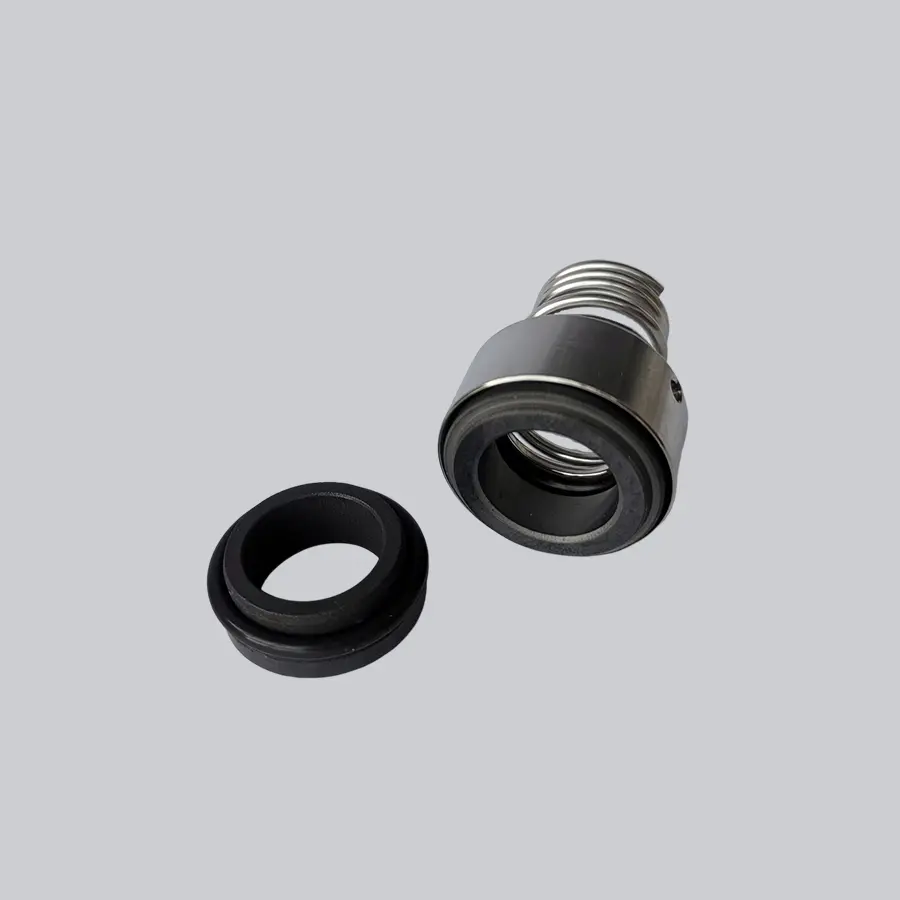
1. Technical performance match
Start with your operating limits: temperature range, pressure rating, and fluid chemistry. Narrow down face material and elastomer first, then evaluate seal style. A seal with mismatched materials will fail quickly regardless of whether it is component or cartridge style.
2. Regulatory and standard compliance
For regulated industries, confirm alignment with DIN 24960, EN 12756, and ISO 3069 dimensional standards. Standardized seals are interchangeable across manufacturers, simplify spare parts sourcing, and ensure consistent performance expectations.
3. Total cost of ownership (TCO)
Initial purchase price is only a small fraction of the full lifecycle cost. Over a 15–20 year pump service life, approximately 10% of total cost comes from initial equipment purchase, 40% from energy use, and 25% from maintenance.
- Component seals have lower upfront cost and lower per-repair cost, but higher installation labor and higher failure risk if assembled incorrectly.
- Cartridge seals have higher upfront cost but reduce installation time and lower assembly-related failure risk.
For operations where downtime costs hundreds or thousands of dollars per hour, the reliability premium of cartridge seals almost always pays for itself. For sites with spare pumps, redundant systems, and in-house maintenance expertise, component seals deliver better total value.
4. Spare parts availability
Component seals have been an industry standard for decades, and replacement faces, springs, and elastomers are widely available from multiple manufacturers. This part-level repairability allows seals to be rebuilt multiple times at a fraction of the cost of a full cartridge replacement, making component seals a practical option to discuss with a mechanical seal manufacturer when evaluating maintenance and replacement costs.
FAQ
When should a plant choose a component seal over a cartridge seal?
Choose a component seal when the equipment was originally engineered for one and a matching OEM replacement is available. They are also ideal for compact installations, sites with skilled maintenance teams, and cost-sensitive operations where part-level repair is preferred.
Do component seals fail more often than cartridge seals?
No. Most seal failures stem from external causes: dry running, vibration, cavitation, and fluid contamination affect both designs equally. Installation quality is the biggest variable — when assembled correctly, component seals deliver identical reliability.
Can you repair a component seal without replacing the whole unit?
Yes. Technicians can replace individual damaged faces, elastomers, or springs without discarding the entire seal assembly. This part-level repair reduces rebuild cost and extends pump service life, provided spare parts are in stock and assembly is performed correctly.
What standards should I verify before ordering?
For regulated industrial applications, look for compliance with DIN 24960, EN 12756, and ISO 3069. These dimensional standards ensure interchangeability across manufacturers and set baseline performance expectations.
How does installation affect seal failure risk?
Poor installation is a top cause of premature component seal failure. Incorrect spring adjustment, pinched elastomers, misaligned seats, and shaft vibration all widen the seal face gap and cause leaks. Pre-installation inspection, correct seat fitting, and controlled startup procedures drastically reduce this risk.