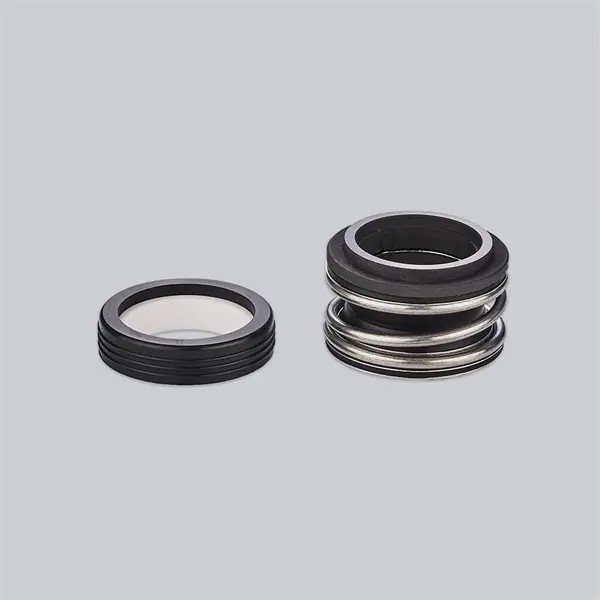
Proper maintenance is essential for extending mechanical seal service life and preventing premature failure. Common causes of mechanical seal problems include improper installation, dry running, excessive vibration, inadequate flushing, and poor operating conditions. Regular inspection and proper maintenance can help identify these issues early, reduce unplanned failures and downtime, and keep mechanical seals operating reliably for longer.
Key Takeaways
- Routine maintenance prevents most premature mechanical seal failures and significantly extends service life.
- Maintain consistent lubrication and cooling to avoid dry-running — the leading cause of seal failure.
- Proper installation and alignment prevent uneven wear and early leakage.
- Operate pumps within their design limits to reduce vibration, heat, and seal face stress.
- Follow scheduled inspection, barrier fluid replacement, and flush system maintenance for maximum seal life.
Why Proper Maintenance Extends Mechanical Seal Life
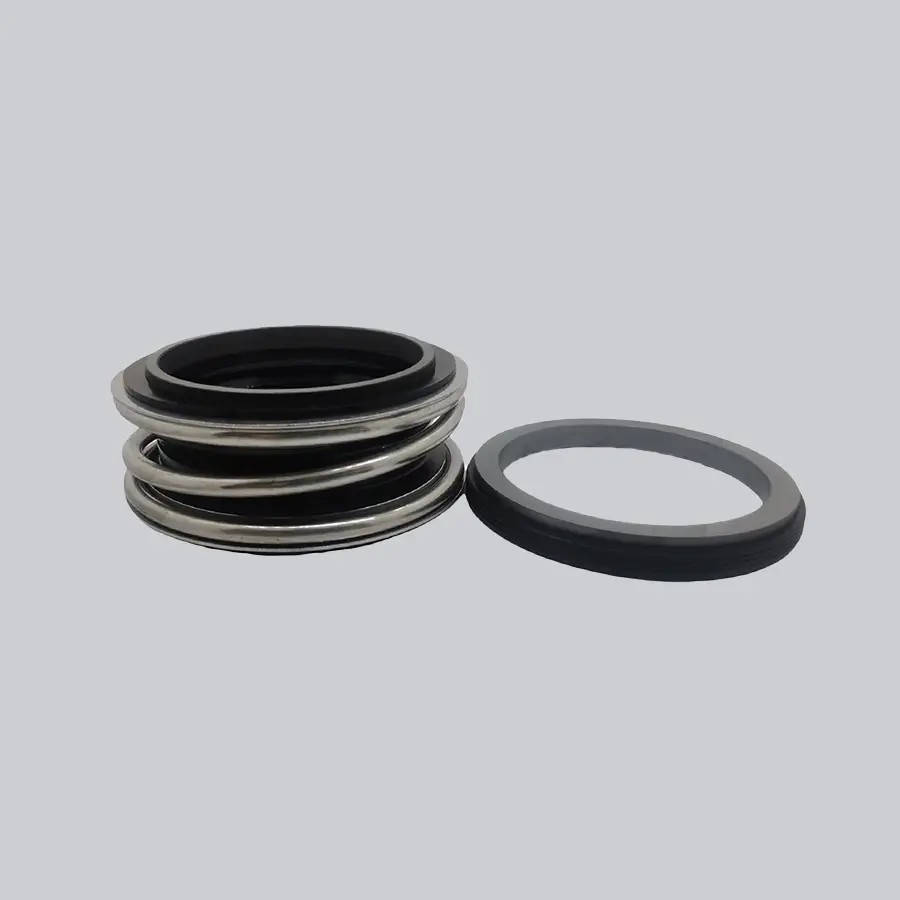
Most seal failures trace back to preventable operating or maintenance issues, not seal manufacturing defects. The top failure causes include:
- Dry-running: The number one cause of premature seal failure. Without a continuous lubricating fluid film between seal faces, friction generates extreme heat in seconds, damaging face surfaces and leading to catastrophic failure.
- Improper installation: A misaligned, off-center, or over-compressed seal cannot maintain uniform face contact, causing wobbling, uneven wear, and early leakage.
- Operation outside design limits: Running pumps far from their best efficiency point (BEP) creates hydraulic imbalance, vibration, and thermal stress that accelerate seal wear.
- Contaminated flush media: Abrasive particles in flush fluid score and erode seal faces over time.
- Inadequate seal support systems: Insufficient flush flow, incorrect pressure, or degraded barrier fluid fail to keep seal faces cool and lubricated.
Proper Installation for Maximum Seal Life
Proper installation helps prevent premature leakage and uneven wear. Always follow the seal manufacturer‘s specifications, as installation requirements vary by seal design.
- Inspect the shaft and sealing surfaces. Check for wear, damage, burrs, and excessive runout.
- Clean the components. Keep the shaft, seal faces, gland, and stuffing box clean and free of debris.
- Install the seal correctly. Position the seal, gasket, and other components according to the manufacturer’s instructions without damaging the sealing faces or elastomers.
- Tighten components evenly. Secure gland bolts and other fasteners evenly to maintain proper alignment.
- Connect the seal support system. Verify flush, quench, cooling, or barrier-fluid connections when required.
- Check before startup. Remove temporary setting devices when applicable and verify that the shaft can rotate freely.
Best practices: Handle seals with clean hands or gloves, keep sealing faces clean, use compatible lubricant when required, and avoid excessive tightening force.
Mechanical Seal Maintenance Best Practices
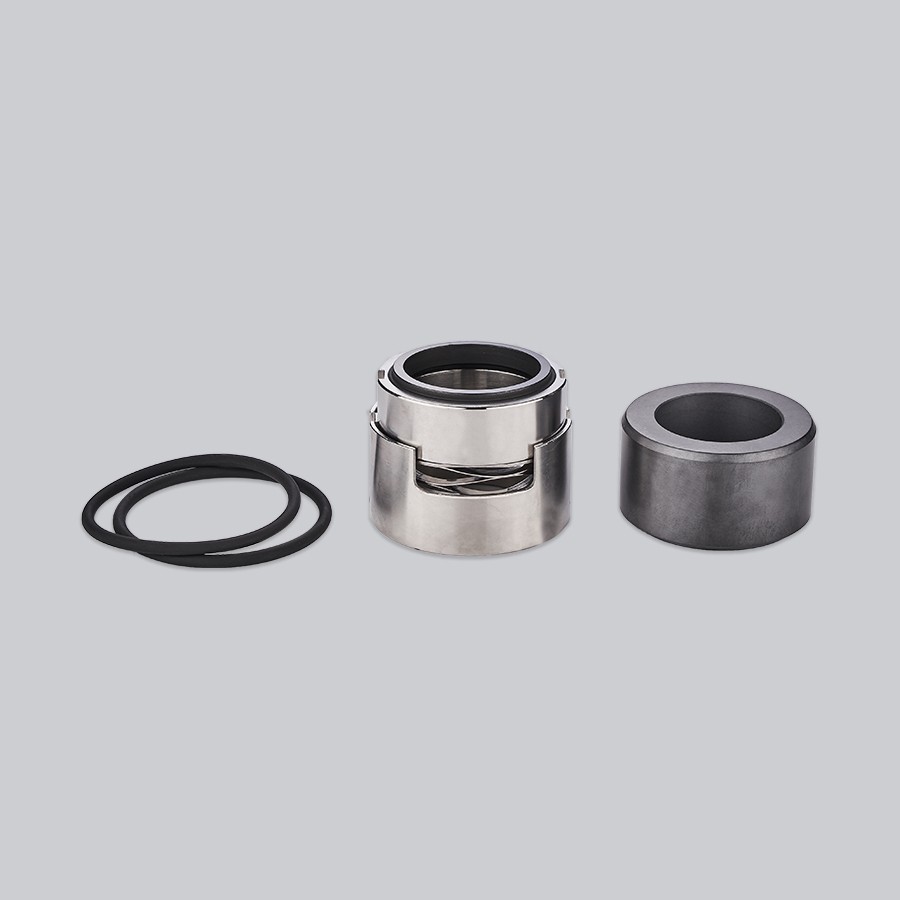
1. Regular Inspection & Cleaning
Scheduled inspections catch minor issues before they turn into costly breakdowns. Inspection frequency should adjust according to your working environment:
- Harsh/Abrasive Environments: Inspect every few months.
- Corrosive Fluid Service: Increase inspection frequency to prevent structural damage.
- Clean/Stable Environments: Annual inspections are typically sufficient.
During each check, ensure your team:
- Looks for visible liquid or vapor leakage around the seal housing.
- Inspects seal faces for wear, scoring, or pitting.
- Examines O-rings and gaskets for hardening, swelling, or cracking.
- Cleans the seal chamber to remove debris and built-up solids.
2. Lubrication, Flush & Filtration
A stable lubricating film between seal faces prevents overheating.
- Ensure Proper Flow: Both single and double mechanical seals require a consistent flow of clean fluid. Insufficient flow can cause rapid face wear and total failure within minutes.
- Incorporate Media Filtration: Filter the flush media to remove abrasive solids. Choose the right piping plan (e.g., adding strainers, using external clean sources, or using barrier reservoirs) based on your process fluid characteristics.
- Monitor the System: Install gauges, control valves, or transmitters to detect any sudden drops in pressure or flow.
3. Keep Pumps Within Design Limits
Running your pumps at their Best Efficiency Point (BEP) minimizes mechanical stress on the seals.
- Avoid BEP Deviation: Running too far left or right of the BEP causes strong vibration and unstable fluid dynamics, disrupting the lubricating film.
- Prevent Cavitation: The formation and collapse of vapor bubbles create shockwaves that chip seal faces and degrade elastomers.
- Eliminate Deadheading: Never run a centrifugal pump with zero through-flow. This traps and superheats the fluid, causing the seals to crack or score.
4. Pressure & Temperature Management
- Maintain Positive Differential Pressure: Ensure your flush pressure remains consistently higher than the stuffing box pressure to keep clean fluid at the faces and prevent process contamination.
- Avoid Thermal Cycling: Rapid temperature swings cause materials to expand and contract at different rates, leading to face separation and elastomer degradation.
- Replace Barrier Fluids Regionally: Barrier fluids break down over time, and degradation accelerates at higher temperatures. Establish a strict routine replacement interval.
FAQ
Can a Mechanical Seal Be Repaired Instead of Replaced?
Some mechanical seals can be repaired or refurbished by replacing worn components such as seal faces, O-rings, or gaskets. Whether repair is practical depends on the seal design, damage, component availability, and repair requirements.
What Factors Affect Mechanical Seal Service Life?
Service life depends on factors such as the process fluid, pressure, temperature, shaft speed, seal materials, pump operating conditions, installation quality, and maintenance. Abrasive or corrosive fluids and unstable operating conditions can increase wear.
Does Pump Type Affect Mechanical Seal Life?
Yes. Pump type and operating conditions can affect vibration, pressure, temperature, shaft movement, and fluid circulation around the seal. The mechanical seal should therefore be selected and operated according to the specific pump and application.