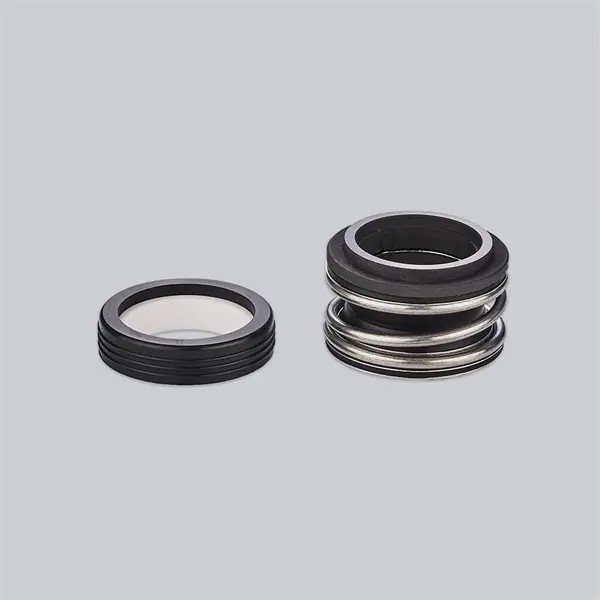
pump rotor set

A pump rotor set is one of the most important parts in a positive displacement pump. It includes the rotating components that move fluid efficiently and smoothly inside the pump. A complete rotor set usually contains one or more rotors, shafts, and other matching parts that work together to ensure stable performance and long service life.

Victor is a professional pump rotor set manufacturer based in China. With years of experience in precision machining and material engineering, Victor produces high-quality replacement pump rotor sets compatible with well-known brands such as IMO and Allweiler. Our products are designed to meet or exceed the original specifications, providing reliable performance, durability, and cost-effective solutions for industrial and marine applications.

different types of pump rotor set

IMO pump rotor set

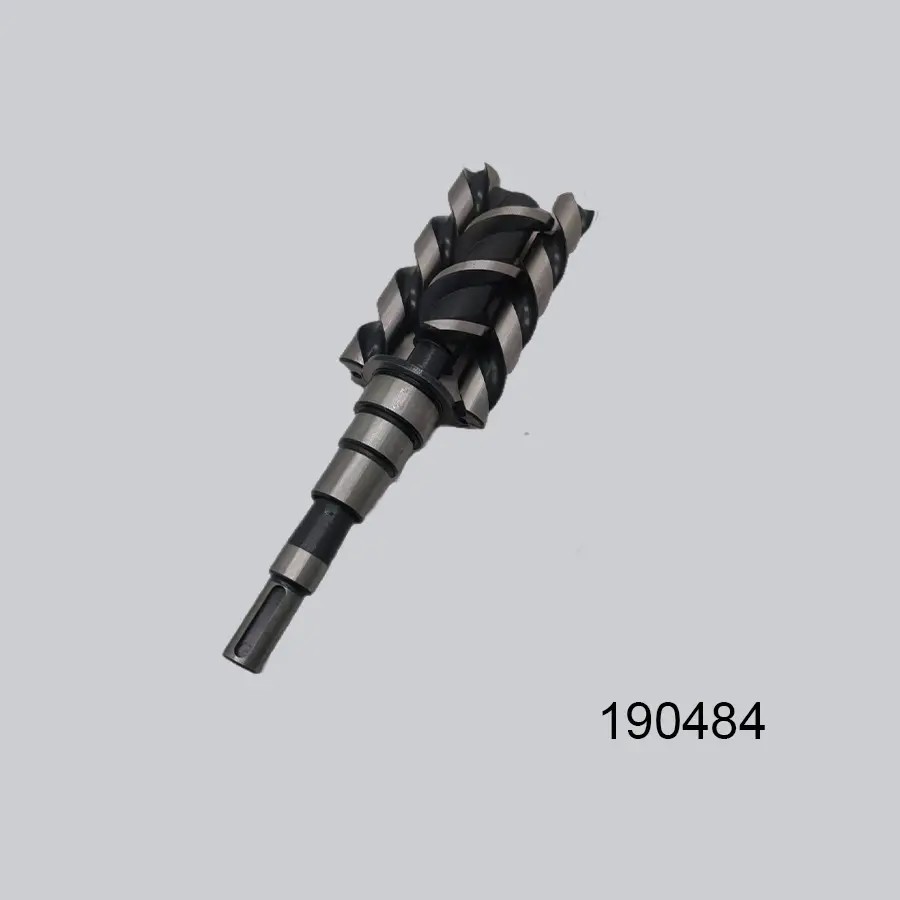
IMO PUMP ROTOR SET G012 ACE 32 N3 P190484

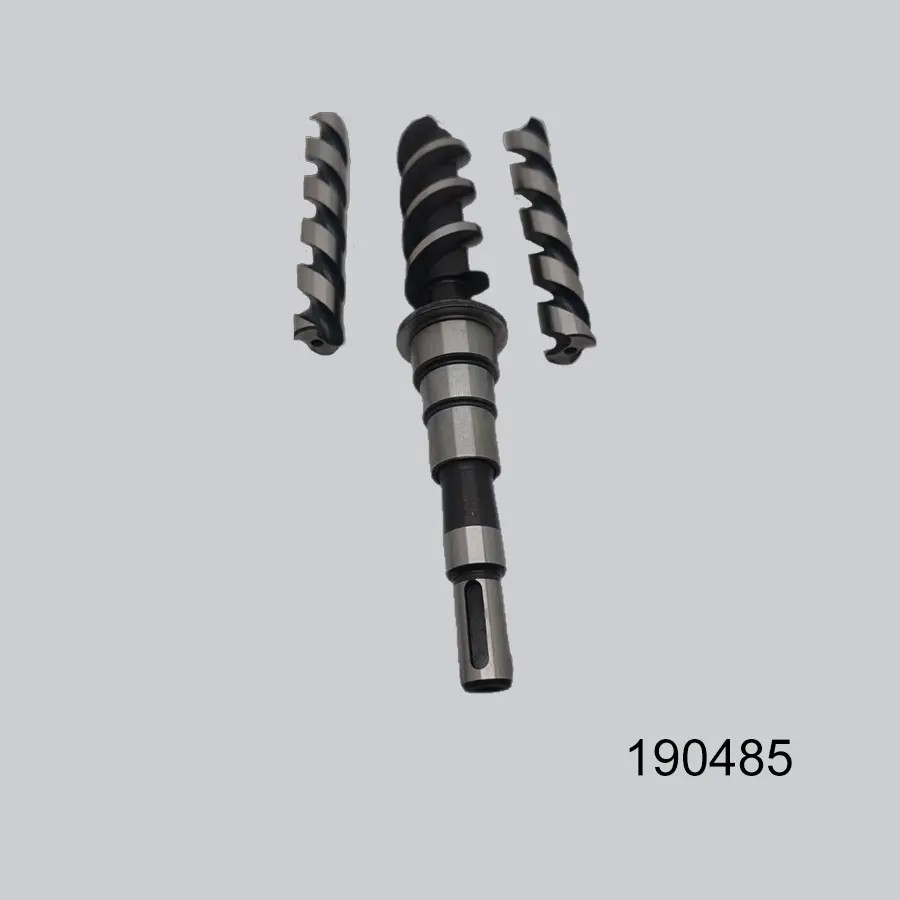
IMO PUMP ROTOR SET G012 ACE 32 L3 P190485

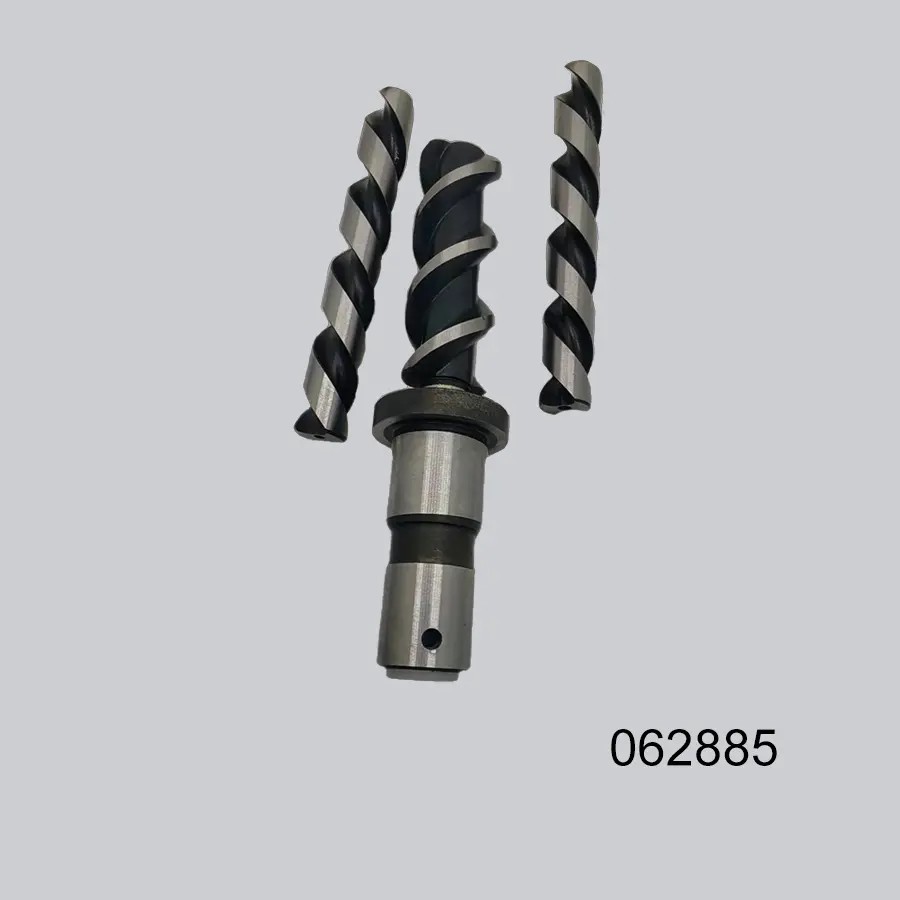
Rotor set for IMO pump ACD/ACP 025 L6 G012 P062885

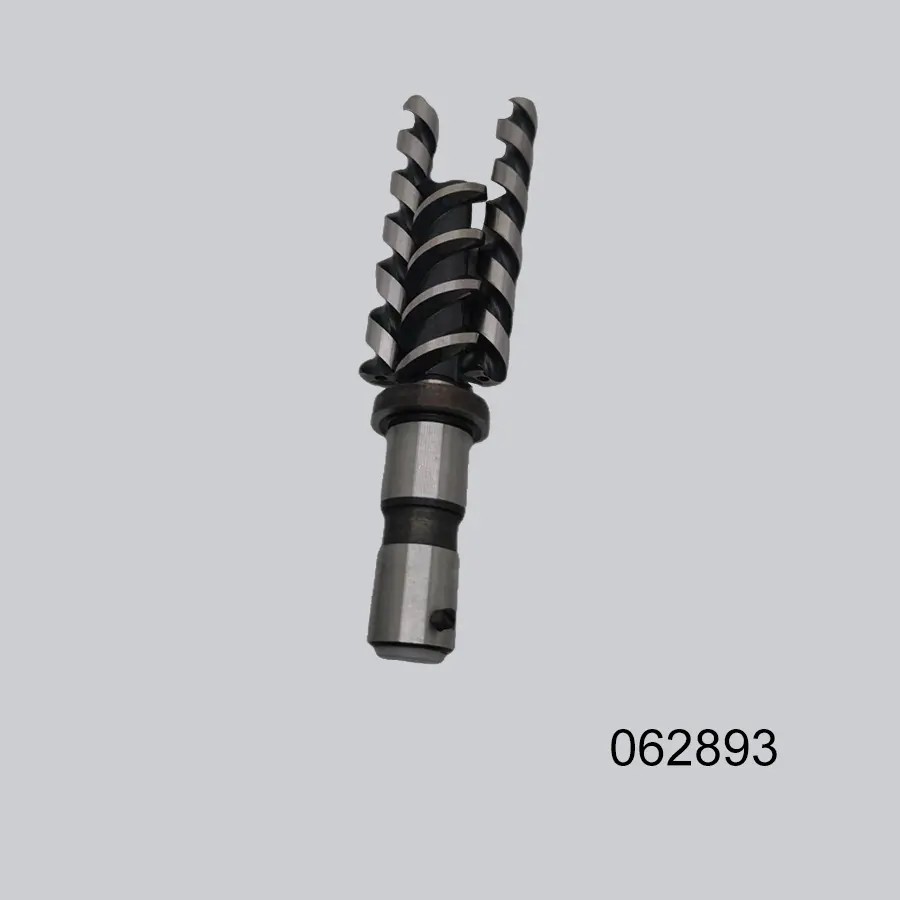
Rotor set for IMO pump ACD/ACP 025 N6 G012 P062893

Allweiler pump rotor set

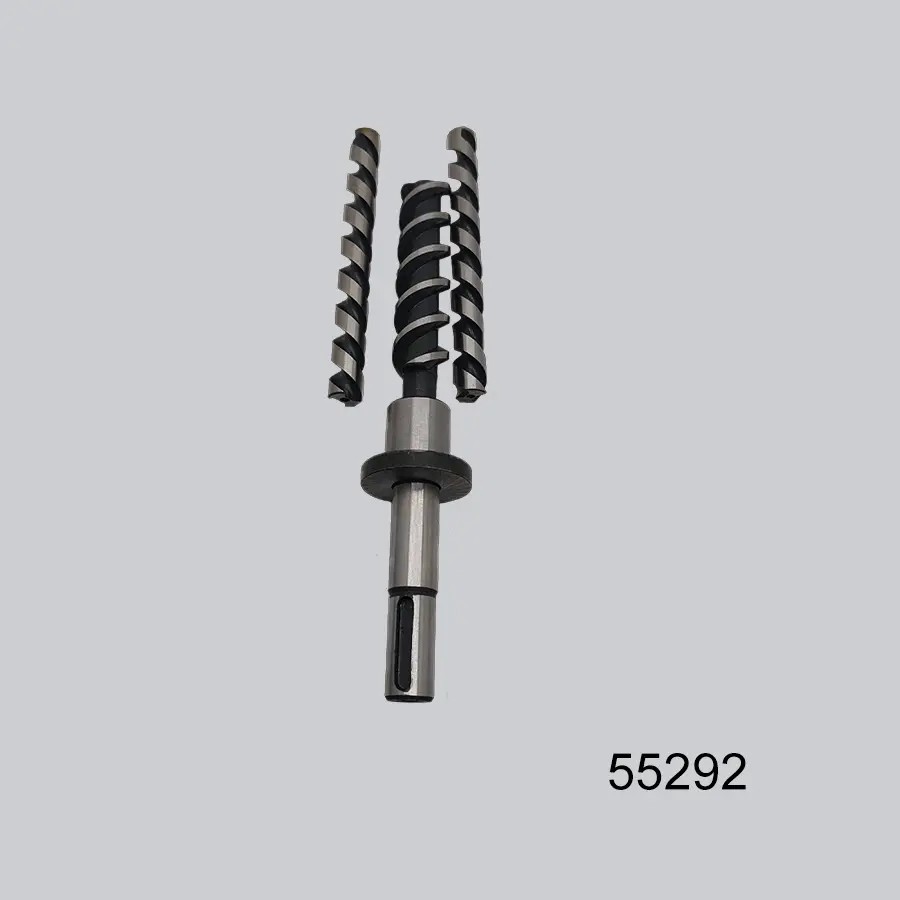
Allweiler pump SPF10 38 rotor set 55292

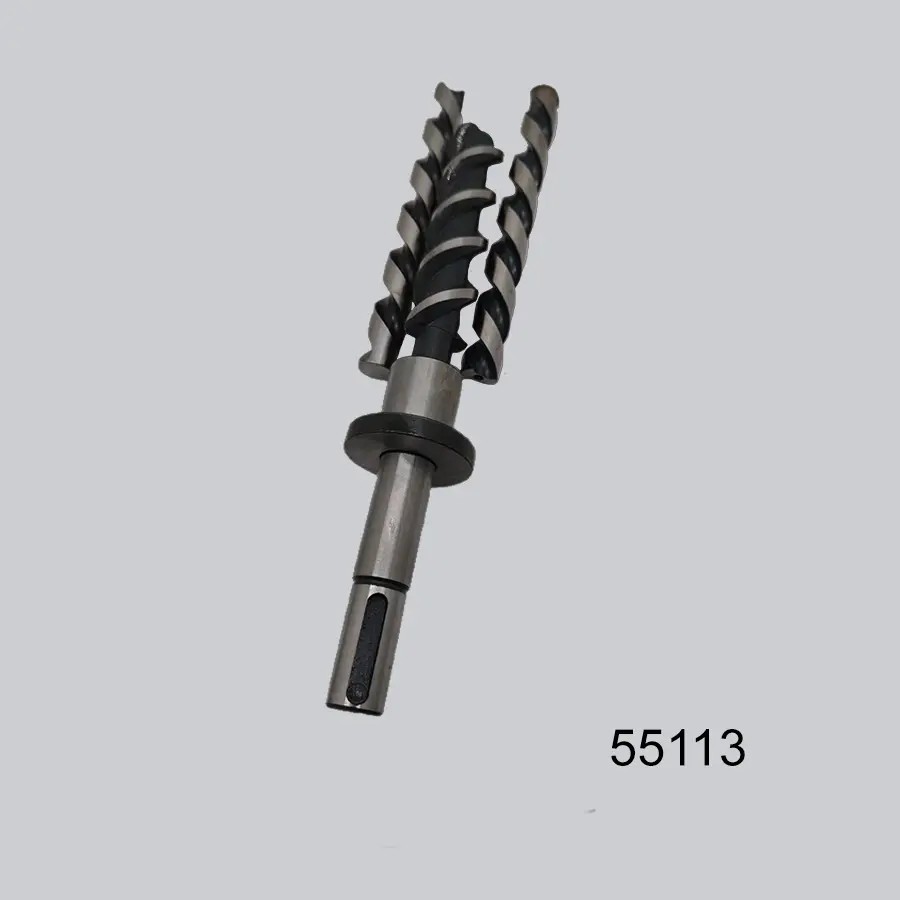
Allweiler pump SPF10 46 rotor set 55113

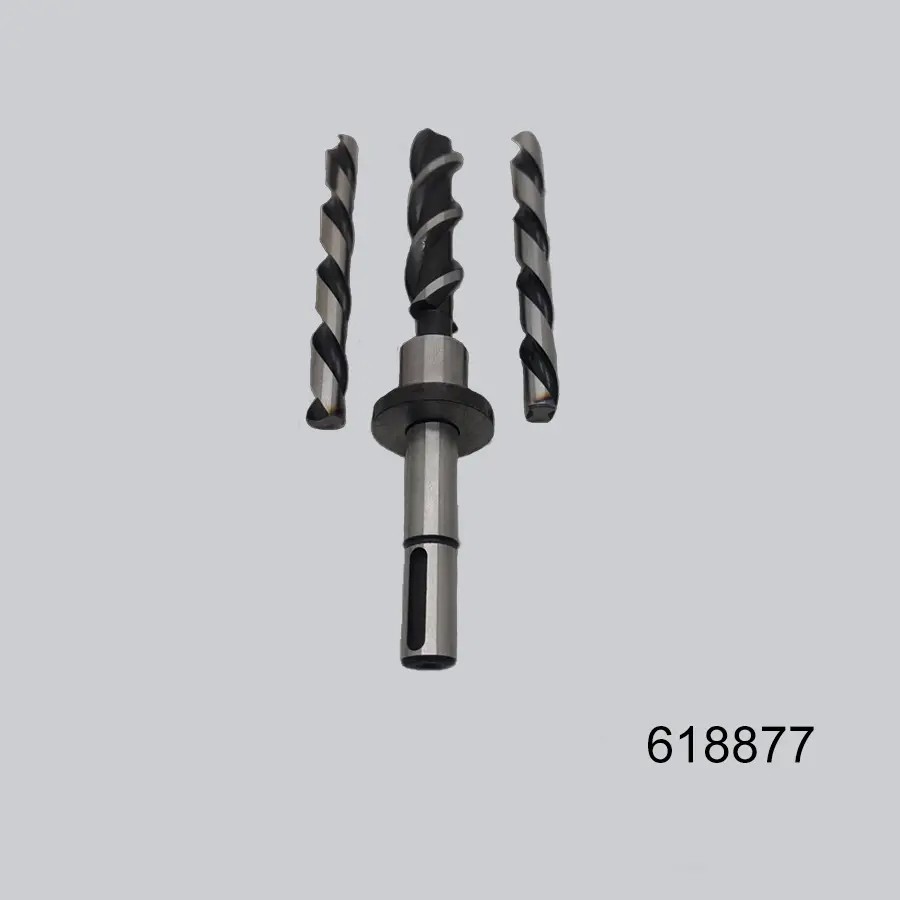
Allweiler pump rotor set SPF10-56 618877

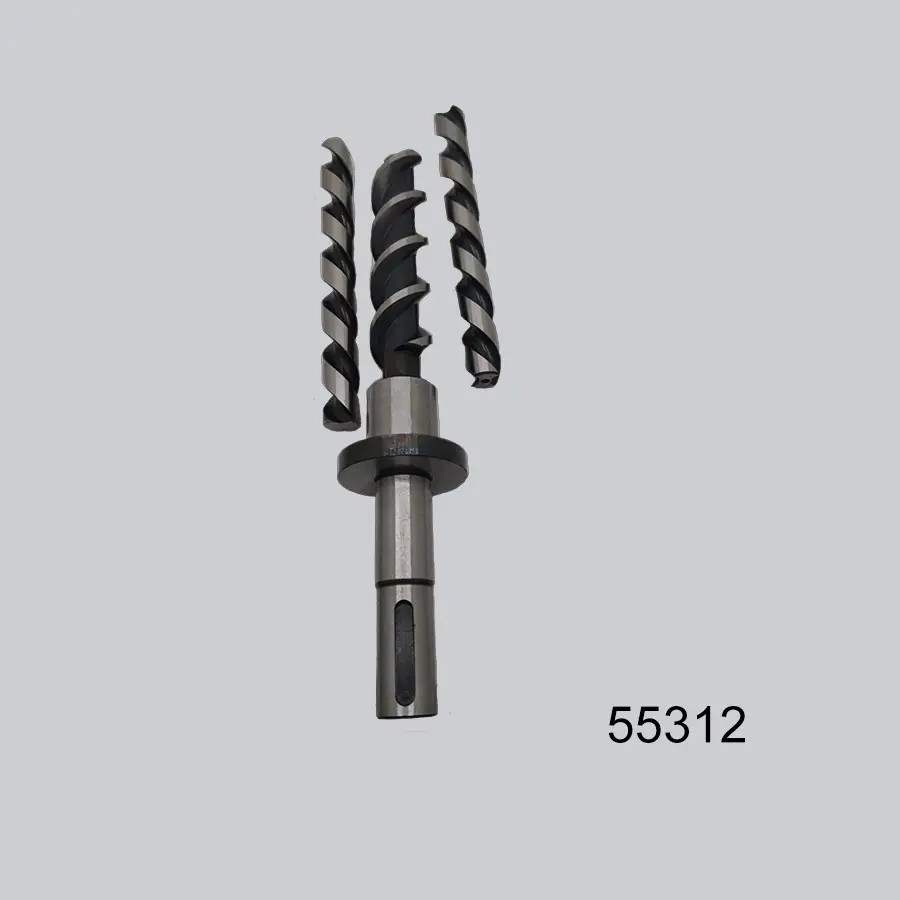
Allweiler SPF 20 46 rotor pump set 55312

Ningbo Victor

China pump rotor set manufacturer

globally trusted marine pump rotor set expert

With 27 years of experience and international registrations, VICTOR delivers precise and durable marine pump rotor set, widely recognized by shipbuilders worldwide.

cost-effective alternative to top brands

Our products perform like branded originals, but are priced approximately 10% lower, helping customers reduce costs without compromising quality.

fast delivery with ample inventory

Extensive stock ensures timely order fulfillment, minimizing production delays and keeping vessels and pump equipment operating efficiently at all times.

pump rotor set FAQ

Related blogs

Acquire all kinds of knowledge from professional China pump rotor set supplier

What are the three basic parts of mechanical seals?

Mechanical seals are designed to prevent fluid leakage in rotating equipment such as pumps and compressors. While designs may vary, most mechanical seals consist of three essential components: primary seal faces, secondary seals, and a spring mechanism. Each component plays a distinct role in maintaining sealing performance, reliability, and service

Read More »

Can mechanical seal run dry?

Most mechanical seals cannot operate without proper lubrication. A thin fluid film forms between the seal faces, reducing friction, dissipating heat, and preventing leakage. Without this lubrication layer, friction and temperature rise rapidly, leading to accelerated wear and potential seal failure. Some advanced designs, such as component mechanical seals, use

Read More »

Can you touch a mechanical seal?

No, people should not touch a mechanical seal with bare hands. If you touch the seal, it can get dirty or damaged. This can cause leaks or make the seal work badly. Victor’s products have clear instructions for handling. These instructions help stop these problems. Safety and cleanliness are very

Read More »

What is the function of a mechanical seal in a pump?

If you’ve ever seen a puddle under a centrifugal pump or noticed fluid leaking around the shaft, you’ve already seen the result of poor sealing. A mechanical seal is the engineered solution—designed to create a tight barrier where the rotating shaft passes through the pump housing. Its core function is

Read More »

what is a pump rotor

A pump rotor is a critical component of certain types of pumps, particularly centrifugal pumps and positive displacement pumps. It is the rotating part of the pump that imparts energy to the fluid being pumped, enabling it to move through the system.

Key Functions of a Pump Rotor:
Fluid Movement: The rotor creates a flow of fluid by converting mechanical energy into hydraulic energy. In centrifugal pumps, the rotor (often called an impeller) spins, creating a low-pressure area that draws fluid in and then pushes it outwards.

Pressure Generation: In positive displacement pumps, the rotor helps to trap a fixed volume of fluid and then forces it out of the pump, generating pressure.

Efficiency: The design and material of the rotor can significantly affect the efficiency of the pump. Factors such as rotor shape, size, and surface finish can influence how effectively the pump moves fluid.

Types of Rotors:
Centrifugal Pump Rotors (Impellers): These are typically designed with blades that help to accelerate the fluid outward from the center of rotation.

Positive Displacement Pump Rotors: These can vary widely in design, including gear rotors, diaphragm rotors, and screw rotors, each suited for different applications and fluid types.