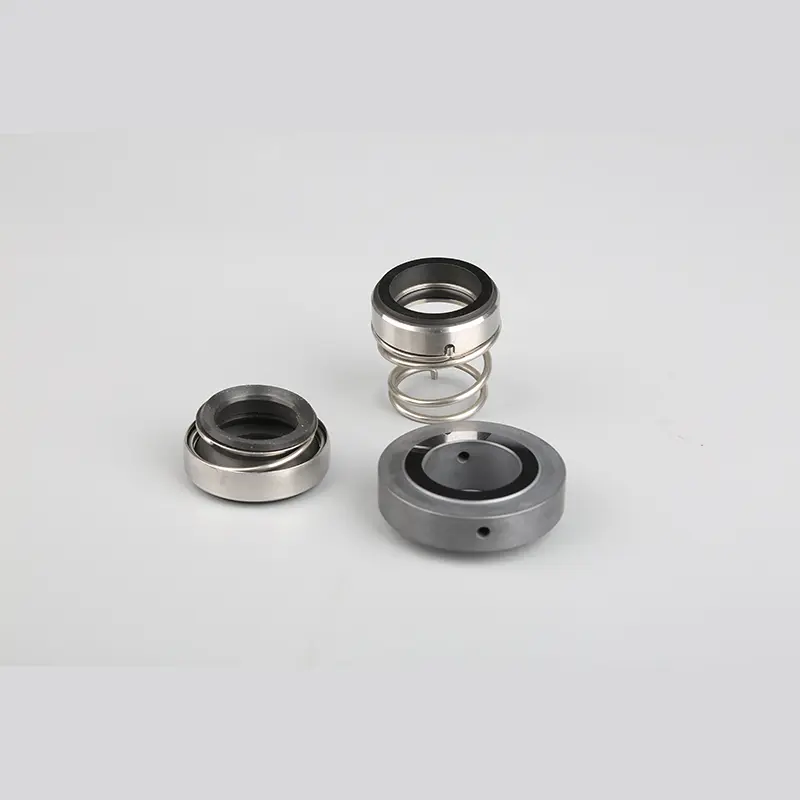
Mechanical seal failures account for roughly 69% of all centrifugal pump breakdowns, yet the seal itself is often a symptom, not the root cause. Issues like shaft misalignment, dry running, and fluid contamination typically damage the seal as a secondary failure. Catching early warning signs prevents unplanned downtime, costly repairs, product loss, and safety hazards.
This troubleshooting guide gives maintenance technicians and reliability engineers actionable steps to identify, diagnose, and prevent mechanical seal failure before it leads to full pump shutdown. Readers will learn to recognize red flags, interpret seal damage patterns, and fix underlying system issues instead of just replacing parts.
Key Takeaways
- Four early red flags signal impending seal failure: excessive leakage, high-pitched squealing/popping, localized hot spots, and increased vibration.
- Always address the root cause, not just the seal: misalignment, dry running, and contamination are the most common underlying triggers.
- Inspect seal face damage patterns (scoring, heat cracks, uneven wear) to diagnose the true source of failure and prevent repeats.
4 Early Warning Signs of Mechanical Seal Failure
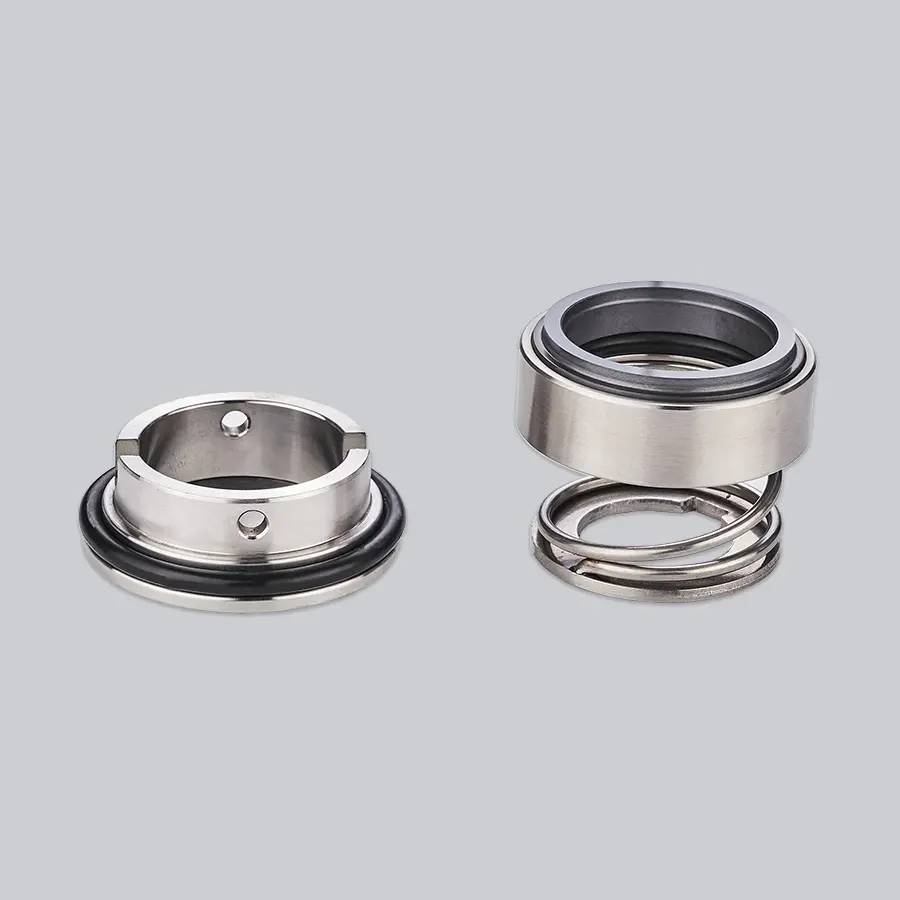
Mechanical seals create a leak-tight barrier where the pump shaft passes through the housing, using precision-lapped rotating and stationary faces that slide against each other on a thin controlled fluid film. They rarely fail from old age alone — most early failures stem from operating conditions or installation errors. Watch for these four consistent early indicators:
1. Excessive Leakage
All mechanical seals experience light “weeping” — a fine vapor mist that leaves no visible residue — as part of normal operation. Failure-level leakage appears as a steady drip, spray, or visible fluid buildup around the gland.
Under API 682 standards, hazardous fluid leakage must stay below 100 milliliters per day; any volume above this threshold requires immediate attention. Gland discoloration or fluid color changes often appear before visible dripping, making them useful early clues.
2. Abnormal High-Pitched Noise
High-pitched squealing typically signals dry running or insufficient face lubrication. Popping or “flashing” sounds occur when process fluid flashes to vapor between the seal faces, or when the faces separate and re-contact. Any new squeal, pop, or grinding noise from the seal gland warrants immediate inspection.
3. Localized Temperature Rise & Hot Spots
Heat builds before visible leakage appears. The seal gland will feel noticeably hotter than the pump casing, and slight fluid discoloration may be present. Localized hot spots almost always indicate insufficient flush flow, dry running, or fluid flashing inside the seal. These require urgent attention to prevent permanent face damage.
4. Increased Vibration
Vibration is one of the most reliable early failure signals, often appearing before leakage is visible. Causes include shaft misalignment, bearing wear, impeller imbalance, foundation weakness, or operation far off the pump’s best efficiency point (BEP).
These forces make the rotating seal face wobble against the stationary face, breaking the protective fluid film and creating cyclic impact loads that lead to fatigue cracks over time.
Common Root Causes & Seal Damage Patterns
The seal is almost always the victim, not the cause of failure. A European Sealing Association analysis of 3,500 pump failures across 18 end users found mechanical seals were involved in ~60% of cases, but most failures stemmed from upstream operating issues. An experienced mechanical seal manufacturer can help identify these issues by examining seal-face damage and evaluating operating conditions.
Each root cause leaves a distinct damage pattern on the seal faces:
| Damage Pattern | Likely Root Cause |
|---|---|
| Scoring, pits, or flat spots on seal faces | Trapped dirt, particulates, or process fluid contamination |
| Blueing, heat checks (radial cracks), or blistering | Dry running, insufficient flush cooling, or poor lubrication |
| Uneven wear around the seal circumference | Shaft misalignment, housing distortion, or bent shaft |
| Fan-shaped fracture patterns | Excessive vibration, improper handling, or chipping during installation |
| O-ring extrusion (ragged edges on low-pressure side) | Excessive clearance or over-pressurization |
| O-ring circumferential splits | Over-compression of the seal spring |
Step-by-Step Mechanical Seal Troubleshooting

When early warning signs appear, follow this structured process to identify the root cause and determine next steps.
1. Inspect & Quantify Failure Severity
First, assess the failure level and document damage patterns:
- Confirm leakage volume against API 682 limits to classify severity.
- Visually inspect seal faces for the damage patterns above to narrow down root causes.
- Note whether wear is circumferential, localized, or directional to distinguish contamination from misalignment.
2. Diagnose With Condition Monitoring Tools
- Thermal imaging: Identifies localized hot spots from dry running or blocked flush lines.
- Vibration analysis: Detects misalignment, imbalance, or bearing wear that accelerate seal wear.
- Acoustic emission monitoring: Picks up face contact and dry running before other signs appear.
3. Safe Shutdown & Repair Decision
Follow lockout/tagout procedures before inspecting a failed seal. Allow the seal to cool fully before disassembly — forced cooling with cold water can crack ceramic seal faces.
- If faces are smooth, aligned, and only have light residue: Clean, reassemble, and recheck flush system function.
- If faces have deep scoring, chips, heat cracks, or uneven wear: The seal geometry is compromised and full replacement is required.
Critical Note: Repeated seal failures are not bad luck — they signal an underlying system issue. A pump that chronically destroys seals is likely running dry, operating far from its BEP, suffering from persistent misalignment, or starved of suction pressure. Always inspect shaft alignment, pipe stress, and suction conditions before replacing a seal. A flexible coupling can only compensate for very small misalignment and will not fix a fundamentally misaligned pump.
FAQ
What counts as a true mechanical seal leak vs. normal weeping?
Normal operation produces only light vapor weeping that leaves no visible residue. Failure-level leakage is a steady drip, spray, or fluid buildup around the gland. API 682 limits hazardous fluid leakage to under 100 mL per day; leakage above this requires immediate action.
Why does a failing seal make squealing or popping noises?
High-pitched squealing almost always comes from dry running or insufficient face lubrication. Popping sounds occur when process fluid flashes to vapor between the faces, or when the faces separate and re-contact. Continued operation will cause permanent heat cracking and seal failure.
How does vibration damage mechanical seals?
Vibration causes the rotating seal face to wobble against the stationary face, breaking the protective fluid film. Cyclic impact loads create fatigue cracks over time. Common sources include shaft misalignment, impeller imbalance, bearing wear, and off-BEP pump operation.
What can seal failure analysis reveal?
By examining damage patterns on failed seal components, technicians can identify the true root cause — whether contamination, overheating, misalignment, or installation error. Each failure mode leaves a distinct signature that points to a specific corrective action, preventing repeat failures.
How big of an impact do seal problems have on pump reliability?
Industry data links mechanical seal issues to roughly 69% of all centrifugal pump breakdowns. Most seal failures are driven by operating conditions (dry running, misalignment, off-design operation) rather than the seal itself, so proper monitoring and system fixes drastically improve pump uptime.