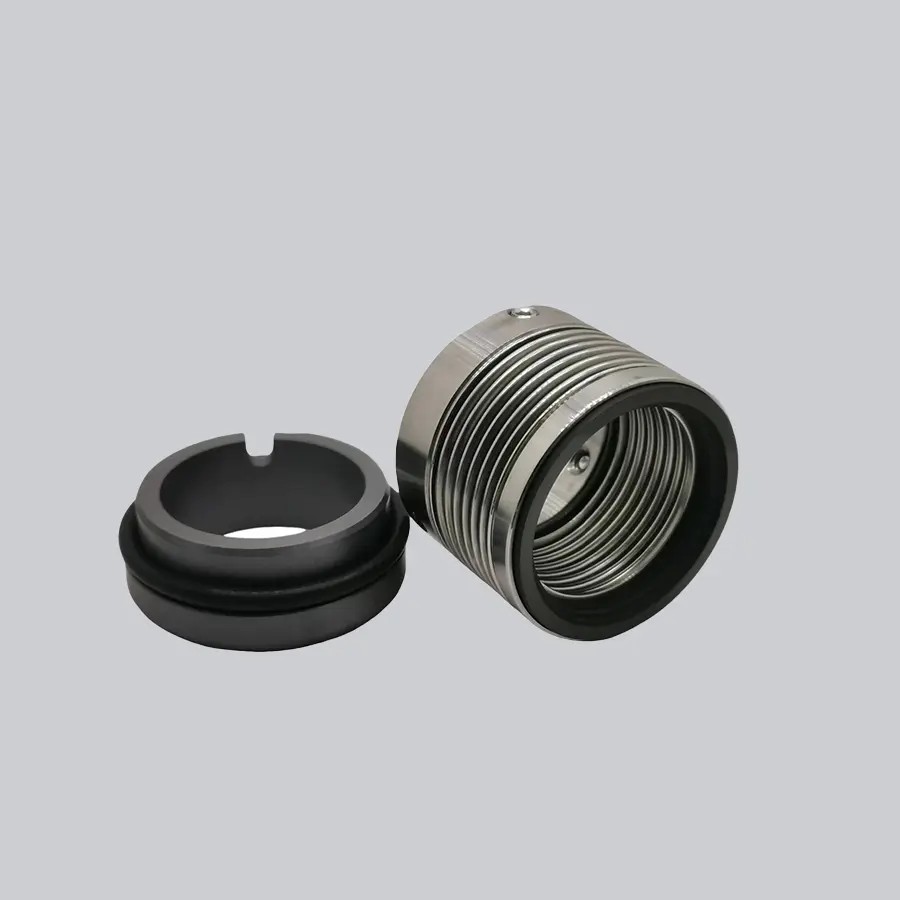
The temperature range of a metal bellows seal varies by design, material and application. General-purpose welded metal bellows seals typically operate from -20°C to 200°C (-4°F to 392°F). High-temperature industrial designs can handle continuous service up to 425°C (800°F), with specialty nickel-alloy units rated for up to 540°C (1004°F) in clean process conditions.
Unlike elastomer O-ring seals that fail above 90–95°C, metal bellows seals use all-welded metal construction instead of rubber secondary seals, making them the standard choice for high-temperature pump service. The actual usable temperature limit always depends on the full assembly rating — not just the bellows itself.
Key Takeaways
- General-purpose metal bellows seals operate from -20°C to 200°C; high-temperature specialty designs can reach up to 540°C.
- Metal bellows seals are ideal for high-heat service because they eliminate rubber O-rings, which harden and fail at roughly 90–95°C.
- A mechanical seal manufacturer should provide the full-assembly temperature rating, not just the standalone bellows rating, since seal faces and gaskets often set the lower limit.
- Clean process fluids are required for reliable performance; solids can become trapped in bellows convolutions and block flexing action.
- Select a seal rated for your maximum operating temperature (including upset spikes) to prevent thermal fatigue and extend service life.
Metal Bellows Seal Temperature Performance
Typical Temperature Ranges by Seal Grade
Ratings represent baseline continuous service limits for complete seal assemblies. Exact values shift based on alloy, face material and fluid conditions.
| Seal Grade | Temperature Range | Typical Use Case |
|---|---|---|
| General-purpose welded bellows | -20°C to 200°C (-4°F to 392°F) | Standard process pumps, water service, mild chemicals |
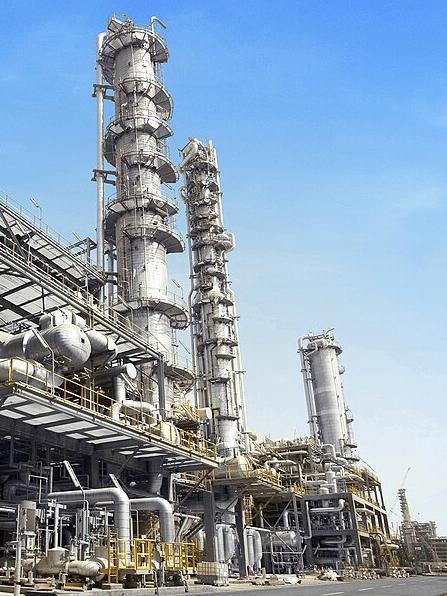
| High-temperature industrial | Up to 425°C (800°F) | Refineries, petrochemical processing, hot hydrocarbon streams |
| Specialty nickel-alloy high-heat | Up to 540°C (1004°F) | Extreme heat process service, specialty chemical reactors |
| Cryogenic-rated | Down to -180°F (-118°C) | Cryogenic storage, low-temperature process systems |
For industry reference, standard models such as the John Crane Type 606 carry a 425°C (800°F) high-temperature rating, while specialty manufacturers build units for 540°C extreme heat and cryogenic service.
Why Metal Bellows Seals Excel at High Temperatures
Conventional elastomer-based pusher seals have a hard temperature ceiling of roughly 90–95°C. Above this threshold, rubber O-rings harden, lose elasticity and take a permanent compression set, breaking the secondary seal and causing leakage. Even premium rubber compounds only extend this limit modestly, leaving a wide gap for high-heat process duty.
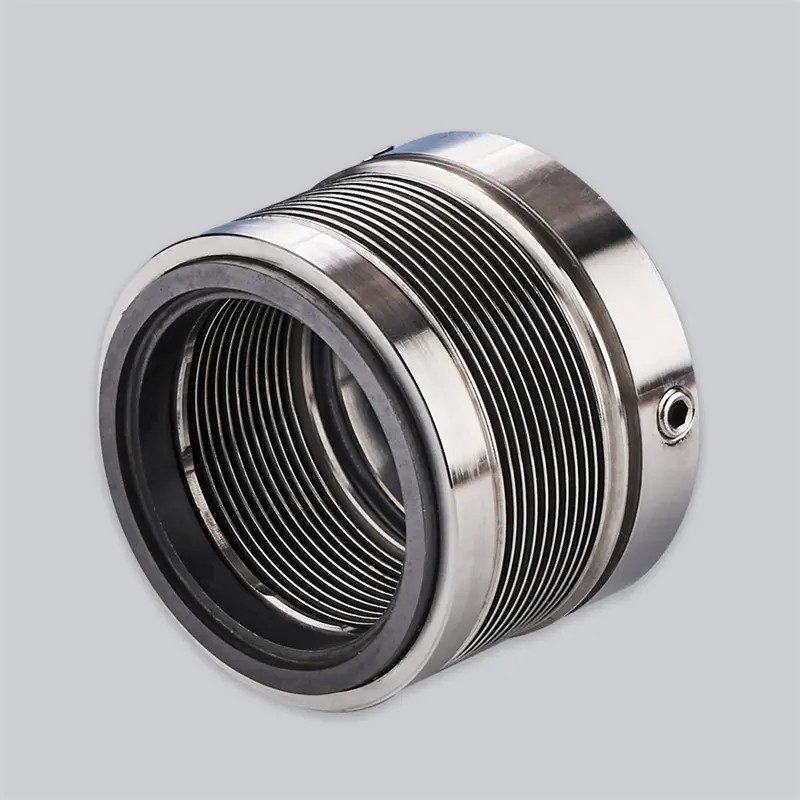
Welded metal bellows seals solve this problem with all-metal construction. The bellows itself acts as both the spring element and the secondary seal, eliminating the need for a dynamically sliding rubber O-ring. Static gaskets handle remaining sealing duties in cooler, protected positions within the assembly.
This design delivers reliable sealing at temperatures where any elastomer would fail. It also removes O-ring fretting wear on worn shafts, another common failure point in older pumps.
Key Factors That Determine Metal Bellows Seal Temperature Limits
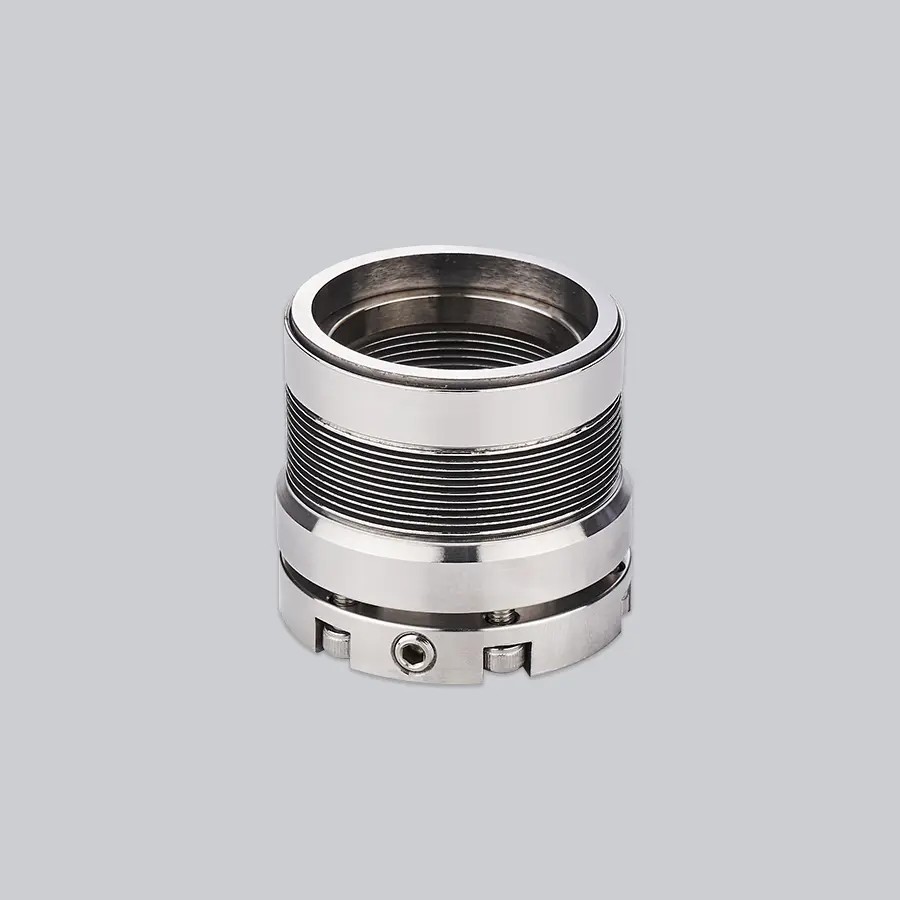
The published bellows temperature rating alone does not define the full assembly’s usable range. Four core factors set the real ceiling and floor.
1. Bellows Alloy Material
The base metal sets the first and largest limit:
- AM350 stainless steel: The most common general-purpose bellows alloy, suitable for most refinery hydrocarbon and asphalt service up to approximately 400°C.
- Nickel-based alloys: Used for higher-temperature service, where they retain strength and oxidation resistance beyond stainless steel limits.
- Cryogenic-grade alloys: Formulated to flex without becoming brittle at extremely low temperatures for cold process service.
Alloy selection must also match fluid chemistry, not just temperature — hot corrosive fluids can degrade some alloys even within their heat rating.
2. Bellows Design Geometry
Convolution count, wall thickness and weld design all impact thermal performance:
- Thinner walls flex more easily but degrade faster under repeated thermal cycling.
- More convolutions distribute flex stress across more material, lowering fatigue per cycle and extending high-temperature service life.
3. Full Assembly Component Ratings
The weakest component in the seal sets the real temperature limit. In most cases, seal face pairs and secondary gaskets have lower temperature ratings than the bellows itself. Always confirm the rating of the complete cartridge assembly, not just the bellows element. For example, Victor metal bellows mechanical seals are rated to +220°C as a full assembly, accounting for faces, gaskets and hardware together.
4. Operating Conditions
Field conditions often reduce usable temperature range compared to lab ratings:
- Temperature spikes, startup surges and blocked cooling lines push seals past their design limit, causing thermal fatigue.
- Dirty or abrasive fluids cause premature failure even within temperature ratings. Solids can pack into bellows convolutions, preventing flex and causing the seal to bind and leak.
Metal Bellows Seal Application & Selection Best Practices
- Start with your maximum operating temperature: Define the hottest steady-state temperature, plus a margin for upset conditions and startup spikes. Never size a seal to its absolute maximum rating for continuous service.
- Match alloy to both temperature and chemistry: Select a bellows material that handles both the process heat and the fluid’s corrosive properties.
- Verify full-assembly ratings: Do not rely on headline bellows-only temperature figures. Confirm the rating includes seal faces, gaskets and all internal components.
- Match design to pressure duty: For higher-pressure high-temperature service, select a balanced bellows seal design to control face loading at elevated temperatures.
- Confirm fluid cleanliness: Metal bellows seals require clean fluids for reliable long-term service. For abrasive or particle-heavy processes, add a flush plan or barrier fluid system to protect the bellows convolutions.
Metal bellows seals are widely used across refineries, chemical processing, pulp and paper operations, and food and beverage hot process lines, where elastomer breakdown would risk product contamination or unplanned downtime.
FAQ
What is the standard temperature range for a general-purpose metal bellows seal?
Most general-purpose welded units operate reliably from -20°C to 200°C. High-temperature industrial designs extend the upper limit to 425°C (800°F), with specialty nickel-alloy units reaching 540°C for clean service.
Can metal bellows seals handle temperatures above 200°C?
Yes. Their all-metal construction eliminates rubber O-rings, which harden and fail near 90–95°C. This makes bellows seals the standard choice for high-temperature process pumps in refineries and chemical plants.
What component sets the real temperature limit of a bellows seal?
The weakest part of the full assembly sets the limit. While the bellows itself may have a very high heat rating, seal face pairs and secondary gaskets often have lower temperature ceilings. Always use the full-assembly rating, not just the bellows rating.
Do metal bellows seals work in cryogenic conditions?
Yes. Special cryogenic-rated bellows are engineered to flex without becoming brittle at extremely low temperatures, down to -180°F for some designs. Alloy selection is critical for reliable cold service.
What should I check before selecting a metal bellows seal?
First define your maximum continuous operating temperature, including upset spikes. Then match the bellows alloy to both the temperature and fluid chemistry, confirm the full assembly rating, and verify the process fluid is clean enough to prevent bellows fouling.